Rose tteokbokki is a stunning Korean street food that combines soft, chewy rice cakes with a creamy, mildly spicy pink sauce made from gochujang and fresh cream. This elegant variation of traditional tteokbokki uses rose-colored sauce and premium ingredients to create a dish that’s as beautiful as it is delicious. Rose tteokbokki recipe has become incredibly popular among home cooks and food enthusiasts who want to recreate this Instagram-worthy dish at home. The combination of sweet, spicy, and creamy flavors makes rose tteokbokki recipe perfect for dinner parties, date nights, or whenever you crave authentic Korean comfort food with a modern twist.
| Prep Time | Cook Time | Total Time | Servings | Difficulty | Cuisine |
|---|---|---|---|---|---|
| 15 minutes | 20 minutes | 35 minutes | 2-3 servings | Intermediate | Korean |
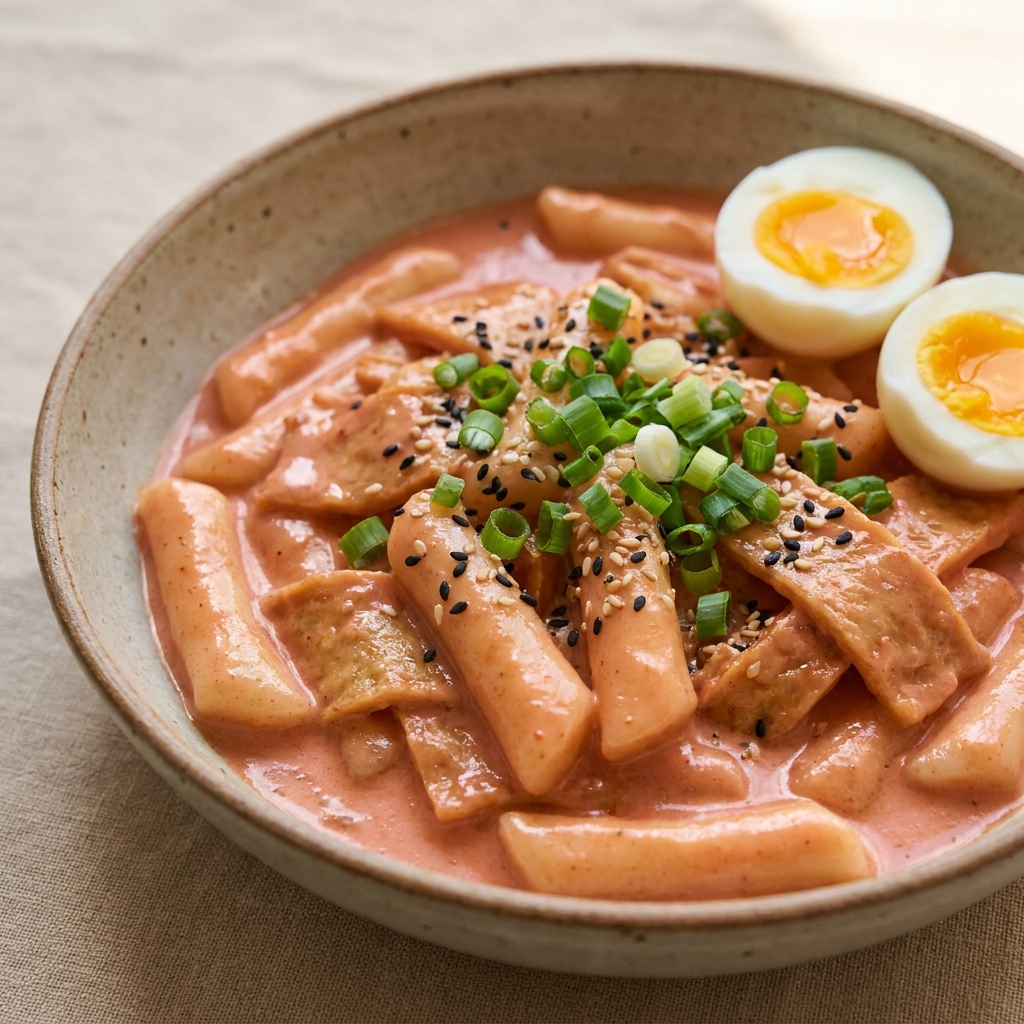
Table of Contents
Table of Contents
Why This Rose Tteokbokki Recipe Works
Rose tteokbokki recipe succeeds because it balances visual appeal with authentic Korean flavors that home cooks can actually recreate in their own kitchens. I’ve made this dish dozens of times, and the magic happens when you combine the richness of heavy cream with the umami depth of gochujang paste. The rose-colored sauce comes naturally from this combination, creating that signature Instagram-worthy presentation without artificial coloring or complicated techniques.
The texture of rose tteokbokki is what makes it truly special compared to regular tteokbokki. The rice cakes become incredibly tender and slightly chewy while absorbing the creamy sauce, creating the perfect bite every single time. When you make rose tteokbokki recipe at home, you can control the spice level to suit your preferences, whether you prefer something mild or intensely spicy.
This rose tteokbokki recipe offers incredible versatility for ingredient substitutions and additions. You can add vegetables, proteins, or even cheese to customize it to your liking. The sauce coats every component beautifully, making rose tteokbokki recipe ideal for meal prep or feeding a group of people with varying tastes.
Home cooks love this rose tteokbokki recipe because it comes together in under 40 minutes but tastes like you spent hours preparing it. The combination of textures from soft rice cakes, tender fish cakes, and the creamy sauce creates an incredibly satisfying eating experience. Once you master the basic rose tteokbokki recipe, you’ll find yourself making it regularly for family dinners and special occasions.
Rose Tteokbokki Ingredients
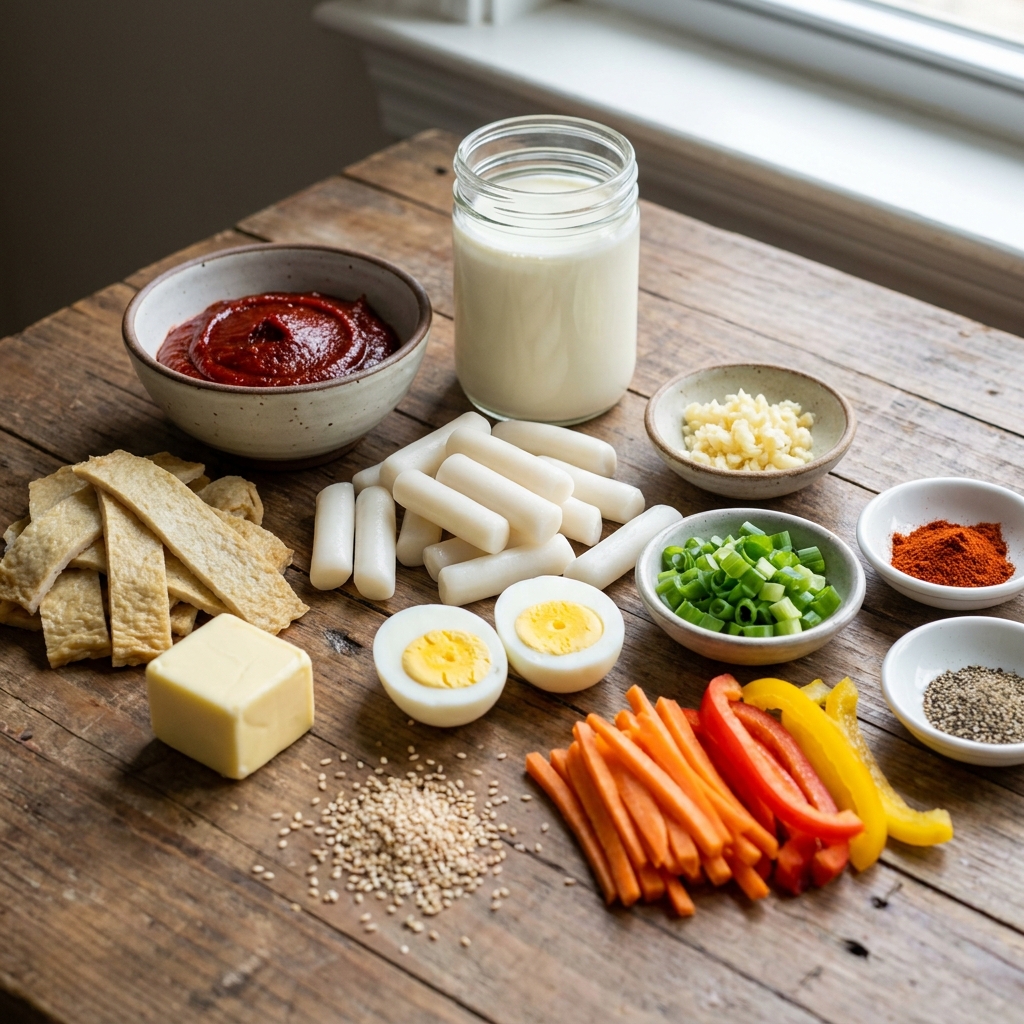
The right ingredients are essential for making authentic rose tteokbokki that tastes restaurant-quality and looks absolutely gorgeous on the plate. Below is a detailed ingredient list for rose tteokbokki recipe with helpful notes about sourcing and alternatives.
| Ingredient | Quantity | Notes with Alternatives |
|---|---|---|
| Tteok (Korean rice cakes) | 300g (10.5 oz) | Use cylindrical or oval-shaped tteok for best results. Fresh tteok is ideal; frozen works if thawed. Essential for rose tteokbokki recipe. |
| Gochujang (Korean red chili paste) | 3 tablespoons | High-quality gochujang creates the best color and flavor for rose tteokbokki recipe. Look for brands with few additives. |
| Heavy cream | 1 cup (240 ml) | Full-fat cream creates the pink color and creamy texture. Non-dairy alternatives work but affect the final appearance of rose tteokbokki recipe. |
| Fish cakes (eomuk) | 150g (5.3 oz) | Thinly sliced Korean fish cakes. Substitute with vegetable cakes or tofu for vegetarian rose tteokbokki recipe. |
| Vegetable broth | 1 cup (240 ml) | Use low-sodium broth to control the saltiness of rose tteokbokki recipe. Chicken or seafood broth also work well. |
| Butter | 2 tablespoons | Adds richness to the rose tteokbokki recipe. Use unsalted butter for better flavor control. |
| Garlic, minced | 3 cloves | Fresh garlic enhances the savory depth of rose tteokbokki recipe. Substitute with 1 teaspoon garlic powder if needed. |
| Sugar | 1 tablespoon | Balances the spiciness and saltiness of rose tteokbokki recipe. Adjust to taste. |
| Sesame seeds | 1 tablespoon | Adds nuttiness and visual appeal. Toast before sprinkling on rose tteokbokki recipe for enhanced flavor. |
| Green onions | 2 stalks, sliced | Fresh garnish that adds brightness. Traditional garnish for rose tteokbokki recipe. |
| Boiled eggs | 2 eggs | Halved for serving. Optional but recommended for rose tteokbokki recipe presentation. |
| Salt and black pepper | To taste | Season the rose tteokbokki recipe carefully as gochujang and broth already contain salt. |
| Optional: Mozzarella cheese | 50g (1.8 oz) | Shredded mozzarella creates a cheesy variation of rose tteokbokki recipe. Melt it into the sauce just before serving. |
How to Make Rose Tteokbokki
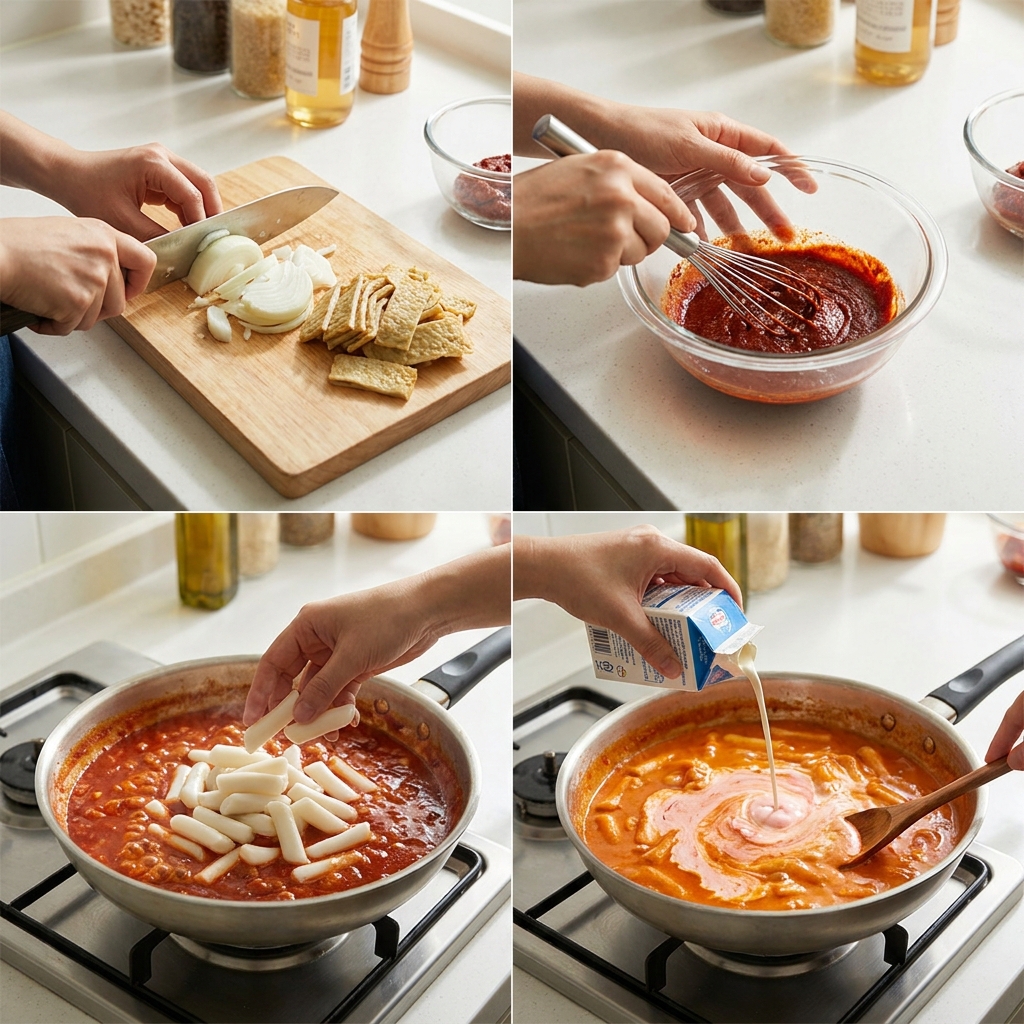
Making rose tteokbokki recipe at home requires careful attention to technique and timing to achieve the perfect creamy sauce and tender rice cakes. Follow these step-by-step instructions to create restaurant-quality rose tteokbokki recipe in your own kitchen.
Preparation Phase
- Soak the dried tteok in warm water for 5 minutes to soften, then drain completely before cooking rose tteokbokki recipe.
- Slice the fish cakes into thin rectangular pieces approximately 2 inches long for even cooking in your rose tteokbokki recipe.
- Mince the garlic cloves finely to ensure even distribution of flavor throughout the rose tteokbokki recipe sauce.
- Slice the green onions into 1-inch pieces, keeping white and green parts separate for the rose tteokbokki recipe.
- Boil eggs for 6-7 minutes, then cool in ice water before peeling and halving for your rose tteokbokki recipe.
Sauce Creation Phase
- Melt butter in a large skillet over medium heat, then add minced garlic and cook for 1 minute until fragrant for your rose tteokbokki recipe.
- Add gochujang paste to the butter and garlic, stirring constantly for 2 minutes to bloom the spice and develop flavor in the rose tteokbokki recipe sauce.
- Pour vegetable broth slowly into the gochujang mixture while stirring to create a smooth, lump-free sauce for rose tteokbokki recipe.
- Add sugar to the broth mixture and stir well to balance the flavors of your rose tteokbokki recipe sauce.
- Bring the mixture to a gentle simmer, then reduce heat to medium-low and let it simmer for 3 minutes while preparing other components of rose tteokbokki recipe.
Assembly and Cooking Phase
- Add the drained tteok to the simmering sauce, stirring gently to coat every rice cake evenly in your rose tteokbokki recipe.
- Add fish cake slices to the rose tteokbokki recipe, stirring occasionally to ensure even cooking for about 3 minutes.
- Pour heavy cream into the rose tteokbokki recipe sauce slowly while stirring constantly to achieve the signature pink color.
- Continue stirring the rose tteokbokki recipe for 2-3 minutes until the sauce turns a beautiful rose pink and coats the rice cakes smoothly.
- Add the white parts of green onions to the rose tteokbokki recipe and cook for an additional minute to soften slightly.
- Taste the rose tteokbokki recipe and adjust seasoning with salt and black pepper according to your preferences.
- Transfer the rose tteokbokki recipe to serving bowls and top with boiled egg halves, sesame seeds, and green onion greens.
Chef Tips for Perfect Rose Tteokbokki
These professional techniques will help you create perfect rose tteokbokki recipe every single time you make this beautiful Korean dish.
- Bloom your gochujang paste in butter for a full 2 minutes to release the deep, complex flavors that make rose tteokbokki recipe taste authentic and rich. This step is crucial for proper color and flavor development in rose tteokbokki recipe.
- Add heavy cream slowly to the hot sauce while stirring constantly to prevent curdling and ensure a silky, creamy texture for your rose tteokbokki recipe. Cold cream added too quickly can separate and ruin the sauce.
- Use freshly boiled tteok if possible, as fresh rice cakes absorb the sauce better than frozen ones and create superior texture in rose tteokbokki recipe. If using frozen tteok, ensure they’re completely thawed before adding to rose tteokbokki recipe.
- Maintain a gentle simmer throughout cooking rose tteokbokki recipe to prevent the rice cakes from becoming mushy or the sauce from breaking. Too high heat will result in unevenly cooked tteok and separated cream.
- Taste and adjust seasonings at the very end of rose tteokbokki recipe preparation since the sauce reduces and concentrates flavors as it simmers. Salt can always be added, but it cannot be removed.
- For a thicker sauce in your rose tteokbokki recipe, use less broth or simmer longer to reduce. For a thinner sauce, add more cream or broth gradually while stirring.
Common Rose Tteokbokki Mistakes to Avoid
Learning from common mistakes helps you create perfect rose tteokbokki recipe consistently and build confidence in the kitchen.
Mistake 1: Adding Cream Too Quickly This happens because cooks rush through the sauce-making process without understanding cream chemistry. When cold cream meets extremely hot gochujang sauce, it can separate and create a grainy texture that ruins rose tteokbokki recipe. Fix this by adding cream slowly while stirring constantly, allowing it to warm gradually and emulsify properly into your rose tteokbokki recipe.
Mistake 2: Using Poor-Quality Gochujang Low-quality gochujang contains additives and lacks the deep flavor needed for authentic rose tteokbokki recipe. The color may also be too bright or artificial-looking. Purchase gochujang from reputable Asian markets and check the ingredient list for rose tteokbokki recipe authenticity. Better gochujang creates noticeably better rose tteokbokki recipe.
Mistake 3: Cooking Rice Cakes Too Long Overcooked tteok becomes mushy and loses the chewy texture that makes rose tteokbokki recipe satisfying. This happens when cooks forget to adjust cooking time based on whether they’re using fresh or frozen tteok. Add tteok to rose tteokbokki recipe only 4-5 minutes before serving to maintain proper texture.
Mistake 4: Skipping the Garlic Blooming Step Raw garlic in rose tteokbokki recipe creates a harsh, sharp bite instead of mellow sweetness. Some cooks add garlic directly to the liquid, which prevents it from developing flavor. Always sauté garlic in butter for 1-2 minutes before adding other ingredients to rose tteokbokki recipe.
Mistake 5: Not Balancing Sweet and Spicy Rose tteokbokki recipe should have balanced flavors where spiciness complements rather than overwhelms sweetness. Forgetting to add sugar creates one-dimensional spiciness that doesn’t showcase rose tteokbokki recipe properly. Taste and adjust sugar carefully in rose tteokbokki recipe.
Best Rose Tteokbokki Variations and Substitutions
Once you master the basic rose tteokbokki recipe, these variations allow you to create exciting new versions that suit different tastes, dietary restrictions, and ingredient availability.
| Ingredient | Substitution | Impact on Flavor |
|---|---|---|
| Heavy cream | Coconut milk or cashew cream | Creates a sweeter, tropical variation of rose tteokbokki recipe with deeper color and different creaminess level. |
| Fish cakes | Sliced mushrooms, tofu, or vegetables | Produces vegetarian rose tteokbokki recipe with different texture and more umami from mushrooms. |
| Gochujang | Doenjang (soybean paste) or miso paste | Results in less spicy, more savory rose tteokbokki recipe with earthier flavor profile. |
| Vegetable broth | Mushroom or kelp broth | Intensifies umami depth in rose tteokbokki recipe for more complex savory notes. |
| Mozzarella cheese | Cream cheese or ricotta | Creates different cheese-rose tteokbokki recipe variations with unique textures and flavor profiles. |
| Sugar | Honey or maple syrup | Adds floral or caramel notes to rose tteokbokki recipe for more complex sweetness. |
You can also create spicy rose tteokbokki recipe by increasing gochujang to 4 tablespoons, or mild rose tteokbokki recipe by reducing it to 2 tablespoons. For cheesy rose tteokbokki recipe, melt 100g mozzarella into the sauce just before serving. Some cooks make creamy rose tteokbokki recipe with seafood by adding shrimp or squid. The basic rose tteokbokki recipe framework accommodates countless creative variations.
Serving Suggestions for Rose Tteokbokki
Rose tteokbokki recipe shines when served thoughtfully with complementary side dishes and beverages that enhance the overall eating experience.
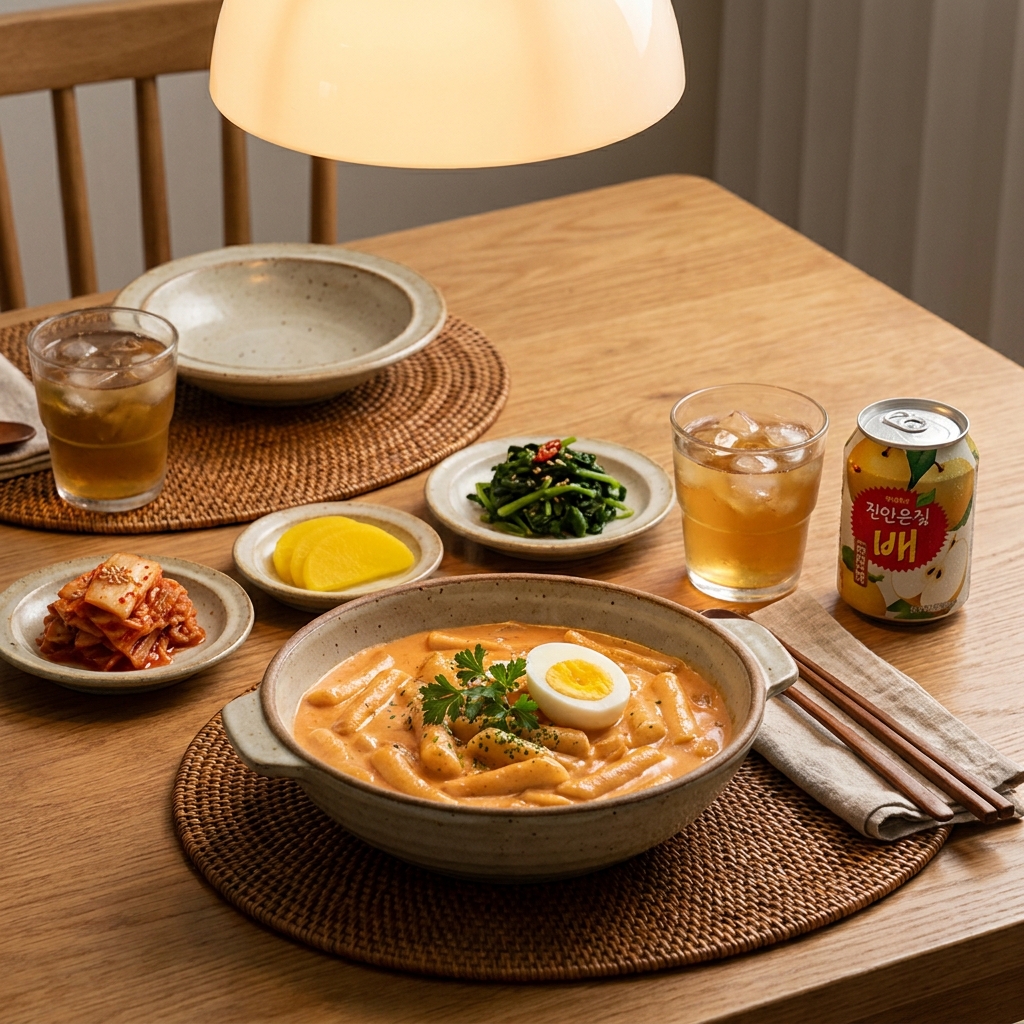
Serve rose tteokbokki recipe immediately after cooking while the sauce is creamy and the tteok is perfectly tender. Pair your rose tteokbokki recipe with traditional Korean side dishes including fresh pickled radish (danmuji), cucumber slices, or kimchi for contrasting flavors. The acidity and crunch of these sides complement the creamy rose tteokbokki recipe beautifully.
For beverage pairings with rose tteokbokki recipe, consider serving cold barley tea, ginger ale, or sparkling water to balance the richness of the cream sauce. The coolness and slight carbonation refresh the palate between bites of rose tteokbokki recipe. Iced yuzu juice also pairs wonderfully with rose tteokbokki recipe.
Create a complete meal around rose tteokbokki recipe by adding a light protein like grilled fish or seasoned tofu. Serve rose tteokbokki recipe alongside steamed rice for those who want to extend the meal. For entertaining, make rose tteokbokki recipe as an appetizer at Korean-themed dinner parties or meal prep several portions for weeknight dinners.
During special occasions, present rose tteokbokki recipe in individual ceramic bowls garnished elegantly with perfectly halved eggs and fresh herbs. Rose tteokbokki recipe works beautifully for lunch gatherings, casual family dinners, or impressive date night meals. The visual appeal of rose tteokbokki recipe makes it ideal for food photography and social media sharing.
Storage and Reheating for Rose Tteokbokki
Proper storage and reheating techniques ensure your rose tteokbokki recipe stays delicious and maintains its creamy texture for several days after cooking.
| Method | Duration | Instructions |
|---|---|---|
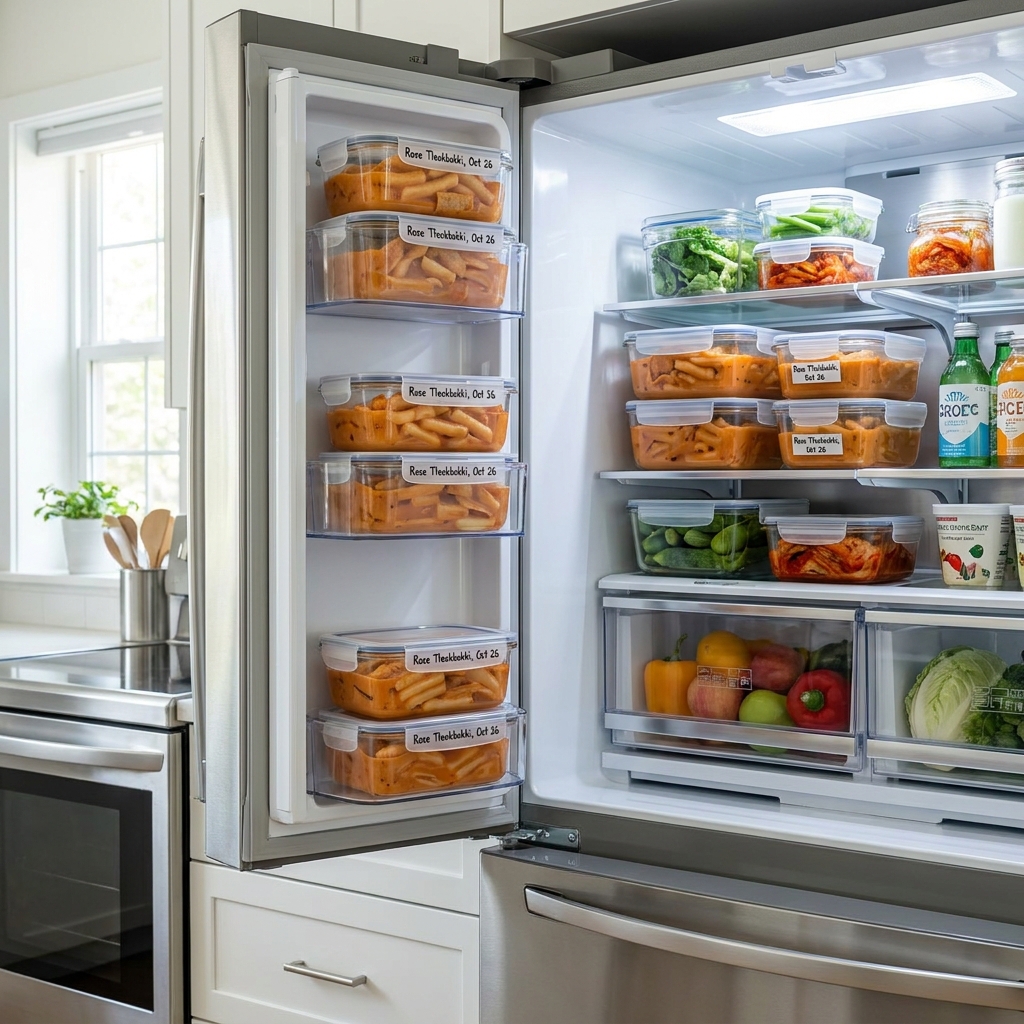
| Refrigerator Storage | 3-4 days | Transfer cooled rose tteokbokki recipe to an airtight container. The sauce will thicken as it cools, which is normal for rose tteokbokki recipe. Separate rice cakes from sauce if possible for rose tteokbokki recipe to prevent mushiness. |
| Freezer Storage | 2-3 months | Store rose tteokbokki recipe in freezer-safe containers with the sauce. Leave 1 inch of headspace for rose tteokbokki recipe expansion. Label with date for easy identification of your rose tteokbokki recipe batch. |
| Stovetop Reheating | 5-7 minutes | Place refrigerated rose tteokbokki recipe in a skillet over medium heat. Add 2-3 tablespoons of cream or broth to thin the sauce for rose tteokbokki recipe. Stir gently and heat until steaming. Frozen rose tteokbokki recipe requires 8-10 minutes from frozen. |
| Microwave Reheating | 2-3 minutes | Transfer rose tteokbokki recipe to a microwave-safe bowl. Add 1-2 tablespoons of cream to prevent sauce from drying out. Cover loosely and microwave on 50% power, stirring halfway through. Rose tteokbokki recipe may appear watery initially but will thicken as it cools slightly. |
| Make-Ahead Preparation | Up to 24 hours | Prepare the rose tteokbokki recipe sauce and store separately from rice cakes in rose tteokbokki recipe containers. Combine and cook tteok just before serving rose tteokbokki recipe for best texture. |
When reheating rose tteokbokki recipe, add a splash of fresh cream or broth if the sauce appears too thick, as it concentrates during storage. Never refreeze thawed rose tteokbokki recipe for food safety reasons. Reheat only the portion of rose tteokbokki recipe you plan to eat to preserve quality in remaining servings.
Nutritional Information for Rose Tteokbokki
Understanding the nutritional content of rose tteokbokki recipe helps you plan balanced meals and make informed dietary choices when preparing this delicious Korean dish.
| Nutrient | Amount per Serving (1 serving = 1/2 of recipe) |
|---|---|
| Calories | 420 calories |
| Protein | 12g |
| Total Fat | 18g |
| Saturated Fat | 11g |
| Carbohydrates | 52g |
| Dietary Fiber | 2g |
| Sugars | 8g |
| Sodium | 850mg |
These are approximate nutritional values for rose tteokbokki recipe based on standard ingredients. Values may vary depending on specific brands used and portion sizes. Rose tteokbokki recipe is best enjoyed as an occasional indulgence due to its cream content, though it provides good protein from fish cakes and carbohydrates from rice cakes.
Frequently Asked Questions About Rose Tteokbokki
Can I make rose tteokbokki recipe without fish cakes?
Yes, absolutely. Vegetarian rose tteokbokki recipe works beautifully with mushrooms, tofu, or additional vegetables like broccoli and carrots. The sauce remains creamy and flavorful without fish cakes, though you’ll lose some traditional umami depth. Mushrooms add excellent umami to vegetarian rose tteokbokki recipe as a substitute.
How do I know when my rose tteokbokki recipe is done cooking?
Your rose tteokbokki recipe is finished when the rice cakes are tender and chewy, not mushy or hard, and the sauce is creamy and coats the ingredients evenly. The total cooking time should be approximately 15-20 minutes for rose tteokbokki recipe. The sauce should look pink and velvety, not separated or watery.
Why is my rose tteokbokki recipe sauce separated or curdled?
This happens when cream is added to sauce that’s too hot without proper stirring, causing the fat in rose tteokbokki recipe to separate. Always add cream slowly while stirring constantly, and keep the heat at medium rather than high for rose tteokbokki recipe. If separation occurs, whisk vigorously while adding more cream gradually to re-emulsify the sauce.
Can I make rose tteokbokki recipe ahead of time?
Yes, you can prepare the sauce for rose tteokbokki recipe up to 2 days in advance and store it in the refrigerator. Cook the rice cakes and combine with sauce just before serving rose tteokbokki recipe to prevent them from becoming overly soft. Cooked rose tteokbokki recipe keeps for 3-4 days refrigerated in an airtight container.
Is rose tteokbokki recipe supposed to taste spicy or creamy?
Rose tteokbokki recipe should taste creamy with a moderate spice level that’s balanced by sweetness and saltiness. The cream mellows the gochujang heat into a pleasant warmth rather than intense spiciness in rose tteokbokki recipe. If your rose tteokbokki recipe tastes too spicy, add more cream; if not spicy enough, add extra gochujang.
How do I store leftover rose tteokbokki recipe?
Store leftover rose tteokbokki recipe in an airtight container in the refrigerator for up to 4 days. For longer storage, freeze rose tteokbokki recipe in freezer-safe containers for up to 3 months. Separate sauce from rice cakes in rose tteokbokki recipe if possible to prevent mushiness during storage.
Can I reheat rose tteokbokki recipe in the microwave?
Yes, microwave reheating works for rose tteokbokki recipe. Transfer it to a microwave-safe bowl and add 1-2 tablespoons of cream to prevent drying. Heat on 50% power for 2-3 minutes, stirring halfway through rose tteokbokki recipe. Stovetop reheating produces better texture and creamier sauce for rose tteokbokki recipe.
What can I serve with rose tteokbokki recipe?
Serve rose tteokbokki recipe with steamed rice, kimchi, pickled radish, and fresh vegetable side dishes. Cold barley tea or ginger ale pairs perfectly with rose tteokbokki recipe. For a complete meal, add grilled fish, seasoned tofu, or fresh salad alongside rose tteokbokki recipe.
Is there a vegetarian version of rose tteokbokki recipe?
Absolutely. Replace fish cakes with mushrooms, tofu, or vegetables like bell peppers and broccoli for vegetarian rose tteokbokki recipe. Use vegetable broth instead of seafood broth in rose tteokbokki recipe. The sauce remains delicious and creamy in vegetarian rose tteokbokki recipe.
How spicy should rose tteokbokki recipe be?
Traditional rose tteokbokki recipe has mild to moderate spiciness that’s balanced by cream and sweetness. Use 3 tablespoons gochujang for standard rose tteokbokki recipe, 2 tablespoons for mild rose tteokbokki recipe, or 4 tablespoons for spicy rose tteokbokki recipe. Always taste and adjust seasonings in rose tteokbokki recipe to your preference.
Conclusion
Rose tteokbokki recipe represents the perfect fusion of traditional Korean street food comfort and modern creative cooking techniques. This stunning dish combines creamy pink sauce with soft, chewy rice cakes and tender fish cakes to create an unforgettable dining experience that’s surprisingly simple to execute at home. Whether you’re preparing rose tteokbokki recipe for a special dinner party, casual weeknight meal, or impressive date night, this recipe delivers restaurant-quality results every single time. The balance of sweet, spicy, and creamy flavors in rose tteokbokki recipe creates endless satisfaction, while the visual beauty makes it Instagram-worthy from the first bite. Once you discover how easy it is to make rose tteokbokki recipe in your own kitchen, you’ll find yourself returning to this beloved dish again and again for its unmatched combination of beautiful presentation and absolutely delicious taste.
Related Recipes You’ll Love
baking soda trick recipe for Weight Loss
Eggplant parmesan soup recipe
Whipped beef tallow recipe
Miso cabbage steaks
Protein Dill Pickle Dip
Savory Greek yogurt dip
Hot honey cottage cheese sweet potato beef bowl
Expert Resources and Food Safety
For reliable nutritional information, consult USDA Nutrition Database. For food safety guidelines, reference FDA Food Safety Resources.
Print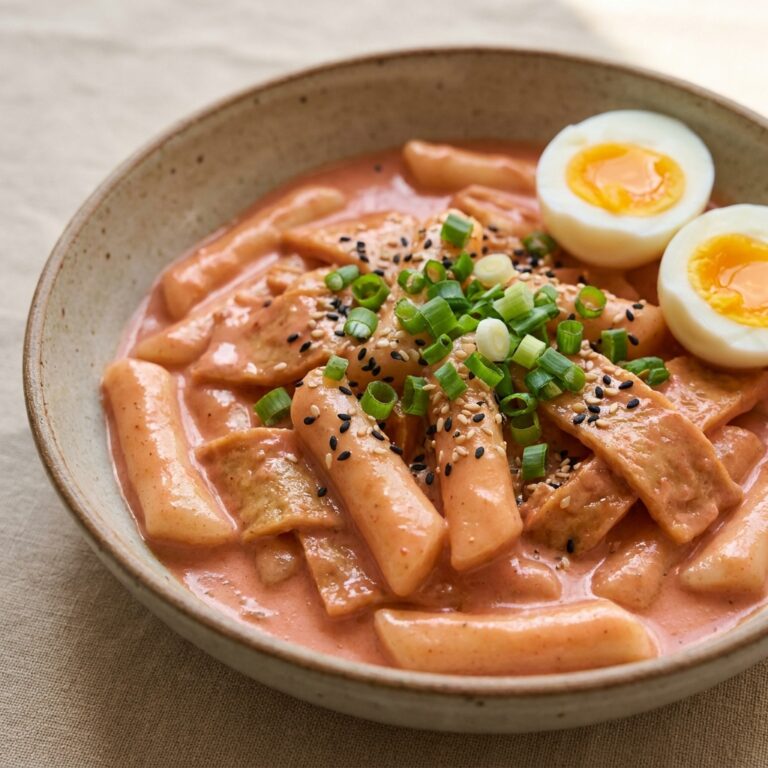
Viral Rose Tteokbokki Recipe 2026
Rose tteokbokki is a stunning Korean street food that combines soft, chewy rice cakes with a creamy, mildly spicy pink sauce made from gochujang, butter, broth, and fresh cream for a beautiful modern comfort dish.
- Total Time: 35 minutes
- Yield: 2–3 servings 1x
Ingredients
- 300g tteok, Korean rice cakes
- 3 tablespoons gochujang, Korean red chili paste
- 1 cup heavy cream, 240 ml
- 150g fish cakes, thinly sliced
- 1 cup vegetable broth, 240 ml
- 2 tablespoons butter
- 3 garlic cloves, minced
- 1 tablespoon sugar
- 1 tablespoon sesame seeds
- 2 green onions, sliced
- 2 boiled eggs, halved
- Salt and black pepper, to taste
- 50g shredded mozzarella cheese, optional
Instructions
- Soak dried tteok in warm water for 5 minutes, then drain completely.
- Slice the fish cakes into thin rectangular pieces about 2 inches long.
- Mince the garlic cloves finely.
- Slice the green onions into 1-inch pieces, keeping the white and green parts separate.
- Boil the eggs for 6-7 minutes, then cool in ice water, peel, and halve.
- Melt the butter in a large skillet over medium heat.
- Add the minced garlic and cook for 1 minute until fragrant.
- Add the gochujang paste and stir constantly for 2 minutes to bloom the spice.
- Pour in the vegetable broth slowly while stirring to create a smooth sauce.
- Add the sugar and stir well.
- Bring the mixture to a gentle simmer.
- Reduce the heat to medium-low and simmer for 3 minutes.
- Add the drained tteok and stir gently to coat every rice cake in the sauce.
- Add the sliced fish cakes and cook for about 3 minutes, stirring occasionally.
- Pour in the heavy cream slowly while stirring constantly.
- Continue stirring for 2-3 minutes until the sauce turns rose pink and coats the rice cakes smoothly.
- Add the white parts of the green onions and cook for 1 minute.
- Taste and adjust with salt and black pepper as needed.
- Add mozzarella cheese if using and stir until melted.
- Transfer to serving bowls.
- Top with boiled egg halves, sesame seeds, and green onion greens.
- Serve immediately while creamy and hot.
Notes
Add the heavy cream slowly while stirring constantly to prevent the sauce from separating. Keep the sauce at a gentle simmer instead of high heat so the rice cakes stay chewy and the cream remains smooth. Adjust the gochujang to make the rose tteokbokki milder or spicier.
- Prep Time: 15 minutes
- Cook Time: 20 minutes
- Category: Main Dish
- Method: Stovetop
- Cuisine: Korean
Nutrition
- Serving Size: 1 serving
- Calories: 420
- Sugar: 8g
- Sodium: 850mg
- Fat: 18g
- Saturated Fat: 11g
- Unsaturated Fat: 7g
- Trans Fat: 0g
- Carbohydrates: 52g
- Fiber: 2g
- Protein: 12g
- Cholesterol: 120mg