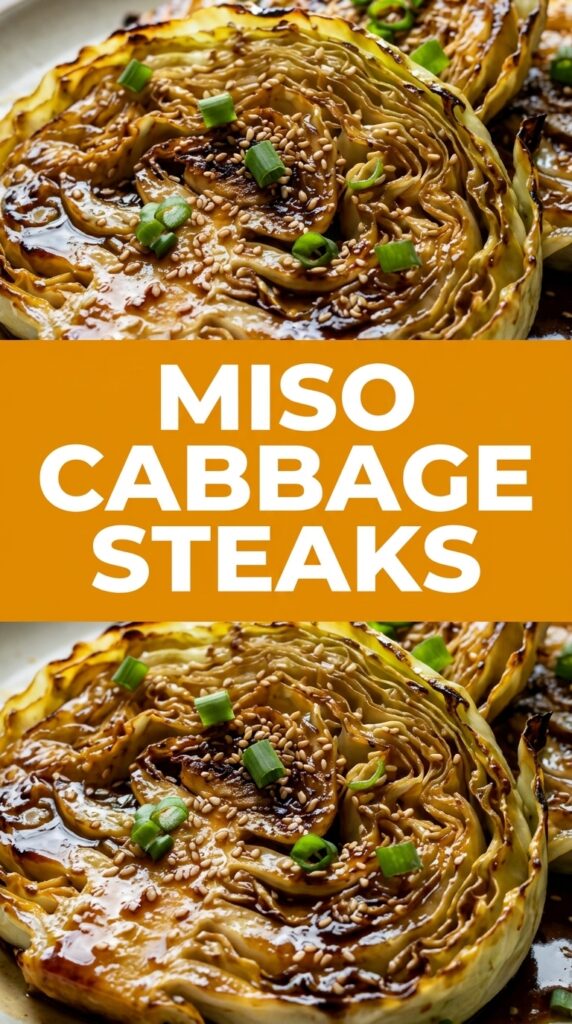
Miso cabbage steaks are thick-cut slices of cabbage roasted until tender and caramelized, then brushed with a savory miso glaze that transforms this humble vegetable into something restaurant-quality. These miso cabbage steaks deliver deep umami flavors, crispy edges, and a naturally sweet interior that makes them irresistible as a side dish or light main course. The combination of fermented miso paste with roasted cabbage creates layers of complexity that keep people coming back for seconds. This miso cabbage steaks recipe works equally well for weeknight dinners, meal prep sessions, and impressive dinner parties. Whether you’re seeking a plant-based option or looking to expand your vegetable repertoire, miso cabbage steaks offer an elegant solution that requires minimal effort but delivers maximum flavor.
| Prep Time | Cook Time | Total Time | Servings | Difficulty | Cuisine |
|---|---|---|---|---|---|
| 15 minutes | 30 minutes | 45 minutes | 4 servings | Easy | Japanese-Inspired |
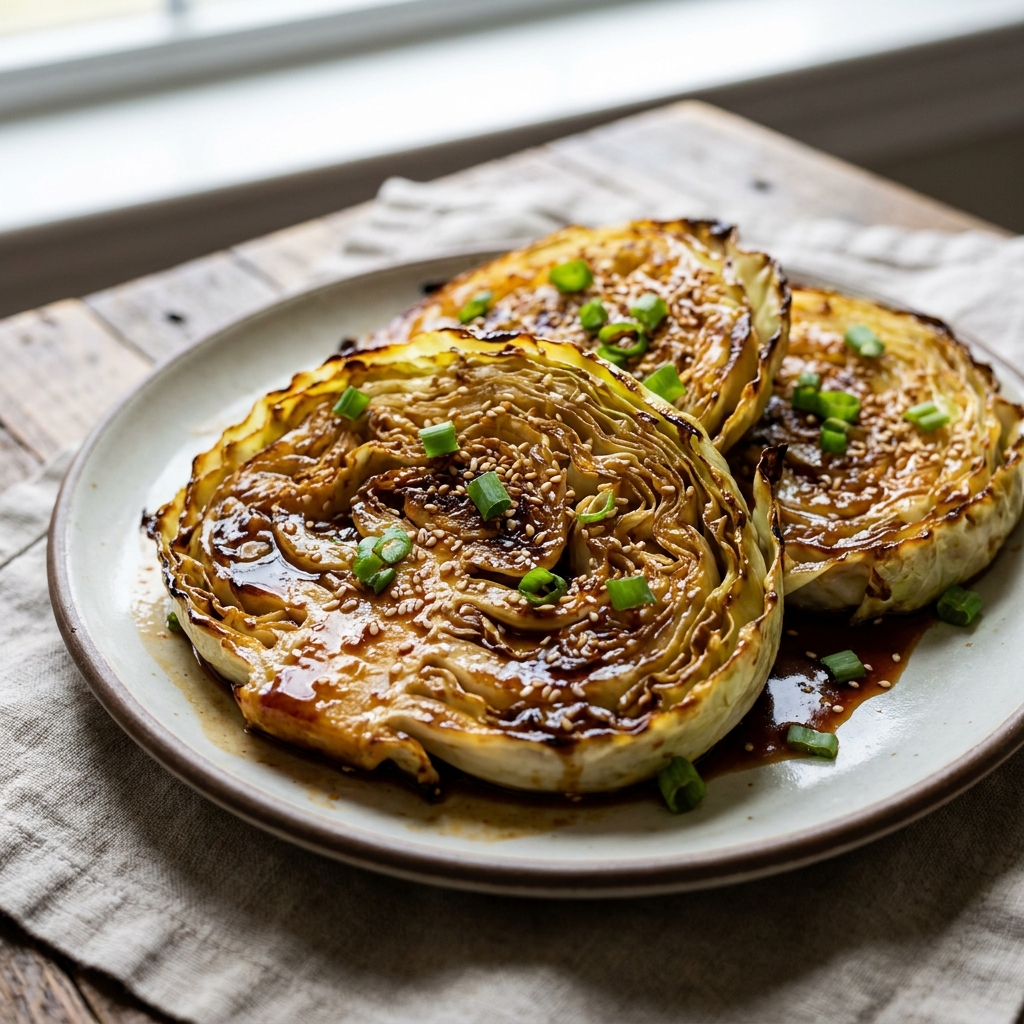
Table of Contents
Table of Contents
Why Miso Cabbage Steaks Works
Miso cabbage steaks work because they combine the natural sweetness of roasted cabbage with the rich, fermented umami of miso paste, creating a flavor profile that satisfies even the most discerning palates. The high heat in the oven caramelizes the cut surfaces of the cabbage, developing complex flavors through the Maillard reaction. I’ve found that miso cabbage steaks appeal to both experienced cooks and beginners because the preparation requires no special techniques—just slicing, glazing, and roasting. The textural contrast between crispy, caramelized edges and tender, juicy interiors makes every bite interesting and satisfying.
The beauty of miso cabbage steaks lies in their versatility and reliability. Every time you make them, you’ll achieve consistent, impressive results with minimal hands-on time. Miso cabbage steaks work as a vegetable side dish, a plant-based main course, or even a component in grain bowls and salad applications. The miso glaze adds depth without heaviness, making this recipe suitable for light dinners and hearty meals alike. These miso cabbage steaks remain my go-to recipe when I need something that looks elegant but comes together quickly.
Home cooks love miso cabbage steaks because they challenge the assumption that cabbage is boring. The fermented miso brings a savory-sweet dimension that elevates the humble cruciferous vegetable into something special. You’ll discover that miso cabbage steaks can convert even cabbage skeptics at your dinner table. The recipe proves that simple ingredients, when combined thoughtfully, create restaurant-quality dishes that make you feel like an accomplished cook.
Beyond flavor and texture, miso cabbage steaks offer genuine nutritional benefits. Cabbage provides glucosinolates and other beneficial compounds, while miso adds probiotics and amino acids from its fermentation process. These miso cabbage steaks deliver satisfaction without excess calories or fat, making them an ideal choice for health-conscious home cooks. The combination creates a dish that tastes indulgent while actually supporting your wellness goals.
Miso Cabbage Steaks Ingredients
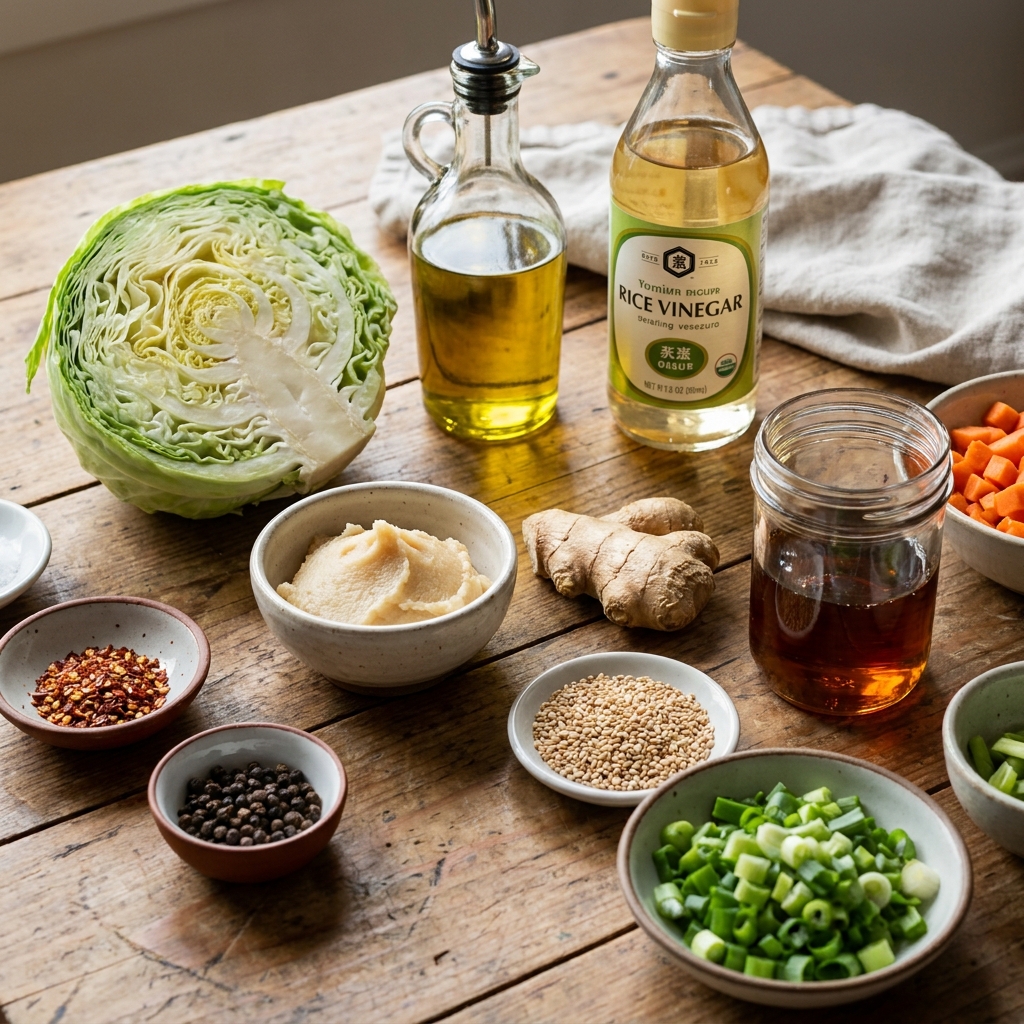
These miso cabbage steaks require just seven simple ingredients that you likely already have in your pantry, with the miso paste being the star player that defines the entire dish.
| Ingredient | Quantity | Notes with Alternatives |
|---|---|---|
| Green or napa cabbage | 1 large head (about 2 pounds) | Use either variety; napa cabbage creates thinner, more tender steaks while green cabbage offers firmer texture. Choose heads that feel heavy and compact. |
| White miso paste | 3 tablespoons | White miso is milder and sweeter than red miso. If unavailable, use red miso but reduce to 2 tablespoons as it’s more intense. Avoid dark miso for this recipe. |
| Olive oil | 3 tablespoons | Extra virgin olive oil adds depth, but regular olive oil works fine. Avocado oil is a suitable alternative with a higher smoke point. |
| Rice vinegar | 1 tablespoon | Rice vinegar provides gentle acidity. Substitute with white wine vinegar or apple cider vinegar, though rice vinegar’s mild flavor is ideal for miso cabbage steaks. |
| Maple syrup or honey | 1 tablespoon | Both work equally well; maple syrup offers subtle earthiness while honey adds floral notes to your miso cabbage steaks. Agave nectar is another option. |
| Fresh ginger, minced | 1 tablespoon | Fresh ginger is essential for brightness; do not substitute with ground ginger. Use a microplane for fine mincing that distributes evenly across miso cabbage steaks. |
| Sesame seeds and scallions | 2 tablespoons sesame seeds, 2 scallions, chopped | These garnishes add visual appeal and finishing texture. Black or white sesame seeds both work beautifully on miso cabbage steaks. |
The foundation of excellent miso cabbage steaks begins with quality miso paste and a fresh cabbage head that feels heavy for its size. Investing in authentic miso paste from the refrigerated section of your grocery store or Asian market ensures superior flavor compared to shelf-stable varieties. Each ingredient in this recipe for miso cabbage steaks plays a specific role: the miso brings umami depth, the maple syrup balances with subtle sweetness, fresh ginger adds brightness, and rice vinegar provides gentle acidity that prevents the glaze from becoming cloying.
How to Make Miso Cabbage Steaks
Making miso cabbage steaks is straightforward and requires only basic knife skills and kitchen tools, making this an ideal recipe for cooks of any experience level who want to create something impressive.
Preparation Phase
- Preheat your oven to 425°F and line a large baking sheet with parchment paper to prevent sticking and ensure easy cleanup of your miso cabbage steaks.
- Remove the outer leaves from your cabbage head and rinse it thoroughly under cool running water to remove any dirt or debris that might affect the finished miso cabbage steaks.
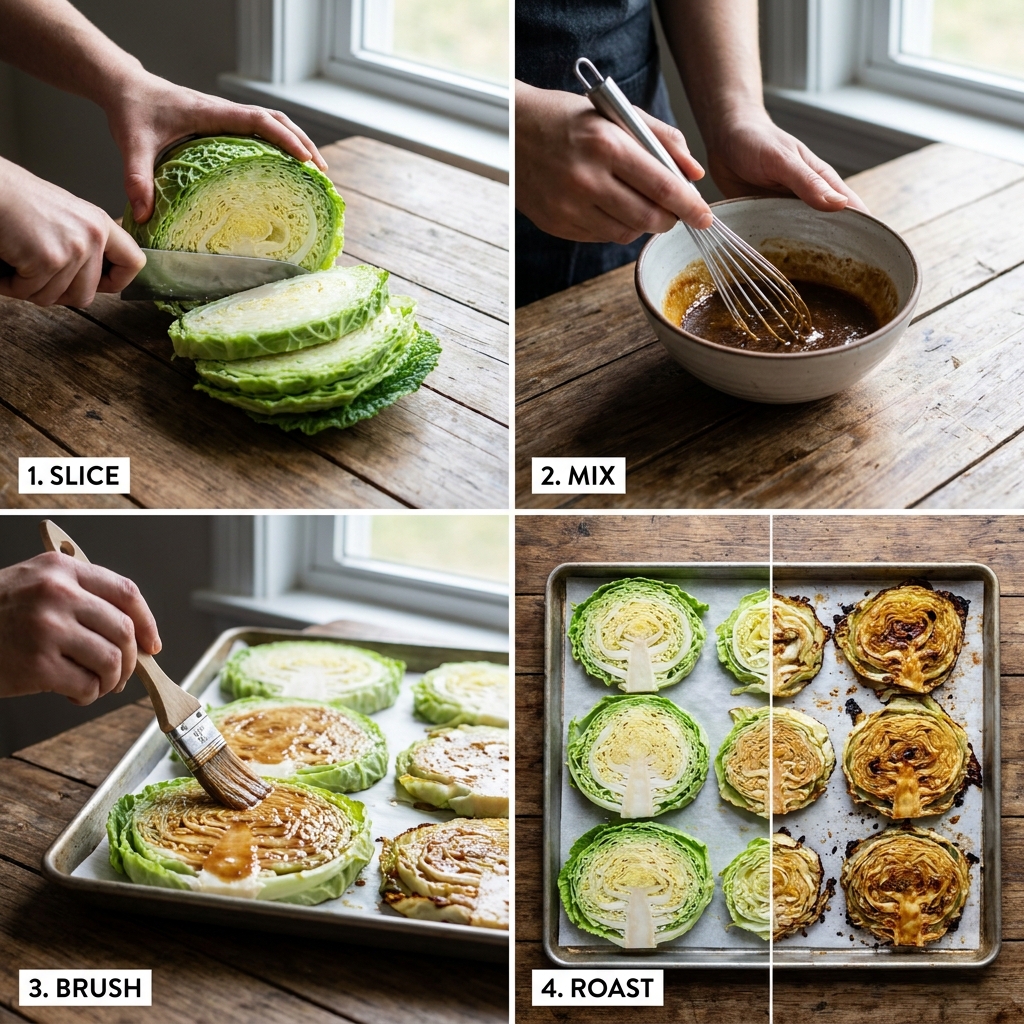
- Place the cabbage head cut-side down on a cutting board and carefully slice it into thick steaks approximately one and a half inches thick, keeping the core intact so each steak remains cohesive rather than falling apart into individual leaves.
- Arrange the cabbage steaks in a single layer on your prepared baking sheet, spacing them about one inch apart so heat circulates evenly around each miso cabbage steaks piece.
Glaze Creation Phase
- Combine the white miso paste, olive oil, rice vinegar, maple syrup, and minced fresh ginger in a small mixing bowl, whisking the ingredients together until they form a smooth, uniform glaze for your miso cabbage steaks.
- Taste the glaze and adjust the balance—add more miso if you want deeper umami, more maple syrup if you prefer additional sweetness, or more ginger if you’d like more brightness in your miso cabbage steaks glaze.
- Divide the glaze in half, reserving one portion for additional brushing halfway through cooking, which ensures miso cabbage steaks develop a glossy, well-caramelized exterior.
Roasting Phase
- Brush the top side of each cabbage steak generously with the prepared miso glaze, ensuring even coverage that will caramelize beautifully on your miso cabbage steaks during roasting.
- Place the baking sheet in your preheated oven and roast for fifteen minutes, allowing the exposed surface of your miso cabbage steaks to begin browning and developing caramelized edges.
- Remove the pan from the oven carefully, flip each cabbage steak, and brush the newly exposed side with the remaining miso glaze to ensure both sides of your miso cabbage steaks receive equal cooking and flavor.
- Return to the oven for an additional twelve to fifteen minutes, continuing to roast until the cabbage steaks are deeply browned on both sides and completely tender when pierced with a fork.
- Remove the miso cabbage steaks from the oven and transfer them to a serving platter, allowing them to cool for approximately two minutes before garnishing with toasted sesame seeds and chopped fresh scallions.
Chef Tips for Perfect Miso Cabbage Steaks
These professional techniques will elevate your miso cabbage steaks from good to exceptional, ensuring consistent, restaurant-quality results every time you prepare this dish.
- Use a sharp knife and a steady, downward cutting motion when slicing your cabbage into steaks; this minimizes bruising and creates clean surfaces that caramelize better during roasting, resulting in superior miso cabbage steaks texture and appearance.
- Leave the core partially intact when cutting miso cabbage steaks, as this natural “glue” holds the leaves together and prevents them from separating into individual leaves during the roasting process.
- Apply the miso glaze in thin, even layers rather than thick applications that might burn; two thin coatings of miso cabbage steaks glaze create better caramelization than one heavy coating.
- Position your oven rack in the upper-middle position before roasting miso cabbage steaks, which exposes the glaze to more direct heat and promotes deeper browning and caramelization across the surface.
- Don’t skip flipping the miso cabbage steaks halfway through cooking; this ensures both sides develop the desirable dark, caramelized crust while the interior remains tender and juicy.
- Test doneness by piercing your miso cabbage steaks with a fork—the fork should slide through easily with only slight resistance, indicating the cabbage is perfectly tender without being mushy or overdone.
Common Miso Cabbage Steaks Mistakes to Avoid
Understanding these common pitfalls will help you produce perfect miso cabbage steaks consistently while avoiding frustrating outcomes that can undermine your cooking confidence.
Slicing the cabbage too thin: When miso cabbage steaks slices are too thin, they collapse into individual leaves and become mushy rather than maintaining structural integrity. The one-and-a-half-inch thickness provides enough substance to hold together during roasting while becoming tender. If your slices fall apart, the miso cabbage steaks lose their distinctive presentation and appeal.
Using low oven temperatures: Attempting to make miso cabbage steaks at 375°F or lower prevents proper caramelization of the glaze and cabbage surfaces. The 425°F temperature is essential for developing the Maillard reaction that creates deep, complex flavors. Lower heat produces steamed cabbage rather than the roasted, caramelized miso cabbage steaks you’re seeking.
Crowding the baking sheet: Placing miso cabbage steaks too close together traps steam and prevents proper browning. Each steak needs at least one inch of space on all sides. Overcrowded miso cabbage steaks will steam rather than roast, resulting in pale, soft steaks without the appealing crust you want.
Forgetting to flip the miso cabbage steaks: Some home cooks skip the halfway flip, assuming one side gets enough heat. Both sides of miso cabbage steaks need direct oven exposure to develop proper caramelization. Unflipped miso cabbage steaks have one pale, undercooked side and one potentially overcooked side.
Using expired miso paste: Old miso paste loses vibrancy and depth of flavor, resulting in dull, one-dimensional miso cabbage steaks. Always check your miso’s expiration date and store it properly in the refrigerator. Fresh miso paste makes the difference between memorable and forgettable miso cabbage steaks.
Best Miso Cabbage Steaks Variations and Substitutions
These creative adaptations let you customize miso cabbage steaks to match your tastes, dietary needs, and available ingredients while maintaining the essential character of the dish.
| Ingredient | Substitution | Impact on Flavor |
|---|---|---|
| White miso paste | Red miso paste (use 2 tbsp instead of 3) | Creates deeper, more intense umami with slightly spicier notes; miso cabbage steaks become earthier and more complex but may overpower delicate palates. |
| Maple syrup | Agave nectar or brown sugar dissolved in water | Agave provides neutral sweetness, while brown sugar adds subtle molasses depth; miso cabbage steaks remain balanced but lose maple’s gentle earthiness. |
| Fresh ginger | Ginger paste or ground ginger (reduce to 1/2 tsp) | Ground ginger creates sharper spice notes; miso cabbage steaks lose fresh brightness but maintain warming qualities. |
| Rice vinegar | Apple cider vinegar or white wine vinegar | Apple cider vinegar adds slight tartness and apple notes; white wine vinegar brings floral acidity; miso cabbage steaks shift toward different flavor profiles while maintaining acidity balance. |
| Sesame seeds garnish | Crushed peanuts or chopped pistachios | Creates nutty, textural contrast instead of sesame’s subtle nuttiness; miso cabbage steaks gain heartier crunch and different flavor complexity. |
| Olive oil | Sesame oil (use 2 tbsp olive oil plus 1 tbsp sesame oil) | Adds distinctive Asian flavor; miso cabbage steaks become more authentically Japanese-inspired with nutty, toasted notes throughout. |
Creating variations on miso cabbage steaks lets you explore flavor combinations while respecting the core technique that makes this recipe successful. Vegan and gluten-free versions of miso cabbage steaks require no modifications since all ingredients in the basic recipe are naturally plant-based and gluten-free, making these miso cabbage steaks accessible to most diets. Try adding sriracha to your glaze for spicy miso cabbage steaks, or incorporate soy sauce for deeper savory notes while reducing miso slightly to prevent saltiness.
Serving Suggestions for Miso Cabbage Steaks
Miso cabbage steaks shine as a standalone dish but also integrate beautifully into complete meals when paired with complementary components that enhance rather than compete with the umami-forward flavor profile.
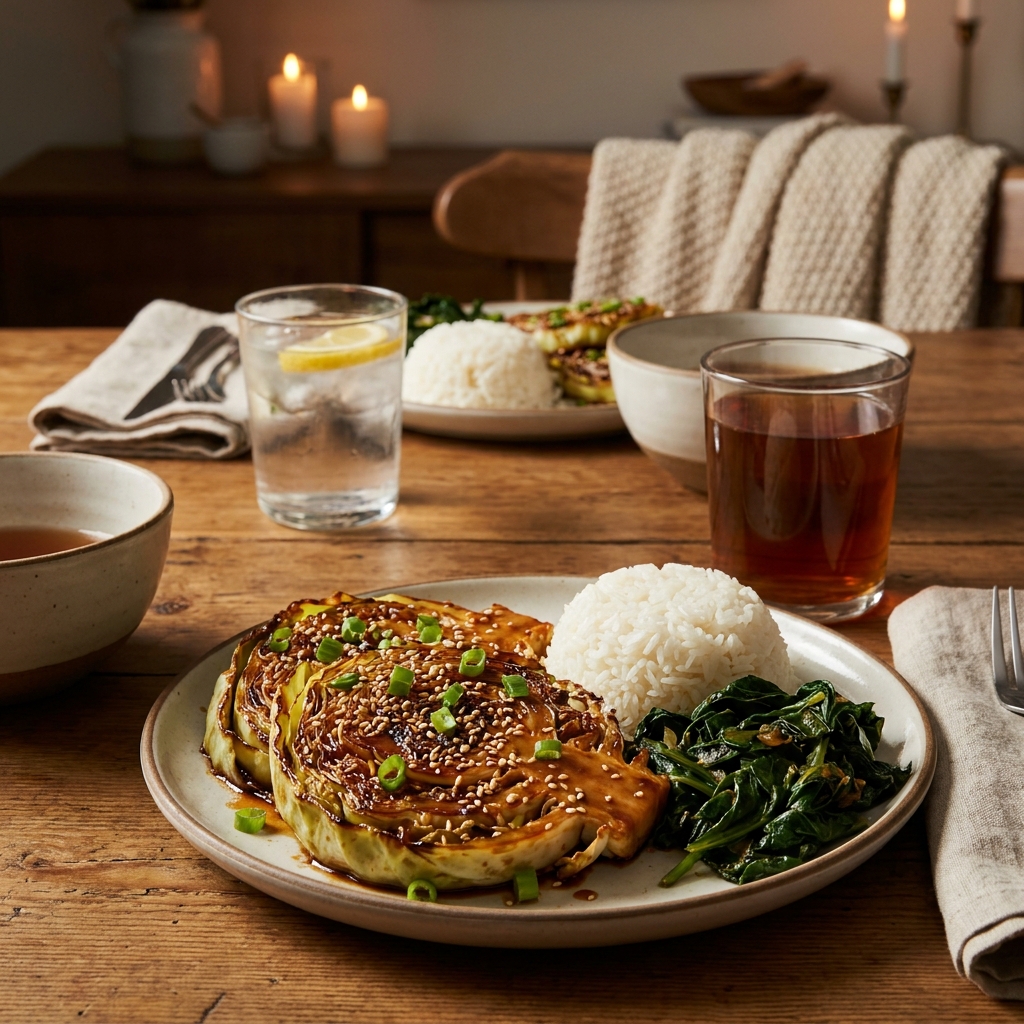
Serve miso cabbage steaks alongside fluffy jasmine or sushi rice, letting the creamy grains provide a neutral canvas that allows the glaze’s complex flavors to shine. This combination works perfectly for weeknight family dinners and creates a naturally vegetarian main course that satisfies everyone at the table. Add edamame and a simple cucumber salad alongside the miso cabbage steaks to create a complete Japanese-inspired meal with varied textures and temperatures.
For meal prep purposes, miso cabbage steaks pair exceptionally well with grain bowls featuring quinoa or farro, roasted beets, and a tahini dressing. Layer your meal prep containers with these components so the miso cabbage steaks glaze doesn’t oversaturate the grains, maintaining structural integrity throughout the week. These miso cabbage steaks components travel well and taste excellent whether enjoyed immediately or reheated.
Create an elegant dinner party presentation by serving miso cabbage steaks alongside roasted sweet potato wedges, sautéed greens, and a light miso-ginger sauce drizzled artfully across the plate. Your guests will be impressed by the sophisticated simplicity of these miso cabbage steaks, and you’ll enjoy the minimal fuss required behind the scenes. Pair miso cabbage steaks with light white wines or sake for an authentic Japanese dining experience.
For casual gatherings, serve miso cabbage steaks at room temperature alongside a cool noodle salad and fresh fruit for a refreshing, light meal perfect for warm weather entertaining. The miso cabbage steaks’ umami richness balances beautifully with bright, acidic noodle preparations. Consider offering these miso cabbage steaks as part of a vegetable-forward mezze-style spread alongside hummus, olives, and pita.
Storage and Reheating for Miso Cabbage Steaks
Proper storage techniques ensure your miso cabbage steaks maintain quality throughout the week while reheating methods preserve the texture and flavor you worked to develop during the initial roasting.
| Method | Duration | Instructions |
|---|---|---|
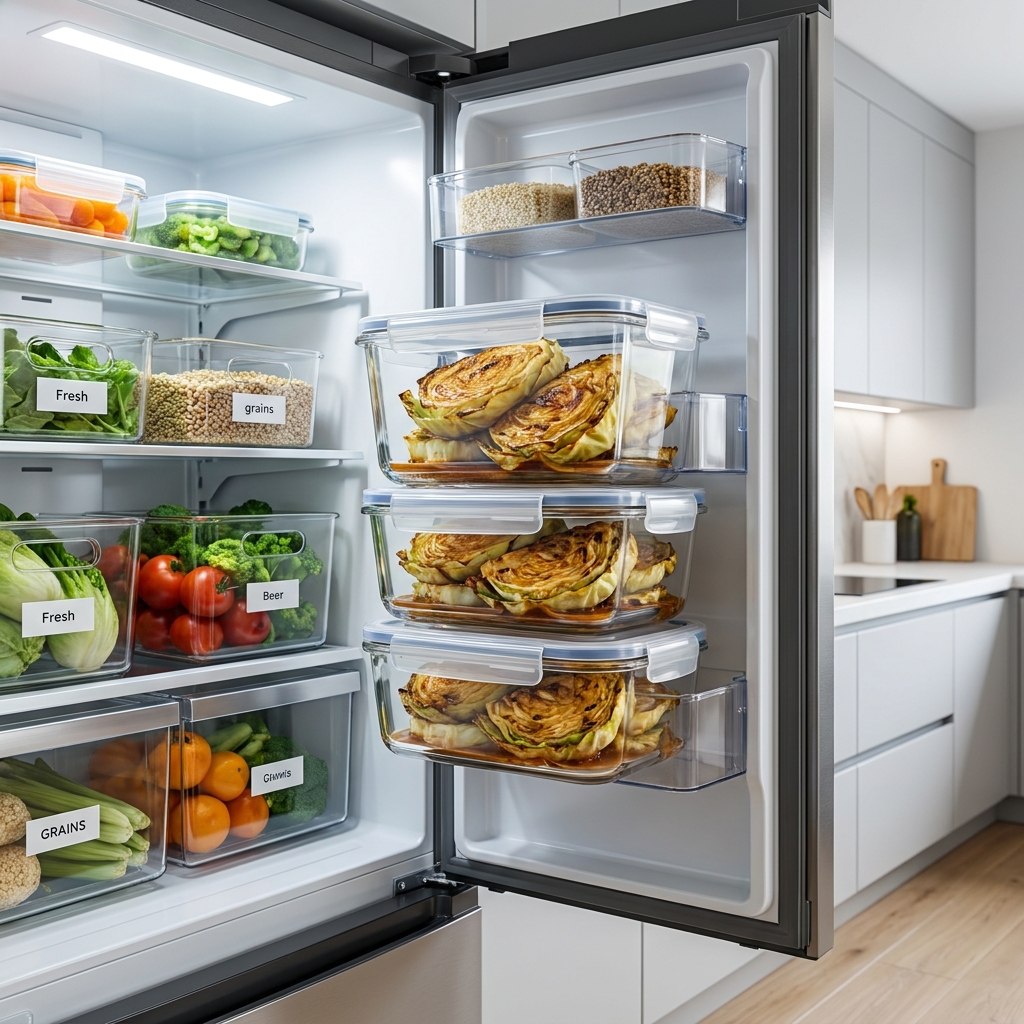
| Refrigerator Storage | Up to 4 days | Cool miso cabbage steaks completely, then transfer to an airtight container. Store in the coldest part of your refrigerator. These miso cabbage steaks may develop a slight condensation layer, which is normal and doesn’t affect quality. |
| Freezer Storage | Up to 3 months | Arrange cooled miso cabbage steaks in a single layer on a baking sheet, freeze for two hours until solid, then transfer to freezer bags or containers. This method prevents miso cabbage steaks from sticking together. |
| Oven Reheating | 10-15 minutes at 375°F | Place refrigerated or thawed miso cabbage steaks on a baking sheet and cover loosely with foil. Reheat until warmed through; these miso cabbage steaks regain some of their original crispness this way. |
| Microwave Reheating | 2-3 minutes at 50% power | Place a single miso cabbage steaks steak on a microwave-safe plate and cover with a damp paper towel. Use reduced power to prevent toughness. This method is fast but produces less ideal texture than oven reheating. |
| Stovetop Reheating | 3-5 minutes over medium heat | Place miso cabbage steaks in a skillet with a splash of water, cover, and heat gently. This method retains moisture while allowing slight re-crisping of the exterior. |
| Make-Ahead Preparation | Up to 24 hours before cooking | Slice cabbage and prepare the glaze ahead of time, storing each in separate containers. Assemble and roast fresh on serving day for optimal texture and flavor of your miso cabbage steaks. |
Miso cabbage steaks actually improve during the first day of refrigeration as flavors meld and deepen, making this an excellent dish for meal prep and advance preparation. The natural moisture in cabbage helps these miso cabbage steaks stay tender even after refrigeration, though the glaze may lose some of its initial crispness. Freezing is reliable for miso cabbage steaks when you flash-freeze them first to prevent ice crystal formation that might compromise texture. Thaw frozen miso cabbage steaks in the refrigerator overnight before reheating.
Nutritional Information for Miso Cabbage Steaks
Understanding the nutritional profile of miso cabbage steaks helps you make informed dietary choices and appreciate the health benefits this simple dish delivers without sacrifice of flavor or satisfaction.
| Nutrient | Amount per Serving |
|---|---|
| Calories | 95 |
| Protein | 3g |
| Fat | 5g |
| Carbohydrates | 11g |
| Dietary Fiber | 2.5g |
| Sugar | 4g |
| Sodium | 380mg |
| Vitamin C | 35% of Daily Value |
| Vitamin K | 85% of Daily Value |
| Potassium | 280mg |
These are approximate values based on standard ingredient measurements for one miso cabbage steaks serving. Miso cabbage steaks provide excellent nutritional density with relatively modest calorie content, making them ideal for weight-conscious diners. The miso paste adds beneficial probiotics and amino acids from fermentation, while cabbage contributes powerful antioxidants and sulfur compounds that support cellular health. These miso cabbage steaks deliver satisfying umami flavor while remaining genuinely nutritious, a rare combination that lets you enjoy delicious food while supporting your wellness goals.
Frequently Asked Questions About Miso Cabbage Steaks
Can I make miso cabbage steaks without an oven?
Yes, you can prepare miso cabbage steaks using a cast iron skillet on the stovetop or in a large covered skillet over medium-high heat for approximately twenty to twenty-five minutes, turning the steaks halfway through cooking. While this method requires more active attention and produces slightly less uniform caramelization than oven roasting, it successfully cooks miso cabbage steaks to tender doneness with adequate browning. A grill pan or outdoor grill also works beautifully for miso cabbage steaks, creating appealing char marks while maintaining the miso glaze.
How do I know when miso cabbage steaks are perfectly done?
Pierce your miso cabbage steaks with a fork—when the tines slide through with minimal resistance, your steaks have reached perfect doneness. The cabbage should be completely tender but not mushy, maintaining some structural integrity while yielding to gentle pressure. The glaze should appear deeply caramelized, ranging from dark brown to almost black in spots where concentrated miso has caramelized. If your miso cabbage steaks still feel firm after thirty minutes, continue roasting in five-minute increments.
What’s the best miso paste to use for miso cabbage steaks?
White miso paste (shiro miso) is the ideal choice for miso cabbage steaks because its mild, slightly sweet flavor complements cabbage without overwhelming it. Red or brown miso creates more intense miso cabbage steaks with earthier notes, which some prefer but can feel heavy when not balanced carefully. Purchase authentic miso paste from the refrigerated section of Asian markets or specialty grocers rather than shelf-stable varieties, which often contain additives and lack the depth necessary for exceptional miso cabbage steaks.
Can I prepare miso cabbage steaks ahead of time?
Absolutely—slice your cabbage and prepare your glaze up to twenty-four hours ahead, storing them separately in the refrigerator. Assemble and roast the miso cabbage steaks on the day you plan to serve them for optimal glaze texture and crispness. You can also fully cook miso cabbage steaks several days ahead and reheat them gently, though they taste best enjoyed within the first two days when flavors remain vibrant and the exterior retains some crispness.
Are miso cabbage steaks suitable for meal prep?
Yes, miso cabbage steaks are excellent for meal prep, maintaining quality for up to four days when stored in airtight containers in the refrigerator. Pack them separately from grains and wet components to prevent the glaze from oversaturating other foods. These miso cabbage steaks reheat beautifully in the oven, regaining some of their original texture and appearance, making them perfect for batch-cooking on weekends.
What happens if my miso cabbage steaks turn out mushy?
Mushy miso cabbage steaks typically result from excessive heat, overcrowding on the baking sheet, or cooking too long after the cabbage has already become tender. For your next attempt, use thicker slices, ensure adequate spacing between steaks, and monitor them carefully during the final five minutes of roasting. Mushy miso cabbage steaks are still delicious but lack the appealing texture contrast; serve them over rice where the softer texture becomes an asset rather than a drawback.
Can I use napa cabbage instead of green cabbage for miso cabbage steaks?
Yes, napa cabbage works beautifully for miso cabbage steaks and creates thinner, more delicate steaks with a tender interior and crispy exterior. Napa’s milder flavor allows the miso glaze to shine more prominently than with assertive green cabbage. Cut napa cabbage steaks slightly thinner (approximately one inch) since their leaves are more delicate and cook faster than green cabbage miso cabbage steaks.
How do I store leftover miso cabbage steaks without them becoming soggy?
Cool your miso cabbage steaks completely before storing them in airtight containers, which prevents condensation buildup that causes sogginess. Store them in the coldest part of your refrigerator where temperature remains most consistent. Line your storage containers with paper towels that absorb excess moisture without affecting flavor of your miso cabbage steaks.
What should I serve with miso cabbage steaks for a complete meal?
Pair miso cabbage steaks with jasmine rice, quinoa, or sushi rice as your grain base, add a simple protein like tofu or tempeh, and include a bright vegetable side like sautéed bok choy or a cucumber salad. This combination creates a balanced plate with varied textures and temperatures. For Western presentations, serve miso cabbage steaks alongside roasted root vegetables and a green salad.
Can I make miso cabbage steaks spicy?
Absolutely—add one-quarter to one-half teaspoon of sriracha or sambal oelek to your glaze for spicy miso cabbage steaks, or brush the cooked steaks with a drizzle of chili oil for heat that complements the umami-forward flavors. You can also garnish finished miso cabbage steaks with red pepper flakes or fresh Thai chili slices. The umami base of these miso cabbage steaks provides excellent counterbalance to spicy heat.
How long do frozen miso cabbage steaks stay good?
Properly frozen miso cabbage steaks remain good for up to three months in the freezer when stored in airtight containers or freezer bags with minimal air exposure. Thaw them in the refrigerator overnight before reheating gently in the oven to restore optimal texture. Check for any ice crystallization on thawed miso cabbage steaks, which indicates freezer burn has compromised quality.
Conclusion
Miso cabbage steaks represent the perfect intersection of simplicity and sophistication, transforming ordinary cabbage into an impressive dish that satisfies both your palate and your health goals. This recipe for miso cabbage steaks proves that restaurant-quality cooking doesn’t require complex techniques or rare ingredients—just thoughtful combinations of complementary flavors and proper technique. Whether you’re planning a weeknight dinner, preparing meals for the week ahead, or impressing guests at your next gathering, these miso cabbage steaks deliver consistent, memorable results that showcase your culinary confidence. The deep, umami-rich glaze caramelizes into a glossy coating that catches the light while the tender cabbage interior yields with each bite, creating the textural and flavor contrast that makes this dish so compelling. Try miso cabbage steaks today and discover why this humble cruciferous vegetable deserves a permanent place in your cooking repertoire.
Related Recipes You’ll Love
baking soda trick recipe for Weight Loss
Eggplant parmesan soup recipe
Whipped beef tallow recipe
Protein Dill Pickle Dip
Savory Greek yogurt dip
Rose tteokbokki recipe
Hot honey cottage cheese sweet potato beef bowl
Expert Resources and Food Safety
For nutritional guidance about cruciferous vegetables, consult Academy of Nutrition and Dietetics for science-based information.
For food safety guidelines about vegetable storage and handling, reference USDA FoodSafety.gov for official recommendations.
Print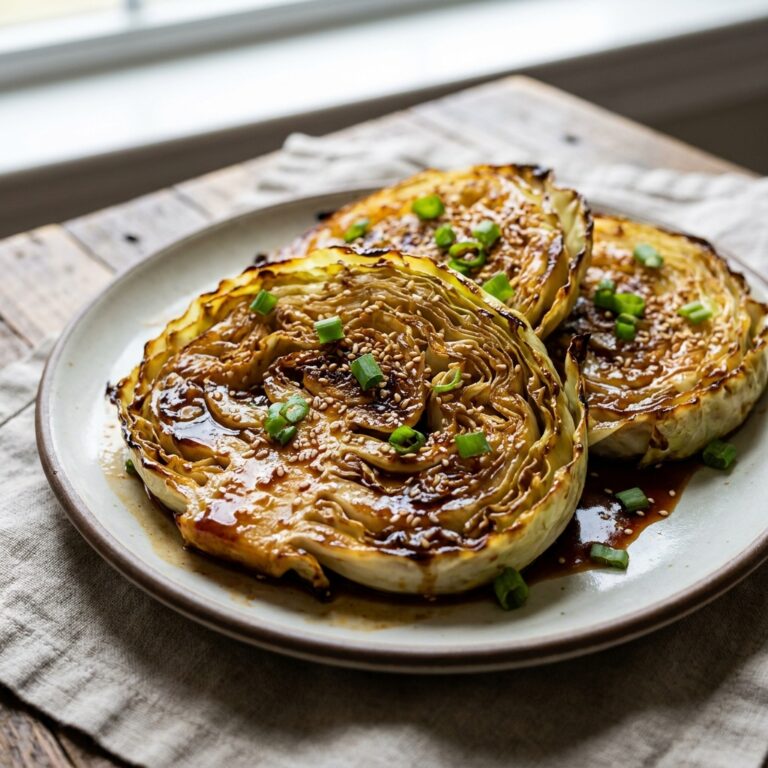
Viral Miso Cabbage Steaks 2026
Miso cabbage steaks are thick-cut slices of cabbage roasted until tender and caramelized, then brushed with a savory miso glaze for deep umami flavor, crispy edges, and a naturally sweet interior.
- Total Time: 45 minutes
- Yield: 4 servings 1x
Ingredients
- 1 large head green or napa cabbage, about 2 pounds
- 3 tablespoons white miso paste
- 3 tablespoons olive oil
- 1 tablespoon rice vinegar
- 1 tablespoon maple syrup or honey
- 1 tablespoon fresh ginger, minced
- 2 tablespoons sesame seeds
- 2 scallions, chopped
Instructions
- Preheat the oven to 425 degrees Fahrenheit.
- Line a large baking sheet with parchment paper.
- Remove the outer leaves from the cabbage and rinse thoroughly.
- Place the cabbage cut-side down on a cutting board.
- Slice the cabbage into thick steaks about 1 1/2 inches thick, keeping the core intact.
- Arrange the cabbage steaks in a single layer on the prepared baking sheet.
- Combine the white miso paste, olive oil, rice vinegar, maple syrup, and minced ginger in a small bowl.
- Whisk until the glaze is smooth and uniform.
- Reserve half of the glaze for brushing halfway through cooking.
- Brush the top side of each cabbage steak generously with the miso glaze.
- Roast for 15 minutes.
- Remove the baking sheet from the oven and carefully flip each cabbage steak.
- Brush the second side with the remaining miso glaze.
- Return to the oven and roast for 12-15 minutes, until deeply browned and tender.
- Transfer the miso cabbage steaks to a serving platter.
- Let cool for 2 minutes.
- Garnish with sesame seeds and chopped scallions before serving.
Notes
Keep the cabbage core partially intact so the steaks hold together while roasting. Apply the miso glaze in thin, even layers to prevent burning and encourage deep caramelization. Do not crowd the baking sheet, or the cabbage will steam instead of roast.
- Prep Time: 15 minutes
- Cook Time: 30 minutes
- Category: Side Dish
- Method: Roasted
- Cuisine: Japanese-Inspired
- Diet: Vegan
Nutrition
- Serving Size: 1 cabbage steak
- Calories: 95
- Sugar: 4g
- Sodium: 380mg
- Fat: 5g
- Saturated Fat: 1g
- Unsaturated Fat: 4g
- Trans Fat: 0g
- Carbohydrates: 11g
- Fiber: 2.5g
- Protein: 3g
- Cholesterol: 0mg