Did you know that according to recent 2026 health surveys, over 70% of us are trying to eat more plant-based meals but fail because of “kitchen fatigue”? Honestly, I get it! After a long day of teaching, the last thing I want to do is stand over a hot stove for an hour. That’s exactly why I fell in love with this Simple Mediterranean Veggie Bake.
It’s just a bunch of chopped-up goodness thrown onto a tray. It’s vibrant. It’s salty from the feta. It’s got that charred, sweet vibe from the roasted peppers. You just toss it in the oven and walk away. I’ve made this for my family a dozen times this year, and even my picky eaters don’t complain!
Picking the Best Veggies for Your Bake
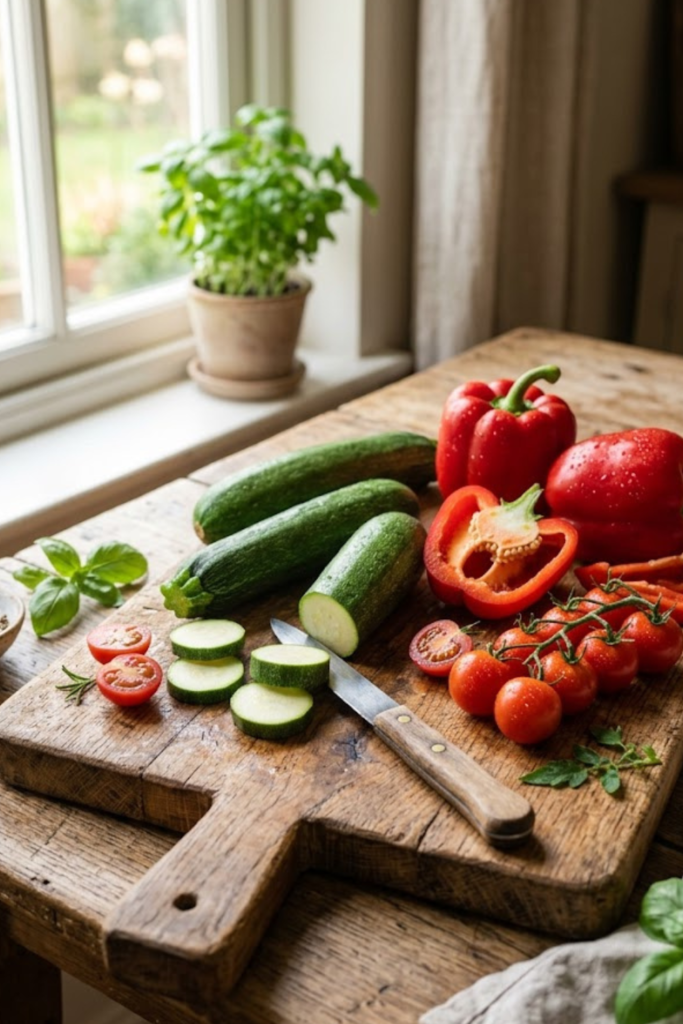
Let me tell you about the time I tried to make this with frozen broccoli. Big mistake. It turned into a watery, mushy mess that nobody wanted to touch. Since then, I’ve learned that fresh is the only way to go when you’re roasting. I usually grab whatever looks good at the market, but my “must-haves” are zucchini, bell peppers, and those little cherry tomatoes that pop in your mouth.
I’ve learned a trick about the zucchini too. Don’t slice them too thin! If you do, they disappear into nothingness before the peppers are even soft. I cut them into thick half-moons. It makes a huge difference in the texture. Also, red onions are way better than white ones for this because they get all sweet and caramelized in the heat.
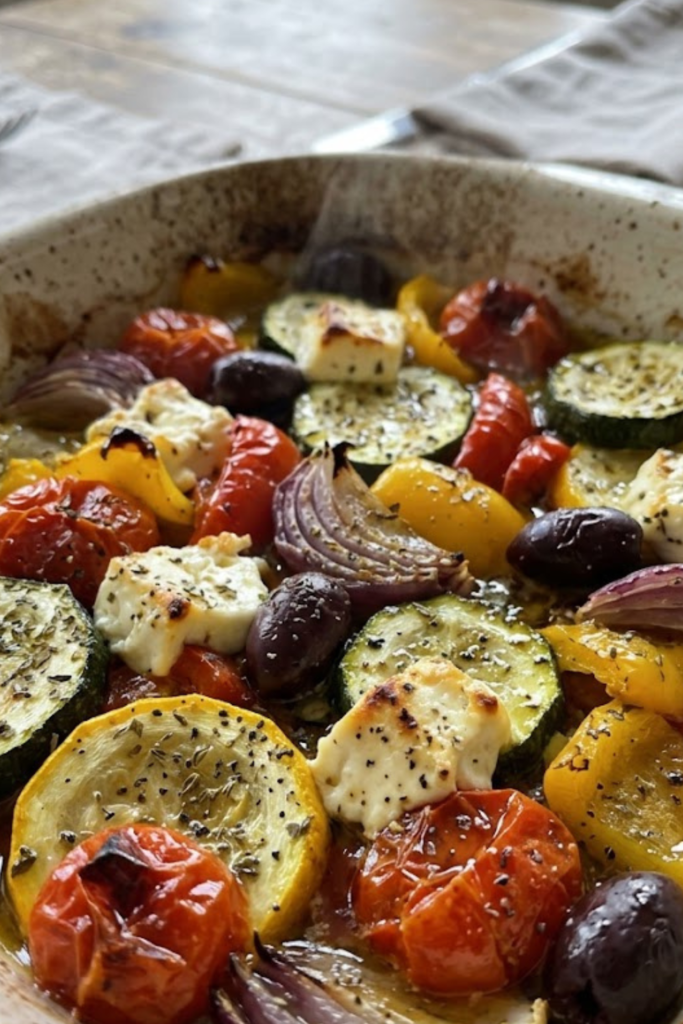
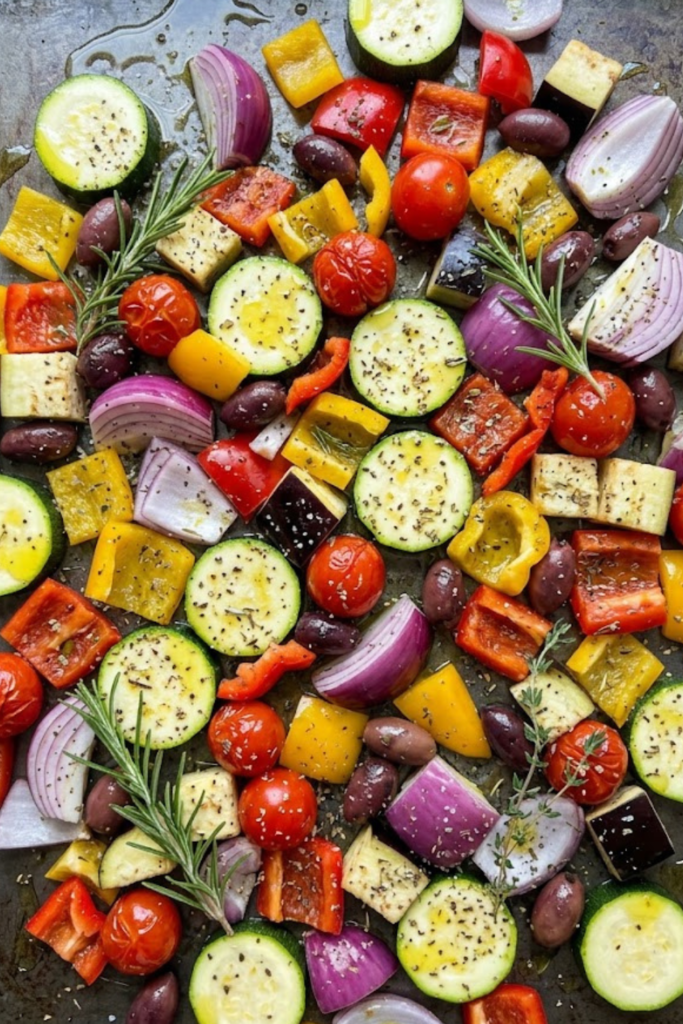
The secret to a great bake is how you prep each vegetable. I always make sure the zucchini stays firm by keeping those slices thick. Then, I toss in a mix of red, yellow, and orange bell peppers to get the best flavor variety. I leave the cherry tomatoes whole so they burst in the oven and create a natural sauce that coats everything. Finally, I cut the red onions into wedges rather than rings so they get those perfect, sweet charred edges we all love.
If you have some extra time, I really recommend adding some eggplant to the mix. It acts like a little sponge for the olive oil and gets so creamy inside. Just make sure you cube it about the same size as your zucchini so they cook at the same rate. I also love throwing in some artichoke hearts from a jar. You just drain them and pat them dry so they don’t add extra moisture to the pan. They get these slightly crispy edges that are just to die for.
Another vegetable that works surprisingly well is asparagus. I usually trim off the woody ends and throw the stalks in whole if they are thin, or cut them in half if they are thicker. They add a nice earthy taste that balances the sweetness of the peppers. If you’re looking for a bit more “bulk,” some baby potatoes are a great addition. I usually par-boil them for about five minutes first so they don’t stay hard while the rest of the veggies are soft.
Sometimes I find some beautiful yellow squash at the farmer’s market, and that goes in the pan too. It’s a bit softer than zucchini, so I keep those pieces even chunkier. If you like a bit of a bite, try adding some whole garlic cloves with the skins still on. They roast inside the skin and turn into a spreadable paste that you can squeeze onto your fork later. I’ve even started adding thin slices of lemon directly to the baking sheet. The rinds soften up and you can actually eat them, and they give the whole dish a bright, citrusy punch that makes it feel so fresh.
Why My First Bakes Were Always Soggy
Okay, so here is a confession: I used to be a “pan-crowder.” I thought I could fit two pounds of vegetables on one tiny sheet pan. The result? Everything steamed instead of roasting. It was gross and limp. Now, I tell everyone to use two pans if they have to. Every vegetable needs its own personal space, sort of like middle schoolers in my classroom.
Another thing is the oil. I used to be stingy with the olive oil because I was “watching my calories.” But you need that fat to get the crispy edges! Without it, the Simple Mediterranean Veggie Bake just looks sad and dry. Use a good quality extra virgin olive oil. It adds so much flavor and helps the dried oregano stick to everything. Just pour it on and get your hands dirty tossing it all together.
I’ve learned that the layout is just as important as the ingredients. When you spread things out, the hot air can actually reach the surface of the veggies to create those golden brown spots. If you see juice pooling at the bottom of the pan, you probably have too much packed in there. Spread them out until you can see the bottom of the pan between the pieces. Also, make sure you give them a good stir halfway through so every side gets some love from the heat.
To really nail the texture, I started using a dark metal baking sheet. It holds onto the heat better than the shiny ones and helps get that caramelization on the bottom of the onions and zucchini. I also stopped using parchment paper for this specific dish. While it makes cleanup easier, the veggies don’t get that same direct contact with the hot metal that creates those slightly burnt, delicious edges.
I also realized that I was adding the salt way too early. Salt draws out moisture, and if you salt everything 20 minutes before it goes in the oven, you’re going to have a puddle. Now, I toss everything in the oil and herbs, and I only sprinkle the sea salt right before I slide the pan into the oven. It keeps the insides juicy while the outsides get that nice roast.
If you find that your oven has “hot spots” like mine does, don’t be afraid to rotate the pans. I usually swap the top and bottom racks about ten minutes in. This makes sure the tray near the heating element doesn’t burn while the other one stays pale. It’s a little extra work, but it’s the difference between a “meh” dinner and one that everyone asks for seconds of. Lastly, make sure your oven is actually hot! I preheat mine for at least 15 minutes. If the oven isn’t at 400°F (200°C) when the veggies go in, they’ll just sit there and get soft instead of searing.
The Feta and Olive Finish
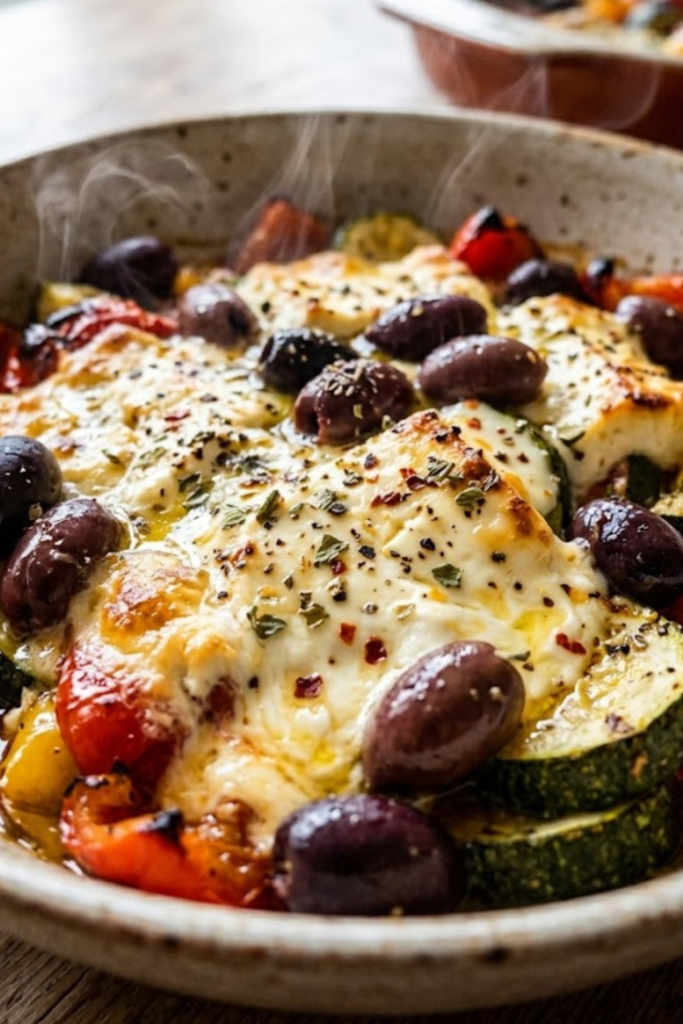
The real magic happens at the very end. When the timer goes off, I pull the tray out and crumble a whole block of feta cheese right on top. Then it goes back in for just five minutes. The cheese doesn’t fully melt, but it gets soft and warm and slightly browned. It’s literal heaven.
I also throw in some Kalamata olives at this stage. I once forgot them and my husband actually asked if I was feeling okay. That’s how much of a staple they are! The saltiness of the olives and the creaminess of the feta really balances out the sweetness of the roasted peppers. Don’t skip the fresh parsley at the end either; it makes it look like you actually know what you’re doing.
Adding the cheese and olives last is a trick I learned to keep the flavors bright. If you put the feta in too early, it can get a bit rubbery, and the olives might lose their juice. By waiting until the end, the feta stays creamy while the olives just get warm enough to release their oils. I also like to squeeze a bit of fresh lemon juice over the whole tray right before serving. It cuts through the salt and makes all the veggie flavors pop even more.
If you really want to take it up a notch, I sometimes drizzle a little balsamic glaze over everything just as I’m bringing it to the table. The sweetness of the vinegar works so well with the salty cheese. I’ve also found that using a block of feta in brine is way better than the pre-crumbled stuff in the cups. The pre-crumbled kind has this weird powder on it to keep it from sticking, which means it doesn’t soften as nicely in the oven.
For the olives, I usually buy the ones with the pits still in and pop them out myself because they stay much juicier that way. It’s a bit of extra work, but my kids actually like helping with that part! I also like to add a pinch of red pepper flakes at this final stage if I’m in the mood for a little heat. It doesn’t make it spicy, it just gives it a tiny bit of warmth that feels really cozy.
Lately, I’ve been experimenting with adding some toasted pine nuts or sliced almonds right when the feta comes out. It adds a crunch that you usually don’t get with roasted vegetables. If you have any leftovers—which is rare in my house—they actually taste amazing cold the next day tossed with some cooked pasta or quinoa. It’s like a built-in meal prep! Just make sure you don’t skimp on that final sprinkle of herbs, because that fresh green color against the charred veggies is what makes the whole dish look like it belongs in a magazine.
Making a Simple Mediterranean Veggie Bake is honestly the easiest way to feel like a pro chef without actually doing much work. It’s healthy, it’s fast, and it uses up all those veggies sitting in the back of your fridge. Just remember my two big rules: don’t crowd the pan and don’t be shy with the feta!
I really think once you try this, it’ll become a regular part of your rotation like it did for me. It’s just so nice to have a meal that feels fancy but actually lets you sit down and relax while it cooks. If you end up making this for your family, I’d love to hear how it went and if you added any of your own favorite veggies. Please save this to your favorite Pinterest board so you can find it later!