You know that feeling when you wake up starving, but the same old toast just won’t cut it? I’ve been there! They say breakfast is the most important meal of the day, and honestly, I think they’re right—especially when it involves crispy dough and rich flavors. Did you know that starting your day with healthy fats, like those in extra virgin olive oil, can actually keep you fuller longer? It’s a total game-changer! That is exactly why I am obsessed with this Olive Oil Breakfast Flatbread. It is golden, it is crunchy, and it is going to revolutionize your mornings. Let’s get baking!
Selecting the Best Extra Virgin Olive Oil for Baking
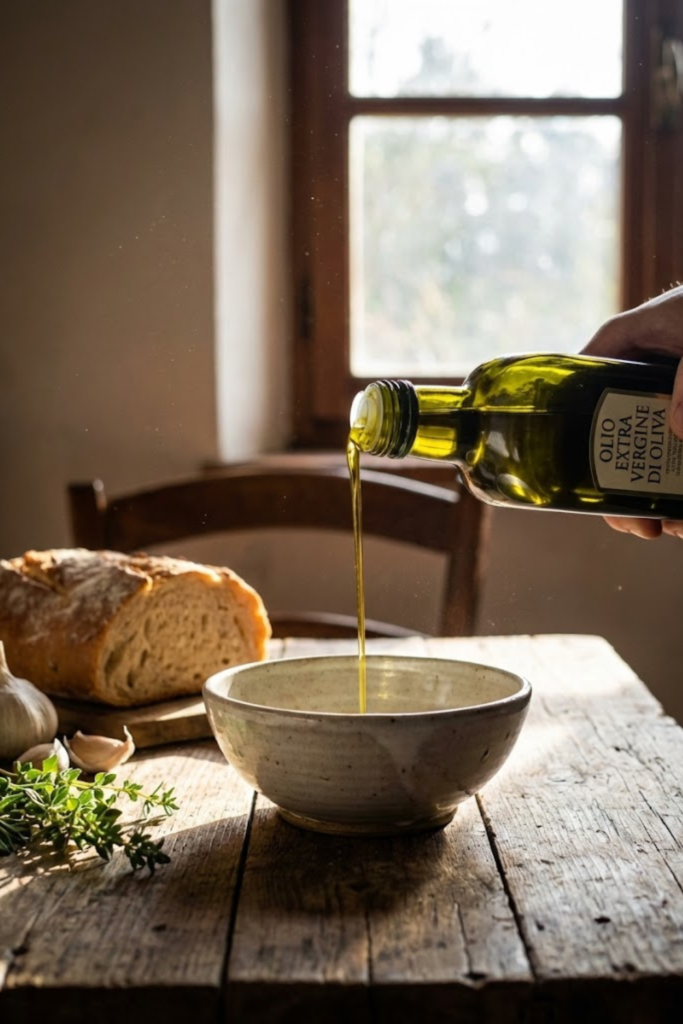
I still cringe when I think about the first time I tried to make an Olive Oil Breakfast Flatbread. I was standing in the grocery store aisle, totally overwhelmed by the wall of bottles. I grabbed the “Light” olive oil because, hey, I thought it meant fewer calories or something. Big mistake! It tasted like absolutely nothing, and my flatbread came out boring and greasy. I learned the hard way that when you’re baking something this simple, the ingredients have got to shine.+1
The Smoke Point Myth
You might have heard that you shouldn’t heat extra virgin olive oil because it has a low smoke point. I used to believe that too! But here is the thing I figured out after ruining a few batches of dough. High-quality extra virgin olive oil actually has a smoke point around 410°F (210°C), which is totally safe for baking flatbread.+1
The bread itself doesn’t get that hot inside, so the oil stays stable. Don’t be scared to use the good stuff. If you use cheap oil, you lose all those healthy antioxidants we want in a breakfast.
Flavor Profiles: Why “Extra Virgin” Wins
There was this one time I invited my neighbor over for brunch. I used a high-end, peppery olive oil I’d been saving. She took one bite and asked if I put spice in the dough! That is the power of real extra virgin olive oil.
- Peppery Kick: Look for oils that say “robust” or “early harvest” if you want that spicy back-of-the-throat feeling. It cuts right through the starch of the flour.
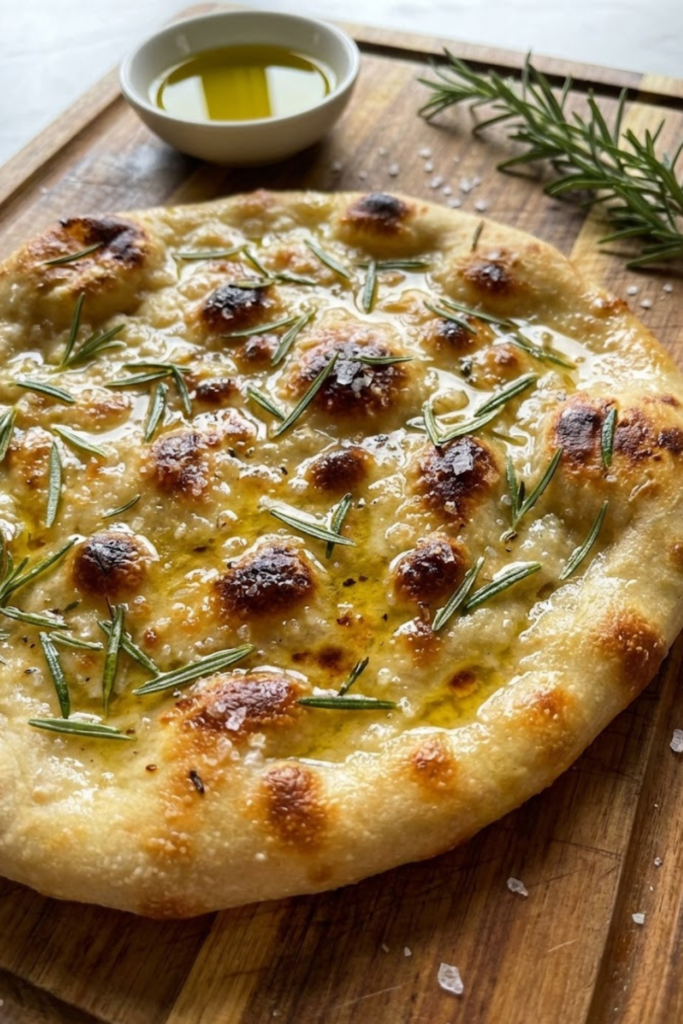
- Grassy Notes: A greener oil tastes amazing if you plan to top your flatbread with fresh herbs like rosemary.
Avoid anything labeled “pure” or “light” for this recipe. Those are chemically refined and stripped of flavor. You want the oil to be a main character, not just a lubricant.+1
Storing Your Liquid Gold
I used to keep my fancy oil right next to the stove so I could grab it easily while cooking. Turns out, heat kills the flavor faster than anything. I noticed my oil started tasting like old crayons after a month. Gross, right?
Now, I keep my baking oil in a dark cupboard, away from the oven’s heat. If you buy those big metal tins (which save money!), decant a little bit into a smaller dark glass bottle for daily use. This keeps the main supply fresh for your morning Olive Oil Breakfast Flatbread routine. Trust me, your tastebuds will thank you.
Crafting the Perfect Flatbread Dough From Scratch
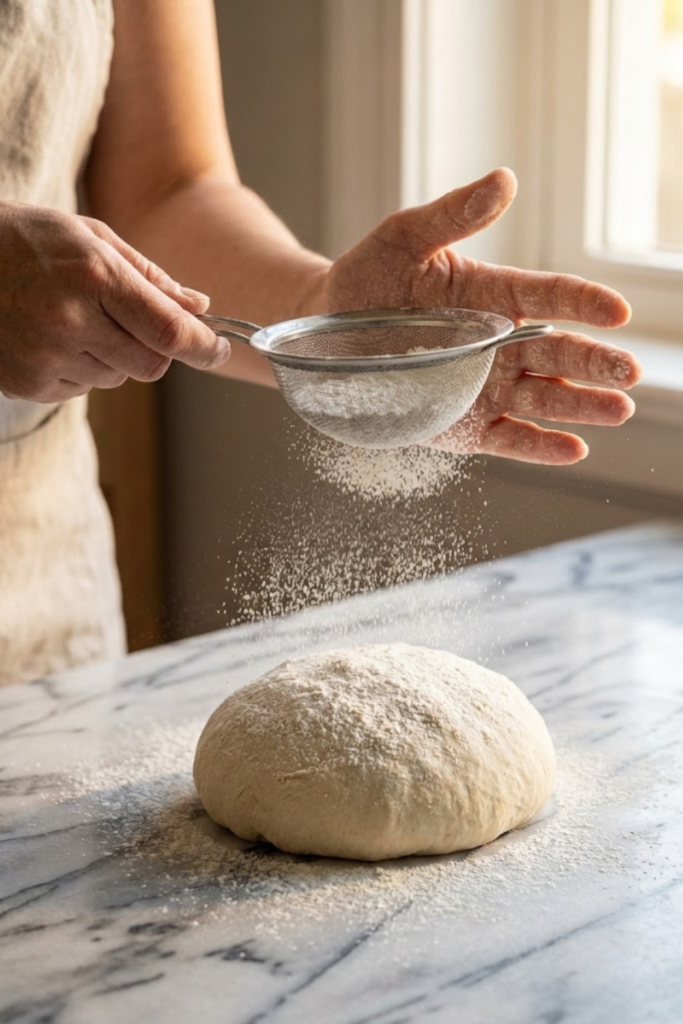
I have to admit, working with dough used to scare me. It felt like this big science experiment that could go wrong at any second. I remember one Saturday morning, I stood in my kitchen covered in white flour, staring at a bowl of gray, lumpy sludge that refused to rise. I almost cried! But after years of trial and error (and a lot of cleaning up), I finally figured out that making dough for Olive Oil Breakfast Flatbread is actually pretty forgiving once you know the tricks.
Picking the Right Flour
For the longest time, I thought flour was just flour. I would grab the bag of Cake Flour I bought for a bake sale three years ago and try to make bread with it. The result? It crumbled apart in my hands.
If you want that nice, chewy texture that holds up to toppings, you really need Bread Flour. It has more protein, which creates the structure. I’ve used All-Purpose flour too, and it works fine, but the flatbread comes out a little softer, almost like a biscuit. It’s delicious, but if you want that authentic stretch, go for the bread flour.
The Water Temperature “Finger Test”
Yeast is fussy. I learned this the hard way after killing about five packets in a row. I used to think hot water would make it rise faster. Nope. It just cooks the yeast before it even starts working.
Here is the rule I tell everyone: stick your finger in the water. It should feel like nothing. Not hot, not cold—just the same temp as your body. If you have to pull your finger away, it is too hot. If it feels chilly, the yeast will stay asleep.
Don’t Fight the Dough
When I started, I used to knead the dough like I was angry at it. I punched it and tore it, thinking I was doing a good job. My flatbreads turned out like hockey pucks.
You have to be gentle. You want to stretch it just enough to make it smooth. If you poke it and it springs back slowly, let it rest! Resting is the secret. I usually leave it alone on the counter for ten minutes while I drink my coffee. When I come back, it’s soft and easy to roll out.
The “I Forgot the Yeast” Backup Plan
We have all been there. You get ready to bake, and the yeast packet is empty. Don’t panic! I do this quick version all the time on busy weekdays. Just swap the yeast for baking powder (about a teaspoon). It won’t have that yeasty smell, but it puffs up nicely in the pan and gets crispy edges. It saves the morning every time.
Top Savory Ingredients to Elevate Your Breakfast
I used to think that if I made the dough right, the job was done. I would just eat the plain flatbread with a little butter. While that is tasty, it got boring pretty fast. My family started complaining that they were hungry an hour later. That is when I realized that an Olive Oil Breakfast Flatbread is basically a plate waiting to be filled. You have to treat it like a savory open-faced sandwich to really make it a meal that sticks to your ribs.
The Protein Power-Up
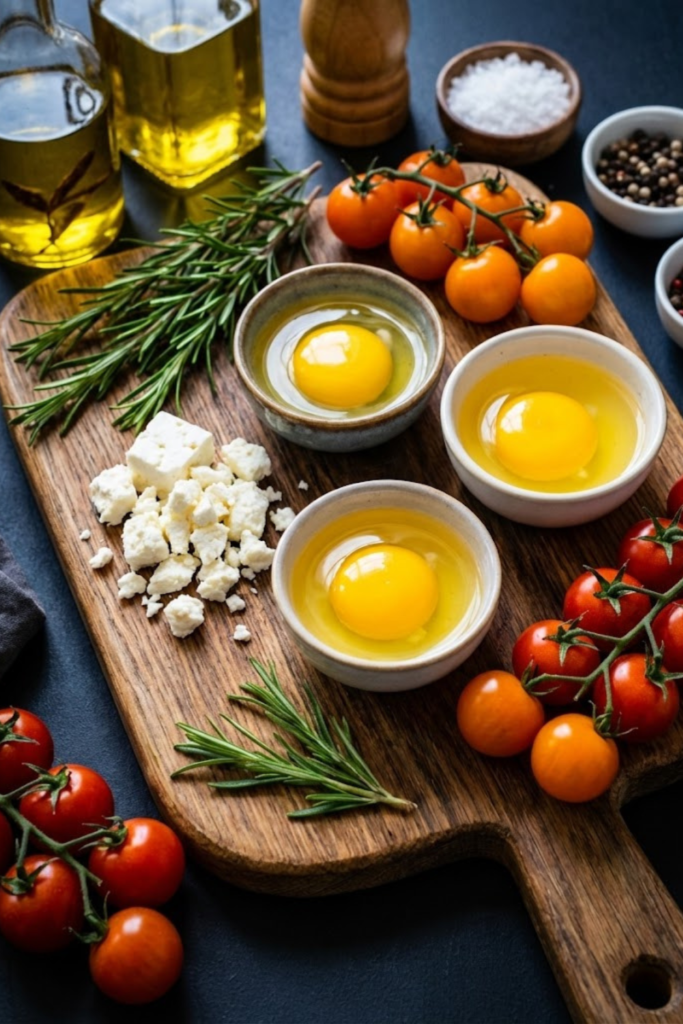
If you want to make this breakfast actually count, you need protein. My absolute favorite thing to do is fry an egg and slide it right on top of the warm bread. When you cut into that yolk and it runs into the nooks and crannies of the dough, it creates its own rich sauce. It is messy, but it is so good.
If eggs aren’t your thing, or you are in a rush, crumbled feta cheese is a lifesaver. I prefer buying the block of feta in brine and crumbling it myself. The pre-crumbled stuff can be a little dry. The salty punch of the feta cuts right through the richness of the olive oil. Sometimes, if I’m feeling fancy, I’ll drape a few thin slices of prosciutto on top right when it comes out of the oven. The heat from the bread melts the fat in the meat just enough.
Fresh vs. Baked Herbs: Timing is Everything
I ruined a perfectly good breakfast once by putting fresh basil on the dough before putting it in the oven. I thought it would bake in nicely like a pizza. Nope. It turned black and tasted like burnt tea leaves.
Here is the rule I teach my friends: “Hard” herbs go in the oven; “soft” herbs stay out until the end.
- Hard Herbs: Rosemary and thyme have woody stems. They love the heat. Toss them with the oil and put them on the raw dough. They get crispy and infuse the bread.
- Soft Herbs: Basil, parsley, and cilantro are delicate. Chop them up and sprinkle them on fresh after you pull the flatbread out. They stay green and bright that way.
Vegetables That Don’t Get Soggy
You have to be careful with veggies because they release water. Nobody likes soggy bread. I found that spinach creates a wet mess if you put too much on raw. Instead, I like using cherry tomatoes. Don’t slice them! Leave them whole. When the high heat hits them, they blister and pop in your mouth like little flavor bombs. Caramelized onions are another winner, but they take forever to make. I usually make a big batch on Sunday and keep them in the fridge to throw on my flatbread during the week.
The Finishing Touch
This sounds weird, but trust me: squeeze a lemon over the whole thing right before you eat it. The acid wakes up all the flavors. Or, if you have it, sprinkle some Za’atar seasoning on top. It’s a mix of thyme, sesame seeds, and sumac that goes perfectly with the olive oil.
Baking Techniques for that Golden, Crispy Crust
I used to think that to get good bread, you needed one of those fancy brick ovens like the ones at the Italian restaurant downtown. I was wrong, but it took me a while to figure out how to fake it at home. My first few flatbreads were pale and soft, more like a tortilla than a crispy bread. I learned that getting that perfect crunch is all about heat and surface area.
The Baking Stone vs. The Cookie Sheet
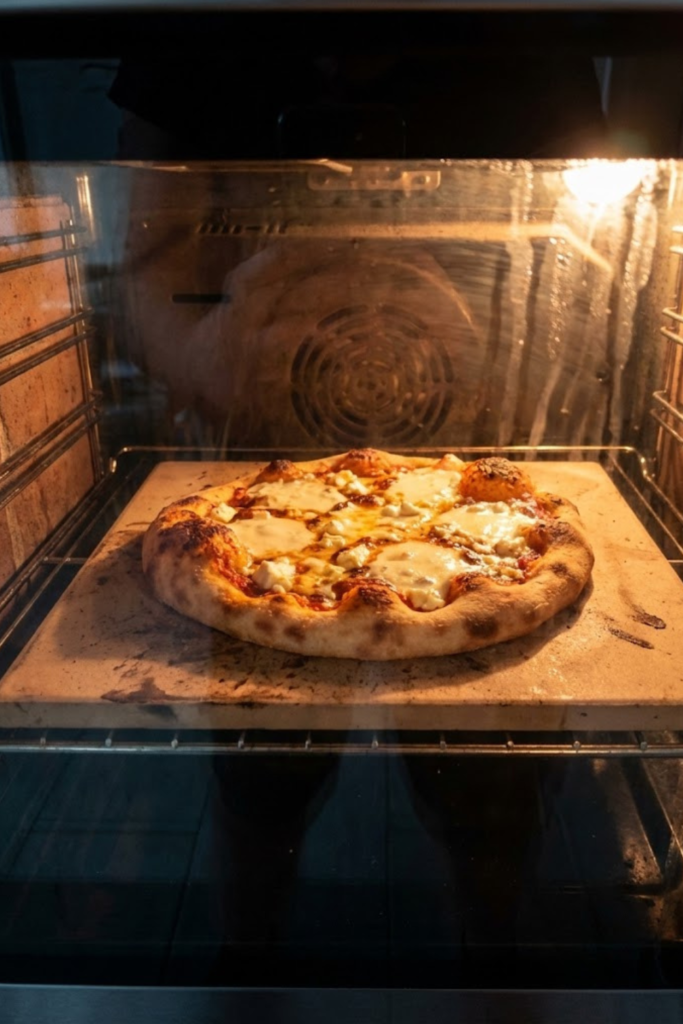
If you have a baking stone, use it! It holds heat really well, which blasts the dough as soon as you slide it on. That is what gives you those little air bubbles inside. But don’t worry if you don’t have one. I used an upside-down cookie sheet for years.
Here is the trick: put the cookie sheet in the oven while it preheats. You want the metal to be screaming hot when the dough hits it. If you put the dough on a cold pan and then put it in the oven, it just slowly warms up and gets chewy instead of crispy.
Crank Up the Heat
Most recipes tell you to bake at 350°F. For cookies, sure. For Olive Oil Breakfast Flatbread? No way. You need to be brave and turn that dial up to 450°F or even 475°F.
It sounds scary, and yeah, your kitchen will get warm, but high heat is the secret. It cooks the outside fast so it gets crunchy while keeping the inside soft. Just keep an eye on it! It goes from “perfectly golden” to “burnt toast” in about two minutes.
The Olive Oil Brush
This is the step I always skipped because I was lazy, and I always regretted it. Before you put the dough in the oven, grab a brush (or just use your fingers) and coat the rim of the dough with a little more olive oil.
The oil acts like a frying agent in the oven. It makes the crust turn a beautiful golden brown color. Without it, the flour just looks dry and dusty. Plus, it gives the salt something to stick to.
How to Know When It’s Done
I used to just guess and pull it out when I smelled bread. That usually meant the bottom was burnt. You have to look for the “leopard spots.” You want the top to be bubbly with little brown char marks here and there.
Lift up the edge with a spatula. The bottom should be stiff, not floppy. If it droops like a wet napkin, it needs two more minutes. Trust me, a little extra crunch is better than eating raw dough in the middle.
Well, we made it to the end! I really hope you are feeling a little more brave about trying this Olive Oil Breakfast Flatbread than I was when I first started. I know looking at a long recipe can feel a little scary sometimes, like a big homework assignment you don’t want to do. But honestly, once you get your hands in that dough and smell the yeast working, it is actually kind of relaxing.
I can’t tell you how much this recipe changed my mornings. I used to just grab a granola bar and run out the door, and by second period, my stomach was growling so loud my students could probably hear it. Now, taking the time to make this—even if I just reheat a piece I made on Sunday—makes me feel like I’m actually taking care of myself. That crunch of the crust and the richness of the good olive oil really stays with you.
Remember, it doesn’t have to be picture-perfect. My first few tries were lopsided and a little too dark on the bottom. Guess what? They still tasted amazing. Cooking is all about learning as you go. If your dough fights you, let it rest. If your oven is too hot, turn it down next time. Don’t stress about it. The best part is experimenting with those toppings. Maybe next week you try it with spinach and goat cheese, or maybe just simple sea salt and rosemary. The possibilities are totally up to you.
One last thing before I go—if you do make this and love it, could you do me a huge favor? Please pin this recipe to your breakfast board on Pinterest! It helps other people find the recipe so they can stop eating boring toast too. Plus, I love seeing the photos you guys post of your own creations. It makes my day to see how you made it your own.
So, go grab that flour, find the good oil, and get baking. Your kitchen is going to smell incredible, and your family is going to thank you. Happy baking, everyone!