You know that feeling when you get home, totally exhausted, and the idea of cooking a massive meal makes you want to crawl under a blanket? That was me last Tuesday! But then I remembered I had some cod in the fridge. Did you know that the Mediterranean diet is consistently ranked as the healthiest way to eat in the world? It’s true!
I whipped up this Mediterranean White Fish Dinner in literally 20 minutes, and the flavors blew me away. It’s zesty, it’s fresh, and honestly, it feels like you’re dining seaside in Greece rather than sitting in your kitchen. Whether you are a pro chef or just trying to eat better in 2026, this dish is a total lifesaver. Let’s dive in!
Choosing the Best Fillets for Your Mediterranean White Fish Dinner
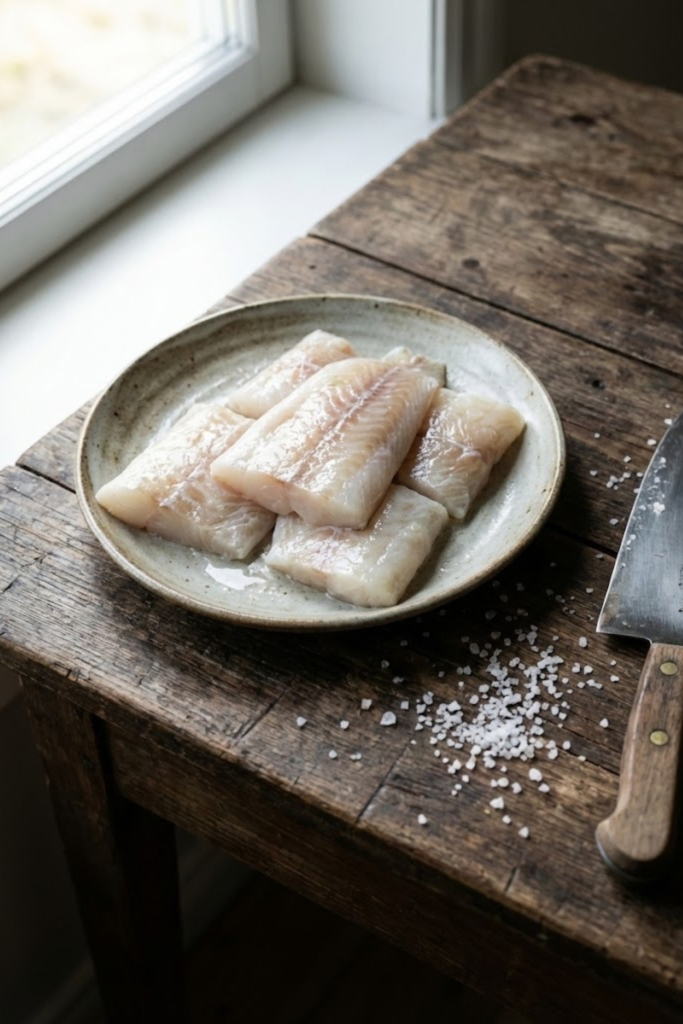
Standing in front of the seafood counter can feel a bit confusing sometimes, right? I used to just grab whatever was on sale, but I learned pretty quickly that not all white fish acts the same in a hot pan. For this Mediterranean dinner, you really want something that is going to hold its shape but still flake apart perfectly when you stick your fork in it. You don’t want it turning into mush before it even hits the plate.
The Best Varieties for the Pan
So, what should you actually buy? My personal favorite for this dish is Cod. It is usually easy to find at any grocery store, pretty affordable, and has a super mild taste that soaks up that lemon and garlic sauce like a sponge.
If you want to treat yourself a little bit, Halibut is amazing. It is thicker and meatier, almost like a steak, so it’s really hard to mess up. Sea Bass is another great option if you want something that tastes buttery and rich. And hey, if you are watching your budget, Tilapia works just fine too! It is a bit thinner, so you just have to watch it carefully so it doesn’t overcook and get dry.
Fresh vs. Frozen: The Truth
Here is a little secret: the “fresh” fish at the grocery store was often previously frozen anyway. So, do not feel bad about buying the bag of frozen fillets from the freezer aisle. I actually keep a bag of frozen wild-caught cod in my freezer for emergency dinners. It is usually frozen solid right after they catch it, so it stays super fresh.
The trick is just thawing it the right way. Put it in the fridge the night before you want to cook. Please don’t microwave it to thaw it out, or it will get rubbery and weird. If you are in a rush, you can seal it in a plastic bag and put it in a bowl of cold water for about 30 minutes.
How to Tell if It’s Good
If you are buying fresh fillets from the counter, you gotta use your nose. Fresh fish should smell like the ocean—clean and salty. If it smells strong, “fishy,” or sour, just walk away. You also want the flesh to look firm, shiny, and moist. If it looks dry, dull, or has big gaps separating the meat, it has probably been sitting there way too long.
A Quick Note on Buying Responsibly
I always try to look for that little blue MSC label or something similar when I shop. It just means the fish was caught in a way that is okay for the ocean and doesn’t hurt the population. It makes dinner taste a little better knowing you are making a good choice, right?
Essential Ingredients for Authentic Mediterranean Flavor
You could have the nicest piece of fish in the world, but if you cook it with just plain old salt and pepper, it’s gonna be pretty boring. What makes this dinner actually feel like a vacation is what you put around the fish. The best part is that you probably have most of this stuff sitting in your pantry or fridge right now. I don’t like buying fancy ingredients I’ll only use once, so everything here is a staple in my kitchen.
The Holy Trinity of Flavor
If you take nothing else away from this, remember these three things: extra virgin olive oil, fresh lemon juice, and garlic. They are the backbone of the whole dish. Please, do not use that little plastic lemon bottle sitting in the door of your fridge. It just doesn’t taste the same. Grab a real lemon and squeeze it right over the pan.
And with the olive oil, don’t be shy. You want a good amount because it mixes with the lemon and fish juices to make a sauce that you’ll want to sop up with bread later. I usually smash a few cloves of garlic—I don’t even chop them sometimes—and just let them sizzle in the oil to flavor it.
That Salty, Briny Kick
This is where the magic happens. I used to be scared of Kalamata olives because they look so strong, but they add this rich, salty punch that you just can’t get from a salt shaker. If you really hate olives, you could skip them, but I think you should try just a few.
Then there are capers. If you haven’t used them before, they are these tiny green berries pickled in brine. They are little flavor bombs. I toss in a spoonful, and they cut through the richness of the oil perfectly. You don’t need to add much extra salt to the dish because these two ingredients bring plenty of it to the party.
Fresh Veggies and Herbs
For vegetables, I stick to cherry tomatoes. When they hit the hot pan, they blister and pop open, releasing their sweet juices into the sauce. It creates this natural sweetness that balances out the sour lemon.
Finally, you gotta use fresh herbs. I know, dried oregano is easier, and I use it in a pinch. But chopping up a handful of fresh parsley or dill at the very end makes the dish look restaurant-quality and taste super fresh. It brightens everything up right before you serve it.

Step-by-Step Instructions for Pan-Searing Fish
Alright, this is the part where some people get a little nervous. Cooking fish in a pan can be tricky if you have had it stick or fall apart on you before. But honestly, once you get the hang of this method, you are gonna be doing it all the time. It is really just about patience and managing the heat properly. You don’t need to be a pro to get a restaurant-quality sear.
The Prep Work You Can’t Skip
Before you even think about turning on the stove, grab a few paper towels. You have to pat those fillets dry. I mean really dry. If the fish is wet from the package, it steams instead of searing, and you miss out on that yummy golden crust. I usually lay them out, pat them down, and then sprinkle salt and pepper on both sides generously.
Getting the Perfect Sear
Grab your skillet. I love using my heavy cast iron for this, but a good non-stick pan works great too. Heat up your olive oil over medium-high heat. You want the oil to shimmer but not smoke like crazy.
Lay the fish down carefully—lay it away from you so hot oil doesn’t splash on your shirt. Now, here is the hard part: don’t touch it. I know you want to peek, but let it cook for about 3 to 4 minutes. If you try to flip it and it feels stuck to the pan, it’s not ready. When it releases easily, give it a flip. It should look golden brown. Cook the other side for just a couple minutes, then take the fish out and put it on a plate. It might not be 100% done yet, but that’s okay.
Making the One-Pan Sauce
Don’t wash the pan! All those little brown bits left at the bottom are pure flavor. Turn the heat down a little bit. Toss in your cherry tomatoes, garlic, and olives right into that same oil. You will hear it sizzle.
After a minute or two, the tomatoes will start getting soft and bursting. This is when I pour in a splash of white wine. If you don’t drink alcohol, chicken broth or even veggie broth is totally fine. Use a wooden spoon to scrape the bottom of the pan. This lifts up all that flavor—chefs call it “deglazing,” but I just call it cleaning the pan while cooking.
Bringing It All Together
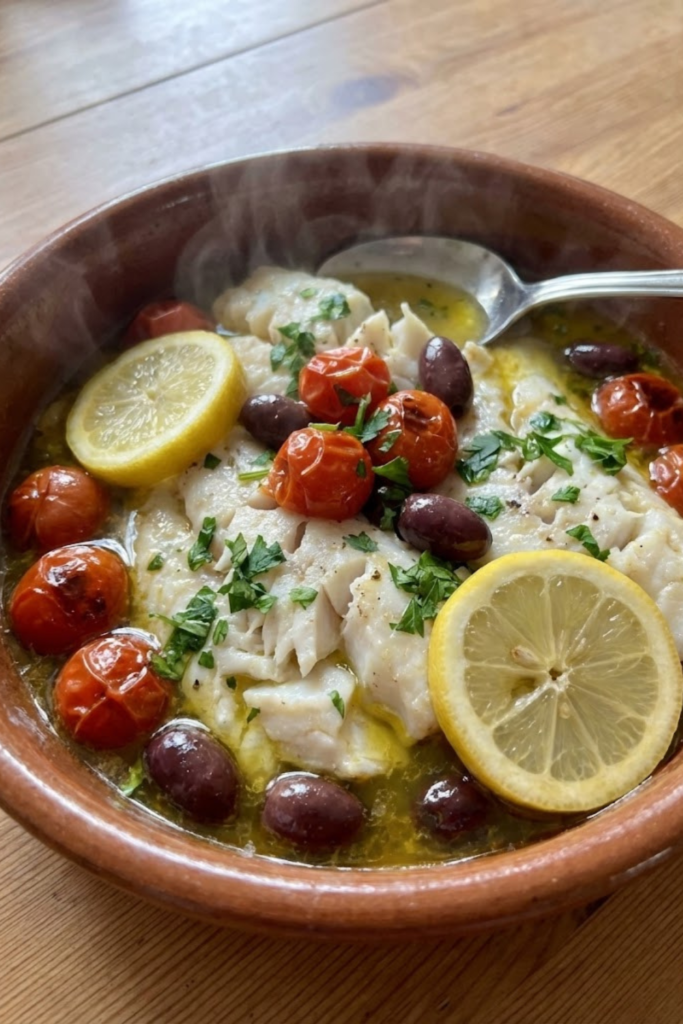
Once the liquid reduces a bit and looks like a nice sauce, put your fish back in. Nestle it right into the tomatoes and sauce. Let it warm up for another minute so it finishes cooking and soaks up those juices. Squeeze your lemon over everything, throw on the fresh parsley, and you are done.

Perfect Side Dishes to Serve with White Fish
Now that you have this beautiful pan of fish simmering in that lemony, garlicky sauce, you need something to go with it. White fish is delicious, but let’s be honest, it is pretty light. If I just served the fish by itself, my stomach would be growling again by 8 PM. To turn this into a full meal that actually keeps you full, you need some solid sides. The best sides for this dish are the ones that act like a sponge for all that amazing liquid in the pan.
Grains to Soak Up the Sauce
My number one go-to for this meal is couscous. If you have never made it, you are missing out. It is barely even cooking. You just boil water, pour it over the dry couscous, cover it, and wait five minutes. That’s it! It is so fluffy and light. When you put a piece of fish on top of a bed of couscous, the grains drink up the tomato juices and olive oil, and it tastes incredible.
If you want something a little heartier or gluten-free, quinoa or a lemon-herb rice works really well too. Sometimes, if I have leftover white rice from takeout earlier in the week, I just heat that up with a little butter and dill. You don’t need to make anything fancy here; the fish is the star, and the grains are just the supporting actors.
Adding Some Extra Green
Since the fish cooks so fast, you want a vegetable side that is just as quick. I usually grab a bundle of asparagus. I toss the spears on a baking sheet with a little oil and salt and roast them while I prep the fish. By the time the fish is done, the asparagus is tender and crispy at the tips.
Another great option is zucchini. You can slice it into coins and sauté it in a separate pan, or if you have one of those spiralizers, zucchini noodles (“zoodles”) are fun. They are super light and fresh. If you really don’t feel like cooking another vegetable, a simple, cold Greek salad with cucumbers and feta cheese is perfect. The cold crunch contrasts really nicely with the warm fish.
The Bread Rule
In my house, bread is not optional for this meal. You need a nice hunk of crusty sourdough or a warm pita. There is an Italian word, scarpetta, which basically means using a piece of bread to mop up the sauce left on your plate. Believe me, you are going to want to do that. Leaving that olive oil and tomato sauce on the plate feels like a crime.
What to Drink
If you like to have a glass of wine with dinner, a crisp white wine is the way to go. A cold Pinot Grigio or Sauvignon Blanc cuts right through the olive oil. It refreshes your palate between bites. If you aren’t drinking wine, some sparkling water with a wedge of lime is just as refreshing and keeps the citrus theme going.

Well, we made it to the end! I really hope you are feeling a little more confident about cooking fish tonight. I know seafood can feel a bit scary or hard if you aren’t used to making it at home. I used to think I could only get good fish at a fancy restaurant, but once I realized how fast and simple this Mediterranean White Fish Dinner actually is, it became a weekly staple in my house.
Honestly, the best part for me isn’t even the taste (although it is delicious)—it is the fact that I can go from staring into the fridge to sitting down at the table in about twenty minutes. When you have a busy job or kids running around, that kind of speed is a lifesaver. Plus, you don’t have a mountain of pots and pans to wash afterwards since it all pretty much happens in one skillet. My husband loves that part the most because he is usually on dish duty!
Think about those ingredients again for a second—lemon, garlic, olive oil. They are so simple, but they just work together perfectly. You are feeding your family something that is good for their hearts and their brains without having to lecture them about eating healthy. It just tastes good. And isn’t that the goal? We all want to do better with our eating habits, but if the food tastes like cardboard, nobody is going to stick with it. This meal is the total opposite of that. It feels like a treat.
If you do end up with leftovers, which is pretty rare in my house, they are surprisingly good the next day. I usually flake the cold fish over a salad for lunch, and it tastes just as fresh. Just make sure you store it in a tight container so your whole fridge doesn’t smell like the ocean.
I really want to encourage you to give this a try, even if you usually stick to chicken or beef. Eating healthy in 2026 doesn’t have to mean boring salads or dry food. It can be buttery, lemony, and full of flavor. This dish proves that good food doesn’t have to be complicated or take all night to cook.
If you liked this recipe or found my little tips helpful, please share it! It really helps me out. You can save this to your favorite dinner board on Pinterest so you can find it again when you are standing in the grocery store wondering what to buy.
Click here to Pin this recipe on Pinterest!
Thanks for hanging out in my kitchen with me today. Let me know how yours turns out—I’d love to hear if you added your own twist to it!