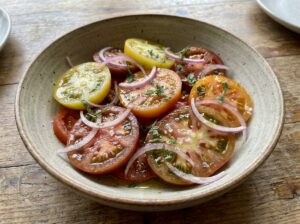
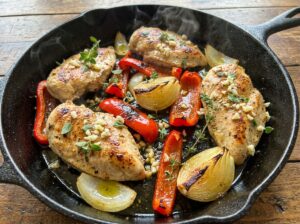
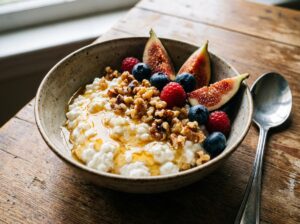
I once heard a famous chef say that “we eat with our eyes first,” and nothing proves that more than a colorful Mediterranean Veggie Rice Plate! Did you know that diets rich in plant-based Mediterranean staples can actually improve your mood and energy levels by up to 30%? Honestly, I used to think rice was just a boring side dish until I started piling it high with roasted chickpeas, tangy feta, and that signature garlic tahini drizzle. It’s a total game-changer for your Tuesday night dinner rut!
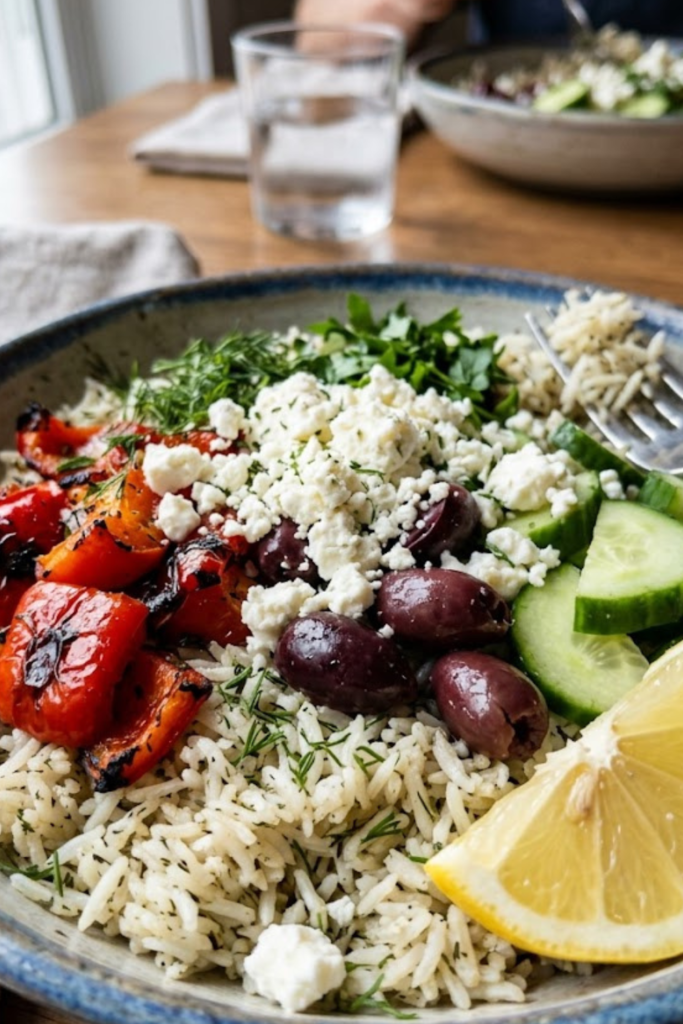
Choosing the Best Grains and Greens
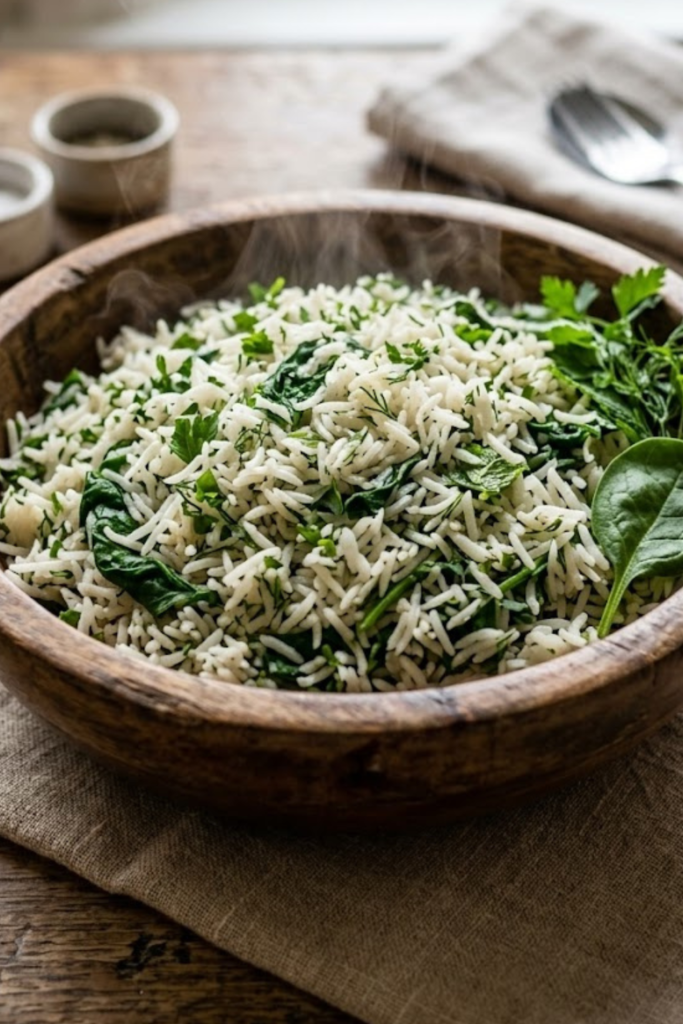
I used to think rice was just… well, rice. But when you are making a Mediterranean Veggie Rice Plate, the base is everything. If you pick the wrong grain, the whole dish feels heavy or soggy. I’ve spent a lot of time experimenting in my own kitchen, and I’ve found that a long-grain Basmati is usually the winner because the grains stay separate and fluffy. If I’m feeling like I need more fiber, I’ll swap in quinoa, but you have to be careful not to overcook it or it gets mushy.
One thing I started doing a few years ago was tossing my greens directly into the warm rice. I don’t cook the spinach or arugula; I just fold it in right before serving. The heat from the rice wilts the leaves just enough so they are tender but still have that fresh, peppery bite. It’s a great way to sneak in extra vegetables without feeling like you are eating a giant salad.
When it comes to the great debate of Basmati vs. Quinoa, it really depends on your mood. You should choose Basmati for a traditional fluffy texture that feels like a classic restaurant meal. On the other hand, quinoa is great if you want an extra protein boost and a nuttier taste. Just remember that quinoa needs a bit more attention so it doesn’t turn into a clump.
I can’t stress enough how important washing your grains is for the perfect plate. You should always rinse your rice in cold water until the cloudiness is gone. This simple step stops the grains from sticking together and makes sure your rice isn’t gummy. It takes an extra minute, but it makes a huge difference in how the meal feels in your mouth.
Adding greens is my favorite trick for a vibrant bowl. I like to fold in a handful of fresh baby spinach or arugula while the rice is still hot to add color and nutrients. The steam does all the work for you, so you don’t have to get another pan dirty. It makes the whole dish look much more professional and keeps the greens from tasting bitter.
Finally, you have to think about seasoning the base right from the start. Don’t just use plain water if you can help it. I like to use vegetable broth or add a pinch of salt and a squeeze of lemon to the pot for better flavor. It infuses the grain with taste so that even the bottom of your bowl is delicious.
Roasted Veggies with Mediterranean Spices
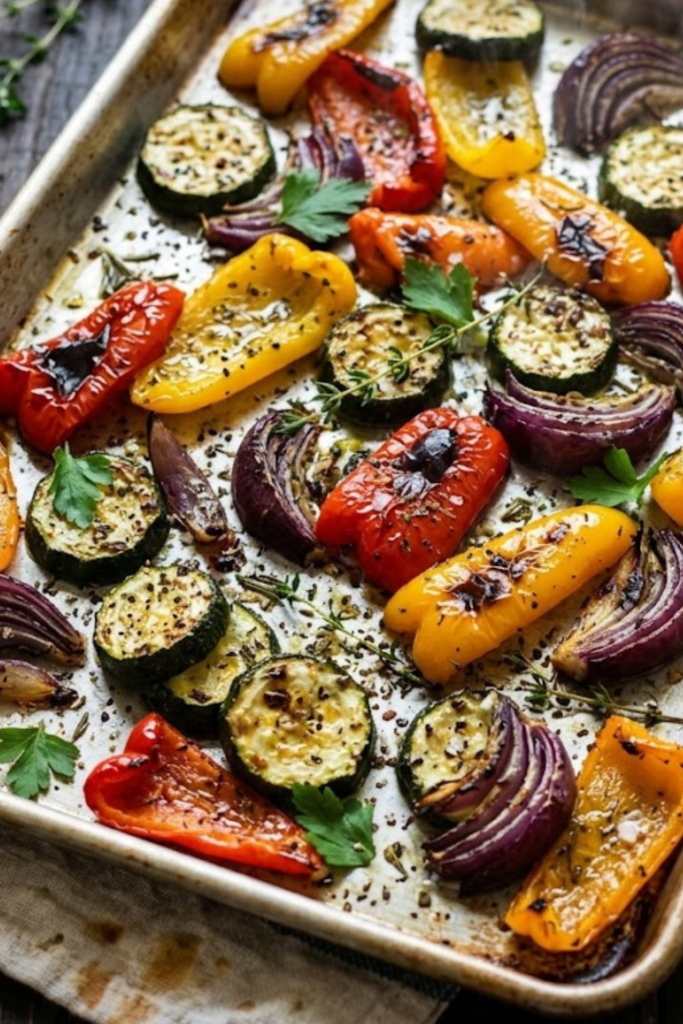
When I first started making these plates, I’ll be honest—I just threw the vegetables in a pan and hoped for the best. They usually came out kind of soft and sad. But I’ve learned that the secret to a really good Mediterranean Veggie Rice Plate is getting that perfect char on your roasted veggies. You want them to have those little dark edges because that’s where all the flavor lives.
I usually chop up zucchini, red onions, and bell peppers into bite-sized chunks. I’ve found that if you crowd the pan too much, the veggies just steam instead of roasting. Give them some space! I also like to add chickpeas to the tray. When they roast alongside the vegetables, they get a little bit crunchy, which adds a nice texture change from the soft rice. It’s like getting a little surprise crunch in every single forkful, and it makes the meal feel way more satisfying than just a pile of soft food.
Don’t be afraid of high heat when you are looking for that perfect char. I usually set my oven to 425°F (220°C) to get that caramelized finish on the edges of the zucchini and peppers. If you go too low with the temperature, the veggies just sit there and lose their bright colors. You want them to sizzle the moment they hit the pan so the outside gets crisp while the inside stays juicy.
Having a good spice blend ready to go makes the process much faster. I always keep a jar of dried oregano and smoked paprika handy on my counter. If you can find sumac at the store, grab it because it has a tiny bit of a lemony zing that really makes the red onions pop. I usually toss everything in a big bowl with the spices first to make sure every nook and cranny is covered before they hit the baking sheet.
Getting the oil coating right is a bit of a balancing act. You should make sure every piece of vegetable has a light coating of extra virgin olive oil. If they are too dry, they won’t brown right and will just look shriveled. But be careful, because if they are swimming in oil, they’ll just get greasy and heavy. I like to use my hands to mix them so I can feel that everything is lightly glistening.
One thing people often overlook is the salt, but you really shouldn’t forget it. Season them well before they go in the oven. The salt helps pull the moisture out of the zucchini and onions so they can brown better instead of just boiling in their own juices. I also like to add a crack of black pepper at this stage to build up layers of heat.
If you have some extra room on your tray, try adding some halved cherry tomatoes during the last ten minutes of roasting. They get all blistered and sweet, acting almost like a natural sauce for your rice. This method has saved so many of my weeknight dinners because it’s mostly hands-off time once the tray is in the oven. Plus, the smell of roasting garlic and oregano filling up the kitchen is probably the best part of the whole day.
The Secret is in the Sauce: Tahini and Garlic
I’ll be the first to admit, I used to just buy the pre-made dressing from the store because I was scared of making my own. I thought you needed a blender and a lot of fancy tools. But one day, I ran out and decided to just whisk some tahini and lemon in a small bowl. It actually turned into a thick, weird paste at first, and I almost threw it out! Then I learned that if you just keep adding a tiny bit of warm water and keep whisking, it turns into this smooth, creamy dream. Now, I never make a Mediterranean Veggie Rice Plate without it. The nutty flavor of the tahini mixed with a lot of fresh garlic really brings the whole bowl together. It’s like the glue that holds the rice and the roasted veggies in one perfect bite.
To get that creamy texture, start by mixing your tahini and lemon juice. If it gets thick or looks like it “seizes” up into a clump, don’t panic like I did the first time. Just add a teaspoon of warm water at a time and keep stirring until it becomes smooth and pourable. The warm water is really the trick here because it helps the fats in the sesame paste relax so you get that velvet-like finish.
I really love a strong garlic punch, so I usually use two fresh cloves of garlic pressed right into the sauce. It gives the plate a bit of a spicy kick that cuts through the richness of the tahini. If you prefer a more mellow taste or have a long day of meetings ahead, you can roast the garlic with your veggies first. Once it’s soft, just mash it into the sauce with a fork for a much sweeter, subtle flavor.
A good sauce needs a balanced flavor that hits all the right notes of fat, acid, and salt. I always taste a little bit on a spoon before I pour it over my meal to see if it needs more zing from the lemon or a tiny bit more salt. If the tahini you are using is a bit bitter, a tiny drop of honey or maple syrup can help round things out. It’s your sauce, so feel free to play around until it tastes exactly how you like it.
One of the best parts about this dressing is the storage. You can make a big batch of this on a Sunday and keep it in a glass jar in the fridge for about a week. It’s great on salads or even as a dip for pita bread when you need a quick snack. If it thickens up too much while sitting in the fridge, just stir in another splash of water before you use it. Having this ready to go makes putting together a healthy lunch so much faster during the busy work week.
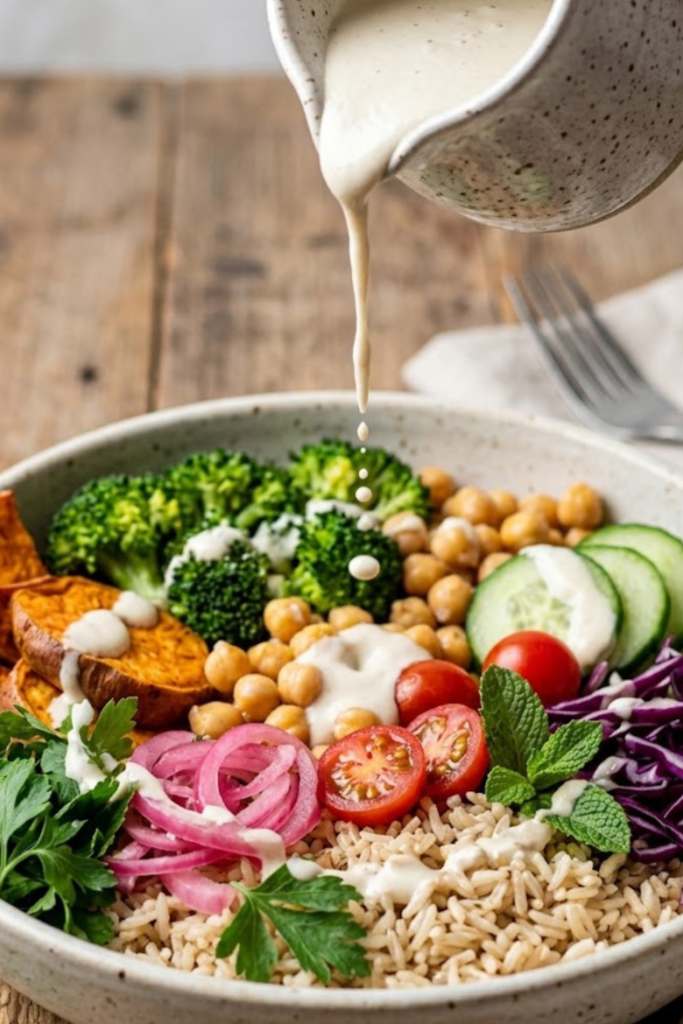
Building a Mediterranean Veggie Rice Plate is all about balance, color, and a whole lot of lemon juice! I’ve learned over the years that you don’t need to be a professional chef to make something that looks and tastes this good. Whether you are meal prepping for the week or just trying to get a healthy dinner on the table after a long day, these fresh ingredients never disappoint. It’s become a total staple in my house, and I hope it becomes one in yours too. Don’t forget to snap a photo of your beautiful creation before you dig in! If you loved this recipe, please save it and share it on Pinterest!