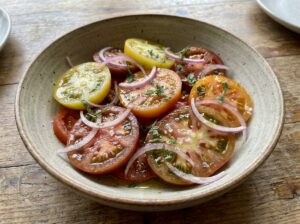
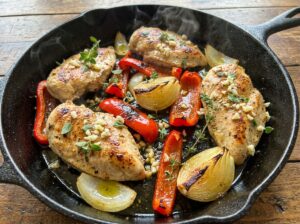
Did you know that studies from 2025 show people who eat a Mediterranean-style diet often report 25% higher energy levels throughout the day? I honestly used to think “healthy” meant “boring,” but this Mediterranean Veggie Pasta Plate changed my whole outlook! It’s fast, it’s vibrant, and it tastes like a vacation in a bowl.
I remember those long days at the school where I’d come home and just want to order a big, greasy pizza because I was way too tired to even think about chopping a single carrot. But honestly, once I started making this Mediterranean Veggie Pasta Plate, that heavy afternoon slump I used to get basically disappeared. You don’t need a bunch of fancy tools or hours of prep work to make something that actually makes you feel good. It is so colorful and bright that even the pickiest eaters at my table usually ask for seconds, which feels like a total miracle some nights. I’m telling you, if you need a quick win for a busy weeknight, this is the meal that will save your sanity and your stomach. Let’s get cooking!
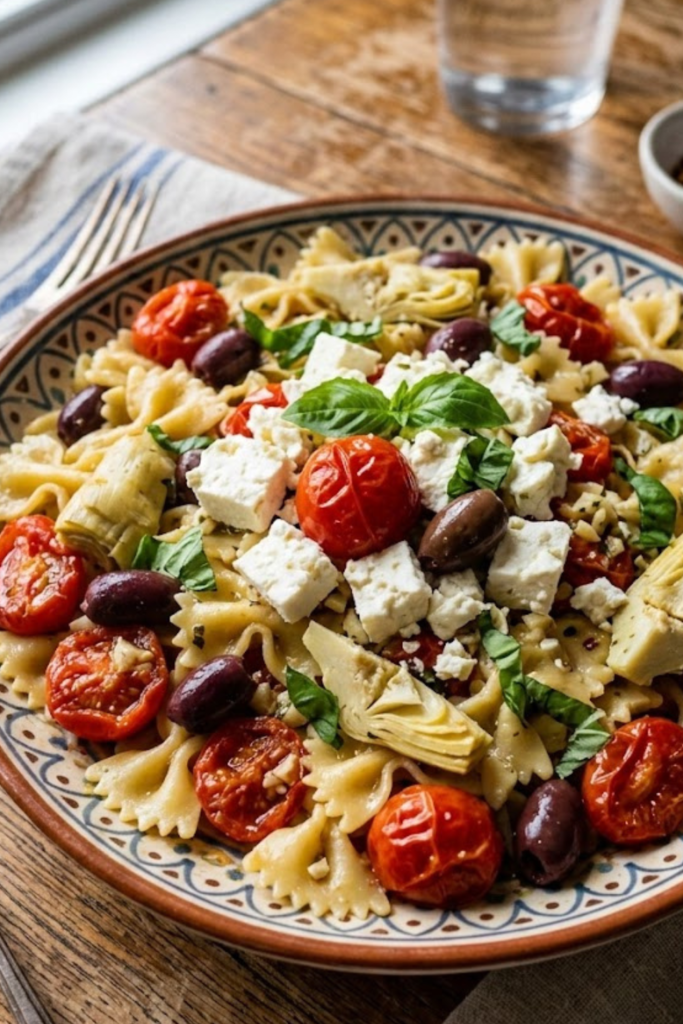
The Best Ingredients for Your Mediterranean Veggie Pasta Plate
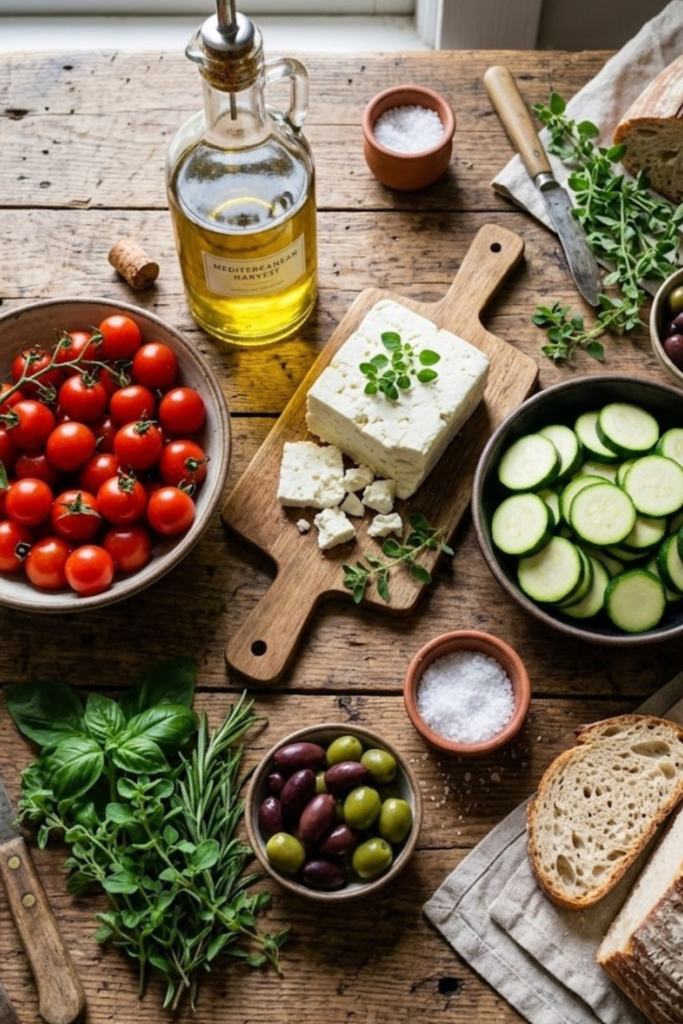
I’ve spent a lot of time in the kitchen teaching folks how to cook, and if there’s one thing I’ve learned, it’s that your ingredients are your best friends. For a killer Mediterranean Veggie Pasta Plate, you can’t just grab the first things you see on the shelf. I remember one time I tried to use those canned, pitted black olives that come in a tin. It was a total disaster! They tasted like nothing but salt and metal, and they made the whole dish look kind of gray and sad.
Now, I always tell my students to head straight for the deli counter or look for the glass jars. Look for those big, juicy Kalamata olives. They have a deep, wine-like richness that makes the Mediterranean Veggie Pasta Plate really stand out. Also, don’t skimp on the olive oil. You want the “extra virgin” kind that smells fresh and green. It’s basically the glue that holds all these flavors together and makes the dish feel rich without being heavy.
Choosing the right pasta shape is also a big deal. I usually go for fusilli or rotini. Those little spirals are perfect because they catch the bits of feta and herbs in every bite. If you use a flat pasta, everything just slips to the bottom of the bowl, and that’s no fun. You want a shape that can actually hold onto the goodies so you get a perfect mix on your fork every time.
When you are picking out your veggies, start by checking the cherry tomatoes. They should feel firm and should not feel mushy when you give them a tiny squeeze. If they are too soft, they will just turn into a watery mess in the pan. You want them to stay whole just long enough to get warm and sweet. This adds a great pop of flavor to the Mediterranean Veggie Pasta Plate.
For the zucchini, you want to find bright green ones that do not have any soft spots or nicks. I like to pick the smaller ones because they usually have more flavor and fewer seeds. This helps the dish stay light and prevents it from getting soggy. Using fresh, crisp zucchini is one of the best ways to keep the meal feeling healthy.
Finally, do not forget to check the red onions. Pick the ones that feel heavy and have tight, papery skin. If the skin is loose or peeling, the onion might be getting old and losing its bite. It’s these simple picks that make your Mediterranean Veggie Pasta Plate taste so fresh and vibrant. When you use good stuff, you don’t have to do much work to make the meal taste great!
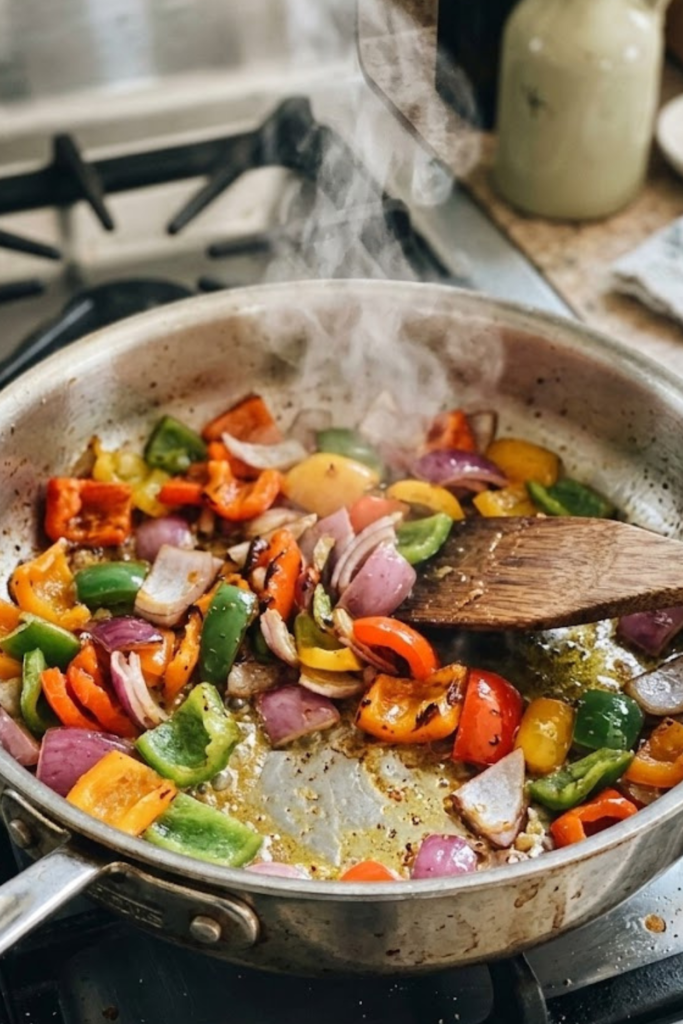
My Epic Kitchen Fails: Learning to Sauté Mediterranean Veggies
Let me tell you, I wasn’t always a pro in the kitchen. Early on, I thought “sauté” was just a fancy word for “cook it until it can’t fight back.” I once made a Mediterranean Veggie Pasta Plate where the zucchini was so limp it looked like wet cardboard. My family ate it because they’re nice, but the look on their faces was pure pity. It was a mushy mess!
The secret I found through a lot of trial and error is high heat and short timing. You want those veggies to hit a hot pan and really sear. This keeps the inside snappy while the outside gets a bit of char. I usually throw the red onions in first since they take the longest to get soft. Then come the bell peppers and finally the zucchini. If you put them all in at once, the zucchini turns to mush before the onions are even close to being done.
I also messed up the garlic more times than I can count. I used to throw it in at the start with the oil, and it would burn and get bitter in like thirty seconds. Now, I wait and add it during the last minute of cooking. It’s a total game-changer for the Mediterranean Veggie Pasta Plate. Just wait until you smell that garlic hitting the hot olive oil—it’s like magic! Also, keep an eye on your cherry tomatoes. You want them to just start to pop their skins so they release a little juice, but you don’t want them to disappear into a soup.
Avoid the Soggy Mess
If your pan is too crowded, your veggies will just steam in their own moisture instead of frying. Use the biggest skillet you have. If you have to, cook the veggies in two batches. This keeps everything bright and beautiful for your Mediterranean Veggie Pasta Plate instead of turning it into a soggy pile of brown stuff.
Quick Variations for a High-Protein Veggie Plate
Sometimes, you need a meal that really sticks to your ribs. While the base Mediterranean Veggie Pasta Plate is super filling, I have days where I feel like I could eat a horse! As a teacher, I’m on my feet all day, so I started looking for ways to add more protein without just throwing a chicken breast on top. I wanted to keep it vegetarian but still feel satisfied.
Roasted chickpeas are my absolute go-to for adding a bit of crunch and extra fiber. I just drain a can, pat them dry with a paper towel, and toss them in the air fryer with some smoked paprika and a tiny bit of salt. When you sprinkle those over your Mediterranean Veggie Pasta Plate, they act just like croutons but they are way better for you. They give you that extra boost of plant-based protein that keeps your stomach from growling an hour after dinner.
If you want something that feels a bit more fancy for a weekend night, I highly recommend trying grilled halloumi. If you’ve never had it, halloumi is this salty cheese that doesn’t melt into a puddle when you heat it up. You just slice it and sear it in a hot pan until it has those pretty brown grill marks. It has a much heartier texture than feta. Putting a few slabs of that on your Mediterranean Veggie Pasta Plate makes the whole thing feel like an expensive meal you’d get at a bistro.
You can also swap out the regular noodles if you want to be extra healthy. I’ve started using chickpea or lentil pasta more often lately. It tastes pretty much like the regular kind if you don’t overcook it, but it has way more protein and fiber to keep you going. Just be careful with the cooking time because lentil pasta goes from being perfect to a pile of mush in about thirty seconds! I usually set my timer for two minutes less than the box says just to be safe.
Finally, don’t overlook the power of adding some nuts or seeds. A quick handful of toasted pine nuts or even some crushed walnuts adds healthy fats and a bit of protein too. It provides a nice earthy flavor that balances out the tangy feta and the lemon. It is such a simple way to upgrade your Mediterranean Veggie Pasta Plate without having to spend all night standing over the stove.
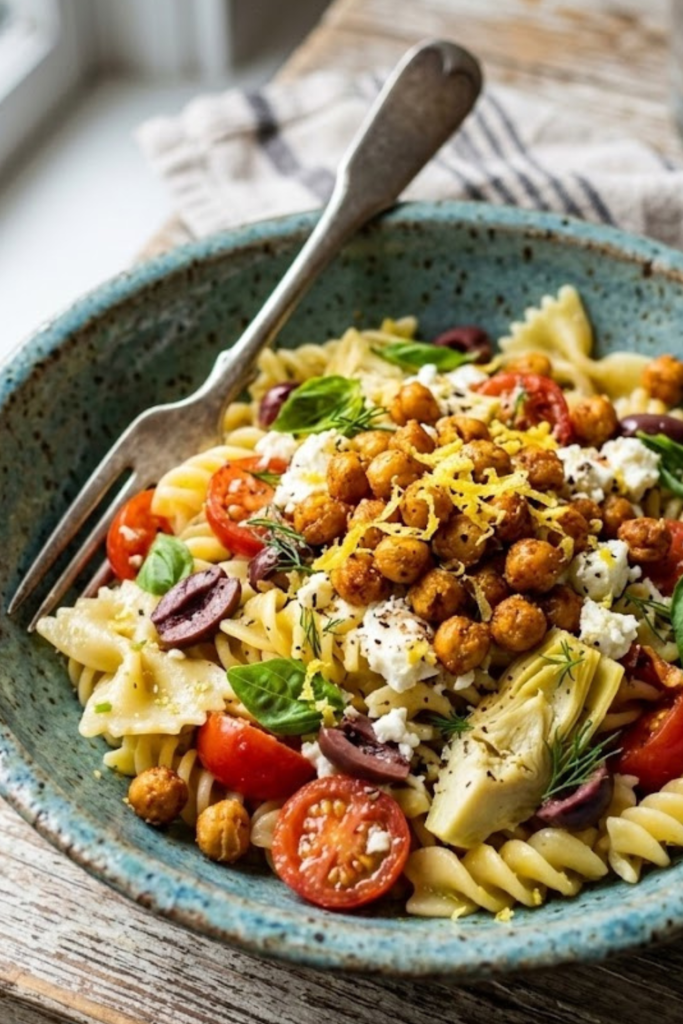
I really hope this Mediterranean Veggie Pasta Plate brings as much joy to your dinner table as it does to mine! It’s such a simple, fresh meal that makes you feel good after you eat it, which is something I always tell my students is the goal of a good recipe.
To wrap things up, just remember the big lessons I learned the hard way. Get the good feta in the brine, don’t crowd your pan when you’re cooking those veggies, and always add your garlic at the very end so it doesn’t burn. Whether you stick to the basic recipe or try out some of the protein boosters like roasted chickpeas or halloumi, you really can’t go wrong. Cooking is all about practice, and even if your first plate isn’t perfect, it’ll still taste way better than a frozen dinner!
If you loved this recipe or if it helped you get a healthy dinner on the table in record time, please save it and share it on Pinterest! It helps other people find these veggie-packed meals, and I’d love to hear how yours turned out. Happy cooking!