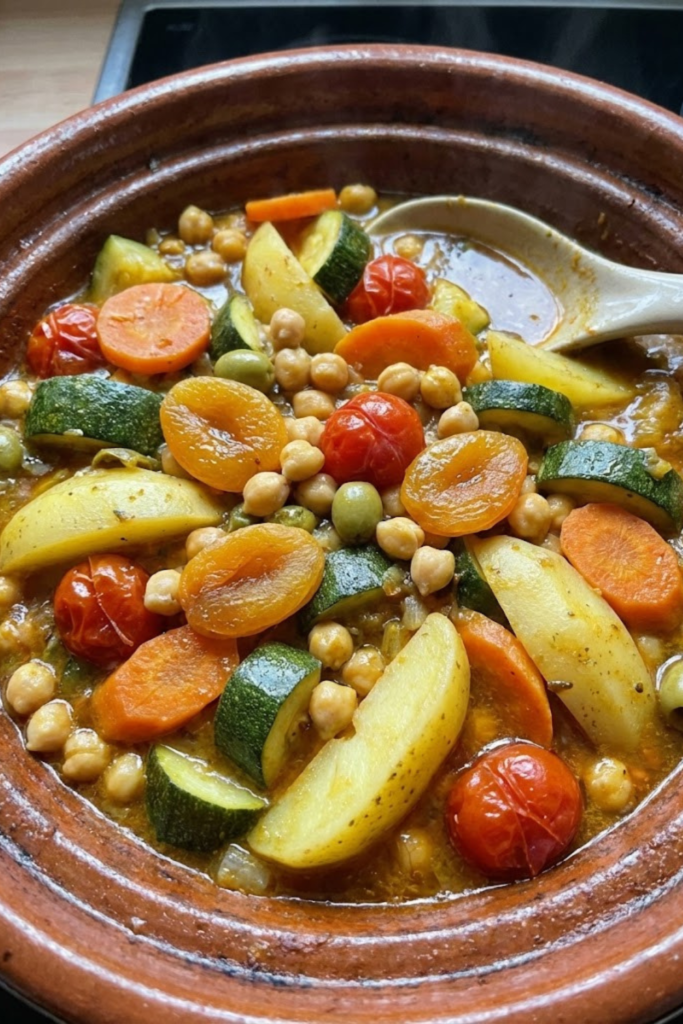
You know that feeling when you just need a huge, warm hug in a bowl? That was me last Tuesday! It was raining sideways, I was tired, and I desperately needed something comforting but healthy. Enter the Mediterranean Vegetable Tagine. I remember the first time I tried to make this dish years ago; I didn’t even own a tagine pot! I used a heavy Dutch oven, and you know what? It still tasted like magic. There is something undeniably special about the way root vegetables, sweet apricots, and savory chickpeas slowly simmer together in that rich, spiced tomato sauce.
In this article, I’m going to walk you through exactly how to make this vibrant dish at home. Whether you have a fancy clay pot or just a trusty soup pot, you can pull this off! We are going to explore the perfect spice blend that gives it that authentic kick and the secret to keeping your veggies from turning to mush. Let’s get cooking!
The Magic of the Tagine Pot (And What to Use If You Don’t Have One)
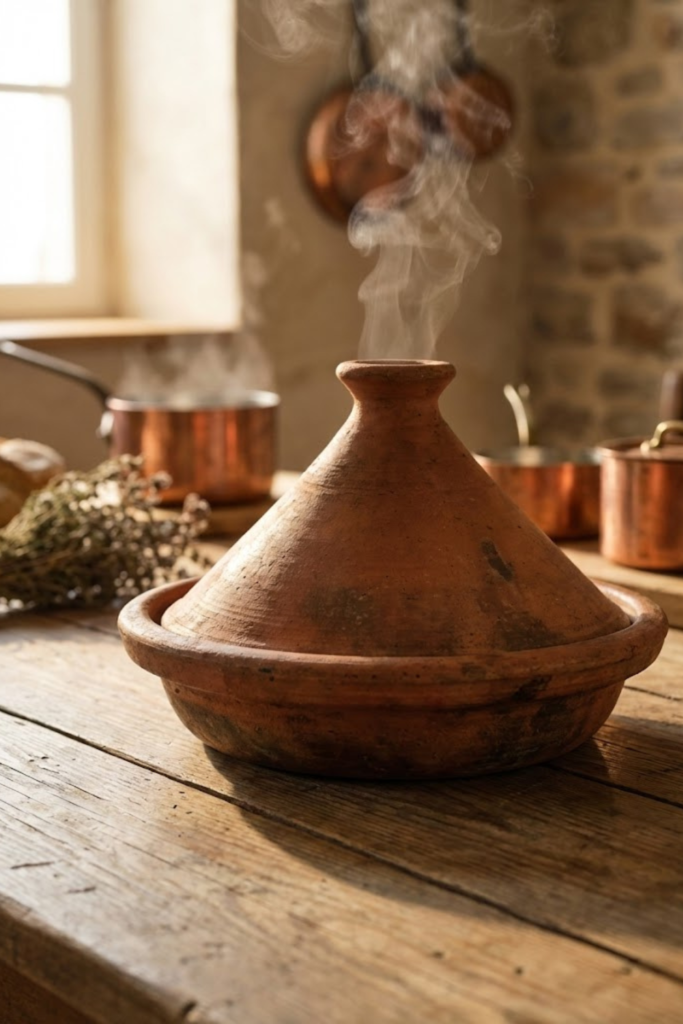
I remember the first time I saw a real clay tagine in a little kitchen shop. I was totally confused! I thought, “How do you even fit a whole meal in that pointy thing?” My husband actually laughed at me because I kept turning it over like a puzzle. But once I got it home and started playing around with it, I saw the magic. It’s not just a pretty dish for your table; it is a super smart way to cook your Mediterranean vegetable tagine. It really changes how the food tastes.
Why the Pointy Lid Matters
The whole secret is in that cone-shaped lid. When you are cooking, the steam rises up to the top of the cone. Because the top is further away from the stove, it stays a bit cooler. The steam turns back into water droplets and runs right back down the sides, right onto your vegetables. It is like a little rainstorm inside the pot that keeps everything super moist. You don’t have to keep adding water, which means the flavors stay really strong. My carrots always come out so much sweeter in the tagine than they do in a regular frying pan. It’s pretty cool how it works without any fancy tech!
No Tagine? No Problem!
Now, don’t go running out to buy a new pot if you don’t have one yet. I cooked for years without owning one. You can use a heavy Dutch oven or even a deep skillet with a really tight lid. The main thing you want is something that holds heat well. If you use a Dutch oven, the veggies might cook a little faster, so you gotta keep an eye on the pot. Just make sure the lid fits tight so that the steam doesn’t escape. That is the key to getting that tender, melt-in-your-mouth texture that makes this stew so good.
Treating Your Clay Pot Right
If you do decide to get a real clay one, there are a couple of things I wish someone told me at the start. First, don’t put a cold pot on a super hot burner, or it might crack. I actually cracked my first one because I was in a big rush—it was a total bummer. Use a heat diffuser if you have a glass stove. Also, don’t scrub it with heavy soap. The clay is porous, so it kind of “remembers” the flavors of your past meals. Anyway, whether you use a fancy pot or your favorite soup pot, the goal is the same: slow and steady heat!
Essential Ingredients for an Authentic Flavor Profile
Let’s talk about what actually goes inside the pot. Picking the right veggies is really half the battle when you’re making a Mediterranean vegetable tagine. I remember the first time I tried this; I just threw every vegetable I had in the fridge into the pot at the exact same time. It was a total disaster! My zucchini turned into literal mush before the potatoes were even close to being soft. You really want to pick things that can stand up to the heat and time.
The “Foundation” Vegetables
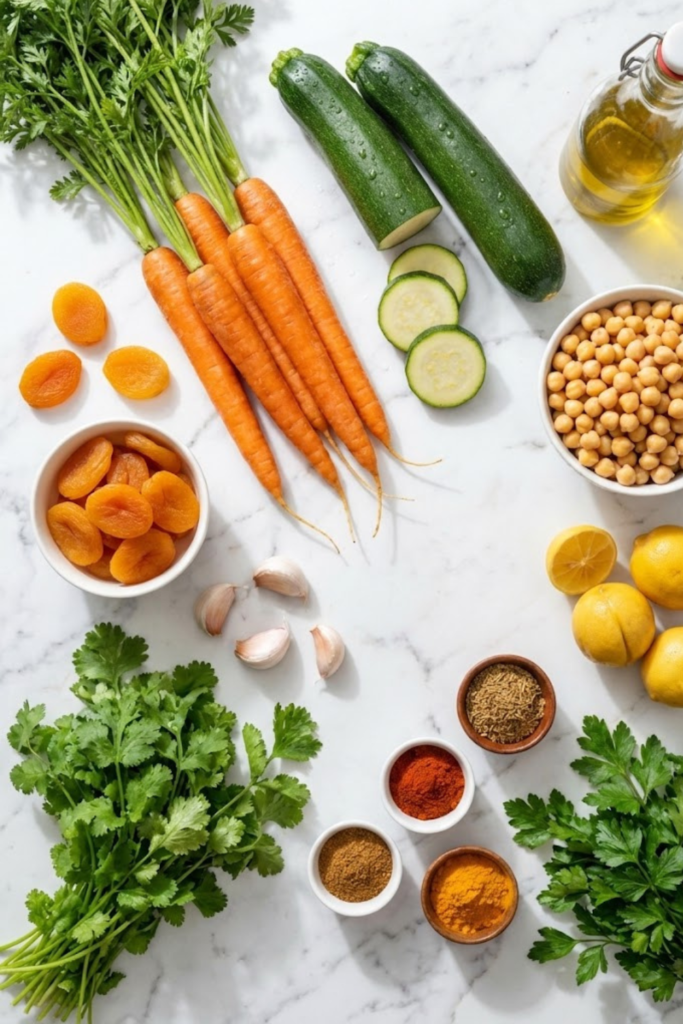
You have to start with the basics. Onions and garlic are a big deal here. They aren’t just for smell; they create the base flavor. For the main bulk of the meal, I love using carrots, potatoes, and sweet potatoes. These are like the workhorses of the dish. They soak up all that spiced sauce without falling apart. I usually chop them into pretty big, chunky pieces. This isn’t a delicate little soup; it’s a hearty stew that should feel filling. It is really helpful to keep the pieces around the same size so they finish cooking at the same time.
The Sweet and Salty Kick
This is the part that usually surprises my friends. Most people think of dinner as just being salty or savory, but this dish needs a little bit of sugar to be authentic. I always add a big handful of dried apricots or even some raisins. Trust me on this! They get all plump and juicy while they simmer in the sauce. To balance out that sweetness, you need something briny and salty. I use green olives or preserved lemons. If you can’t find those fancy preserved lemons at your local store, a little bit of fresh lemon zest and some extra salt works fine in a pinch. It gives the dish that “zing” that makes it taste special.
Protein and the Soft Stuff
Chickpeas are my favorite part of the whole thing. I just use the canned ones because, honestly, I don’t have time to soak dried beans overnight most days. Just rinse them off really well and toss them in. They add a great texture and make the meal feel a lot more substantial. Then, right near the end of the cooking time, I add the softer things like zucchini or bell peppers. If you put those in too early, they just vanish. You want to actually see those bright colors on your plate! I also like to throw in some frozen peas right at the very end. It makes the whole dish look fresh and pretty right before you serve it.
Mastering the Spice Blend: Ras el Hanout and Beyond
I always tell my friends that the spices are the soul of the Mediterranean vegetable tagine. If you get the spices wrong, it’s just a veggie soup, right? I remember my first trip to a spice market—the smell was so strong it actually made my eyes water a bit! But in a good way. It’s that deep, earthy smell that makes you feel like you’re actually traveling. If you want your house to smell like a five-star restaurant, you’ve got to get this part right.
The Mystery of Ras el Hanout
You might see this name in the grocery store and wonder what it is. In Arabic, it basically means “top of the shop.” It’s like the shop owner’s best mix of all their best spices. There isn’t just one recipe for it; some shops use twelve spices and some use fifty! Usually, it has things like cinnamon, cloves, and even rose petals sometimes. It’s what gives the tagine that “warm” feeling without being too spicy-hot. I always keep a big jar of it in my cupboard because it’s great on roasted cauliflower too. If you find a brand you like, stick with it!
Making Your Own Spice Mix
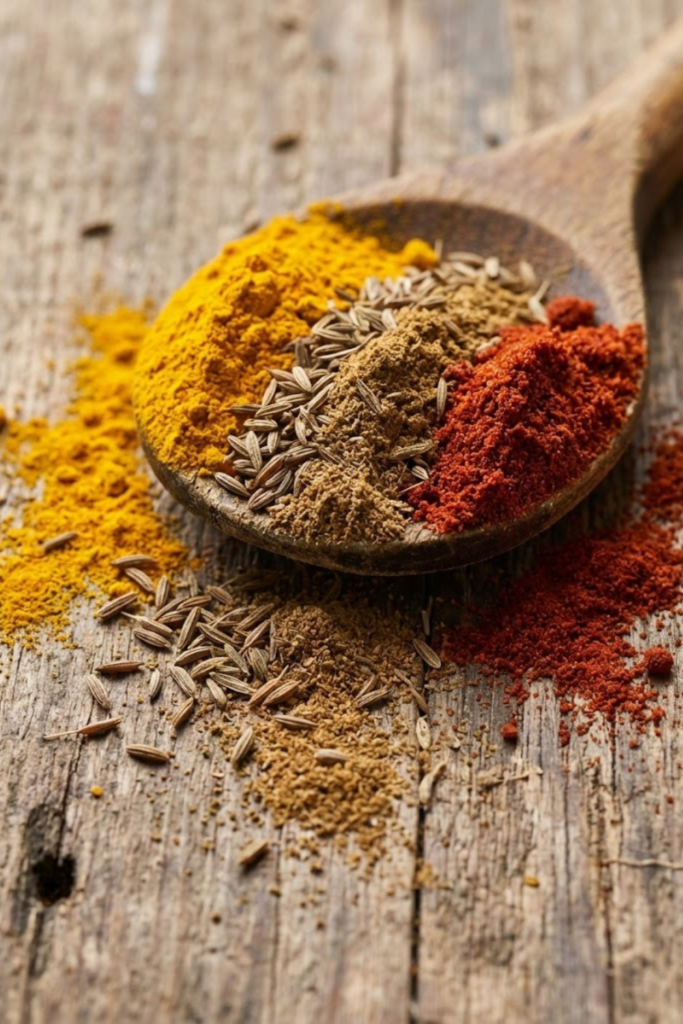
Now, if you can’t find that specific blend, don’t panic. You probably have everything you need in your pantry already. I usually mix up a big batch of my “emergency tagine spices” so I don’t have to open six jars every time I cook. Here is what I use:
- 2 teaspoons of ground cumin
- 2 teaspoons of ground ginger
- 1 teaspoon of turmeric (this makes it yellow!)
- 1 teaspoon of ground coriander
- Half a teaspoon of cinnamon
- A pinch of cayenne pepper if you like a little kick.
Just mix those together in a small bowl. When you cook, you want to fry these spices in the oil for about 30 seconds before you add the liquid. It makes the flavors “wake up” and smell amazing.
Finishing with Saffron and Herbs
If you’re feeling a little bit fancy, you can add a pinch of saffron threads. They are expensive, I know, so you don’t need much. Just soak them in a spoonful of warm water for a minute before pouring it in. It gives the sauce a beautiful golden color. And whatever you do, please don’t forget the fresh herbs at the end! I like to chop up a huge handful of cilantro and parsley. I stir half of it into the pot and sprinkle the rest on top. It makes the colors pop and adds a fresh taste that balances out the heavy spices perfectly.
Step-by-Step Instructions for the Perfect Stew
I’ve made this Mediterranean vegetable tagine dozens of times, and I still get a little excited when I start heating up the oil. It’s the easiest part of the day for me. You just have to follow a few simple steps, and you’ll have a meal that looks like you spent hours on it. My kids usually know I’m making this before they even walk in the door because the smell of the garlic and onions is so strong! It really fills up the whole house with a warm, cozy feeling.
Getting the Base Right
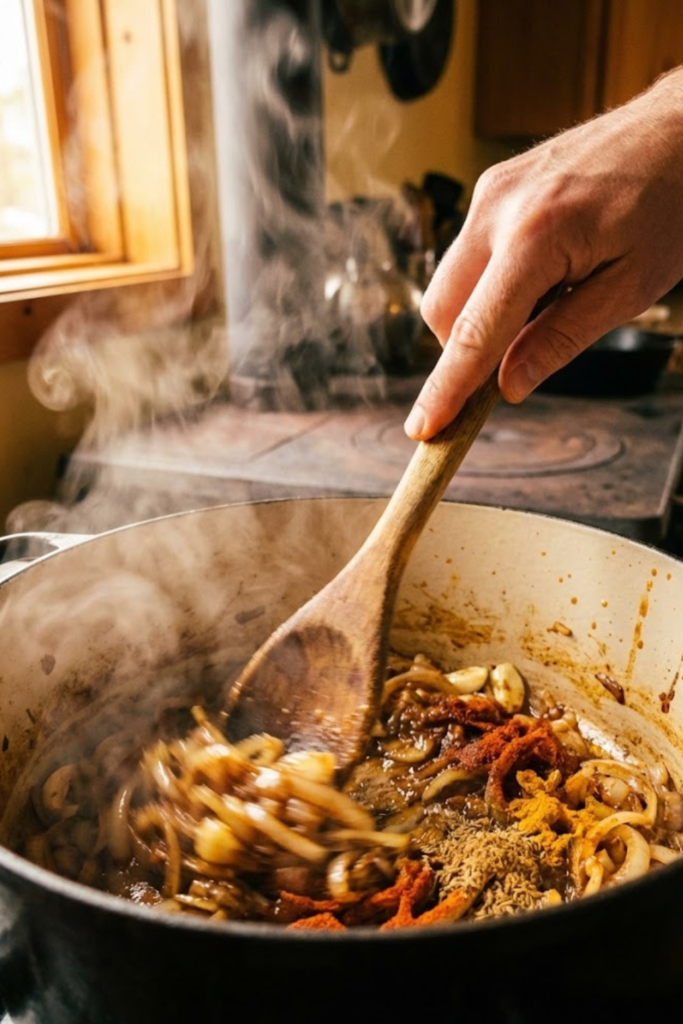
First things first, you need to get your aromatics going. I usually use a good glug of olive oil in my pot. Don’t be shy with it! Toss in your chopped onions and let them cook until they look a little bit clear and soft. This usually takes about five or six minutes. Then, I add the garlic. I like to use a lot of garlic—probably more than the recipe calls for—because it just makes everything better. Be careful not to burn it, though. Burnt garlic tastes bitter and can ruin the whole flavor of your stew. Just stir it around for a minute until you can really smell it.
Wake Up Those Spices
This is the part where people usually make a mistake. Don’t just pour the water or broth in right away. You want to “bloom” your spices. This just means you toss your spice mix right into the hot oil with the onions and garlic. Stir it for maybe thirty seconds or so. You will see the oil turn a dark, rich color and the smell will get ten times stronger. This helps the flavors get deep into the vegetables later on. It’s a small trick, but it makes a big difference in how the final dish tastes. I never skip this part now because the difference is huge.
The Stacking Secret
If you are using a real tagine, you want to layer your veggies in a specific way. I put the hard stuff like carrots and potatoes at the very bottom because they are closest to the heat. Then I stack the other stuff on top in a little mountain shape. If you’re using a regular pot, just make sure the heavy root veggies are mostly under the liquid. Add your broth, your canned tomatoes, and your dried fruit. I usually let it simmer on low for about 35 to 40 minutes. You want the sauce to get thick and the veggies to be so soft that a fork slides right through them. If it looks too dry, just add a splash more water. It’s pretty hard to mess up if you just keep the heat low and stay patient!
Serving Suggestions: What to Eat with Tagine
When I finally bring the pot to the table, my family usually has their forks ready before I even get the lid off! But I’ve learned that a Mediterranean vegetable tagine is even better when you have the right side dishes to go with it. You want something that can catch all that spicy, sweet sauce so none of it goes to waste. I remember the first time I ate this; I didn’t have any bread or grains, and I felt like I was missing out on the best part of the meal. Now, I always make sure there’s plenty of “soakers” on the table to help clean the plate.
Fluffy Couscous is the Classic Choice
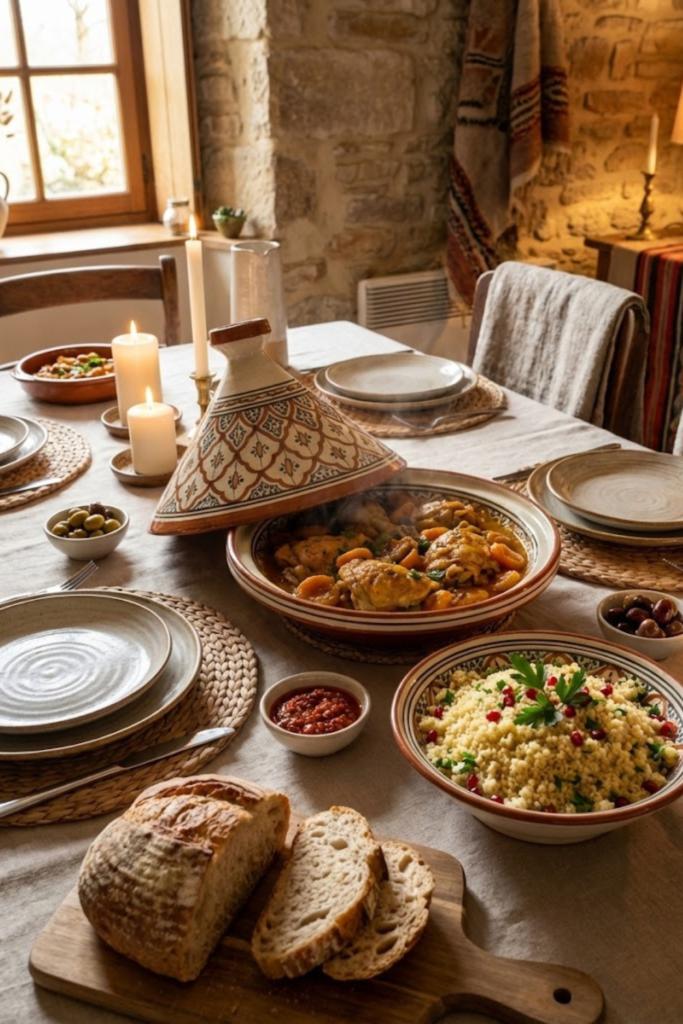
If you want to keep it traditional, you’ve got to serve this with couscous. I used to think it was hard to make, but it’s actually the easiest part of the whole dinner. One thing I learned early on is that you don’t really “cook” it on the stove like rice. I just put the dry grains in a bowl, pour some boiling water or hot veggie broth over it, and cover it with a plate. After five minutes, you just fluff it with a fork. It’s like magic! I like to stir in a little bit of butter or olive oil and some salt to keep it from sticking. It’s the perfect bed for the veggies and the sauce.
Bread for Scooping
If you aren’t in the mood for grains, bread is your best friend. In Morocco, they have this round bread called Khobz that is perfect for this. But honestly, I usually just grab a nice, crusty baguette. You want something with a tough crust and a soft middle. I like to tear off big chunks and use them to scoop up the chickpeas. It’s way more fun than using a fork, and it makes the meal feel really relaxed. My kids love eating with their hands, so bread is always a big hit at our house.
The Final Touch: Crunch and Freshness
Right before I serve, I like to add some texture. I usually toast a handful of sliced almonds in a pan until they smell nutty. Sprinkling those on top gives a nice crunch that goes great with the soft vegetables. You can also use sesame seeds if you prefer. To keep things from feeling too heavy, I often make a quick salad with chopped cucumbers, tomatoes, and a squeeze of lemon. It’s cool and crisp, which is a nice break from the warm, deep spices in the stew. It really completes the plate and makes it feel like a real feast!
I really hope you feel ready to give this Mediterranean vegetable tagine a try now. It is such a rewarding meal to make, especially on a Sunday afternoon when you have a bit of extra time to let it simmer and fill your house with those amazing smells. Every time I make this for my friends, they end up asking for the recipe, and I always feel a little bit proud to share it. It’s one of those dishes that looks very fancy but is actually very forgiving. If you don’t have a certain vegetable, you can just swap it for something else you have in the drawer. That is the beauty of this kind of cooking; it’s about what makes you feel good.
One of the best things about this stew is how it tastes the next day. I actually think it tastes even better after a night in the fridge! The spices have more time to really get into the vegetables, and the sauce gets even thicker. I usually make a double batch so I have lunch for work on Monday and Tuesday. It reheats really well in the microwave or in a small pot on the stove. Just add a little bit of water if it looks too thick. If you have extra sauce but no veggies left, it actually makes a really great base for a poached egg the next morning. It’s like a Moroccan-style breakfast!
If you are worried about the leftovers getting boring, you can change up the toppings each time. One day I might use almonds, and the next day I might use a bit of yogurt or even some spicy harissa paste if I want more heat. This dish is really a blank canvas for whatever you like. I’ve found that even people who aren’t usually big fans of vegetables end up loving this because the spices are so rich and flavorful. It doesn’t feel like “health food,” it just feels like a warm, satisfying hug.
Anyway, I’m so glad you stayed to read through all my tips. Cooking should be fun and not something that makes you feel stressed. I promise that once you try this, it will become a regular part of your dinner rotation. If you do make it, please take a quick photo of your beautiful pot! I’d love to see how it turned out for you. Please share it on Pinterest so other people can find this recipe and enjoy a cozy dinner too. Happy cooking!