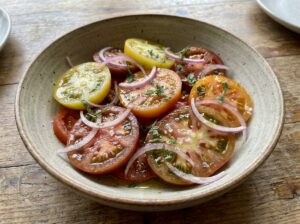
Did you know that the Mediterranean diet has been ranked the number one healthiest way to eat for six years in a row? It’s true! But honestly, I didn’t fall in love with it because of the statistics; I fell in love with the flavor. We are talking about a Mediterranean Lemon Chicken Dinner that is absolutely bursting with brightness. I remember the first time I tried combining fresh oregano with preserved lemons—it was a total game-changer for my palate! This dish isn’t just “healthy food”; it’s a vibrant escape to the Greek isles right from your own kitchen. Whether you are a pro chef or just trying to get food on the table, you are going to love this. Let’s get cooking!
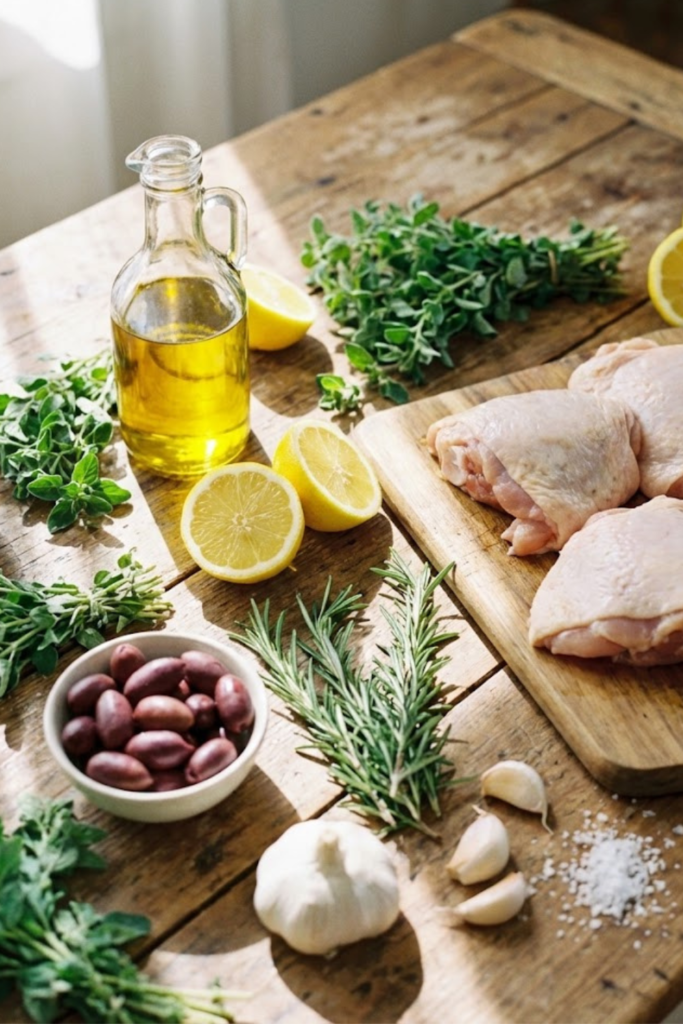
Gathering Fresh Ingredients for Authentic Flavor
You know, for the longest time, I thought I could get away with using that lemon juice from a little plastic squeeze bottle. Yikes. I learned the hard way that if you want a killer Mediterranean Lemon Chicken Dinner, you absolutely cannot cut corners on the fresh stuff. It’s funny how a few simple swaps turned my “meh” Tuesday night meal into something my family actually requests.+1
I remember standing in the grocery store aisle, staring at the price of extra virgin olive oil, wondering if it really mattered. Spoiler alert: it does. But let’s break down what you actually need to grab so you don’t waste money like I used to.
The Chicken Debate: Thighs vs. Breasts
Okay, let’s be real for a second. I have dried out more chicken breasts than I care to admit. It happens! That is why I almost exclusively use bone-in chicken thighs for this recipe. They are way more forgiving if you accidentally leave them in the oven a few minutes too long while wrangling the kids or pouring a glass of wine.+1
If you are strictly a white meat family, you can totally use breasts, but you gotta watch them like a hawk. Thighs just stay juicy and soak up that lemon garlic marinade way better. Plus, crispy skin on a chicken thigh? There is literally nothing better.
The Holy Trinity of Flavor
This dish lives or dies by three things: lemons, garlic, and oil. Please, I am begging you, put the jarred garlic back on the shelf. Taking five minutes to smash and peel fresh cloves is annoying, I get it, but the flavor payoff is huge.
- Lemons: You need actual, yellow lemons. The zest is where all the essential oils live, and you miss that completely with bottled stuff.
- Olive Oil: Use the good stuff. If it smells like crayons, toss it. You want a quality olive oil that smells grassy and peppery.
- Garlic: Smash it fresh. The sticky fingers are worth it.
Herbs and Veggies
Here is a mistake I used to make constantly: using ancient dried herbs. I once used a jar of dried oregano that had moved houses with me three times. It tasted like dust. Go buy a fresh jar of oregano and thyme; it makes the whole house smell like a Greek tavern.
For the veggies, I love throwing in cherry tomatoes and salty kalamata olives. The tomatoes burst in the oven and mix with the chicken juices to make this incredible sauce. It’s not rocket science, but when those flavors hit the hot pan, it feels like magic. Just keeps it simple and fresh, and you’re golden.
Mastering the Zesty Lemon Garlic Marinade
I gotta be honest with you, I used to think making a marinade just meant dumping a bunch of sour stuff in a bag and hoping for the best. Big mistake. There was this one time I left chicken thighs swimming in pure lemon juice overnight because I thought it would make them “extra zesty.”+1
When I cooked them the next day, the meat was mushy and tough at the same time. It was basically inedible. I learned the hard way that acid actually “cooks” the meat if you aren’t careful, kind of like ceviche. So, for this Mediterranean Lemon Chicken Dinner, we have to get the balance right or the texture is gonna be all wrong.
The Golden Ratio
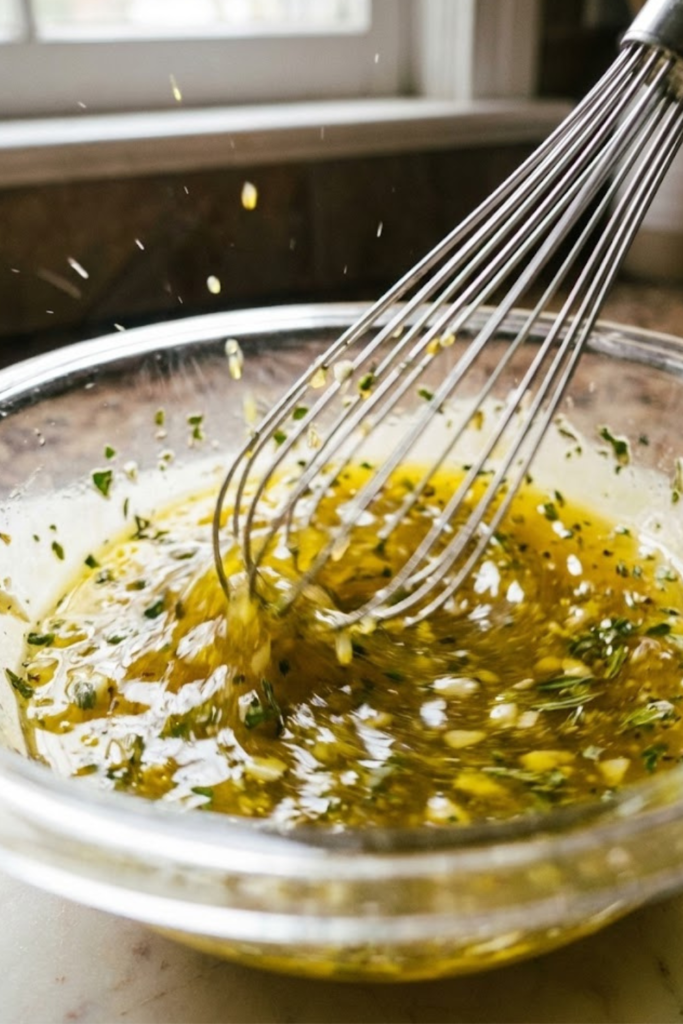
Here is the trick I wish someone had told me years ago. You need a lot more oil than lemon juice. I usually aim for three parts extra virgin olive oil to one part acid. This protects the meat while it soaks up flavor.+1
If you don’t use enough oil, that acidity attacks the chicken fibers too aggressively. It’s not pretty. When you whisk the oil and lemon juice together, it should look creamy and emulsified, almost like a salad dressing. That is when you know you are in business.
Patience Pays Off (But Not Too Much)
I am the queen of impatience, but you have to let this sit. If you just toss the sauce on and throw it in the oven immediately, the flavor just sits on top. It’s boring.+1
- 30 Minutes: This is the minimum. It gives the garlic and herbs a chance to say hello to the meat.
- Overnight: This is risky if your marinade is too acidic, but with the right oil ratio, it works.
Just don’t go over 24 hours. I did that once and the texture got weird again. Stick to the sweet spot of about 2 to 4 hours if you can manage the time management.
The Zest is Best
Okay, here is my biggest pet peeve. People squeeze the lemon but throw away the peel! The juice gives you the sour kick, but the lemon zest is where that floral, sunny aroma comes from. It is literally the best part.
But listen, you have to be gentle. If you grate down into the white part (the pith), it tastes bitter and nasty. Just get the bright yellow skin. I bought a rasp grater a few years back and it changed my life.+1
A Splash of Secret Sauce
Want to know how restaurants make this taste so deep? They usually add a splash of white wine to the marinade. It adds a complexity that lemon juice alone just can’t do. If you don’t do alcohol, a little chicken broth works too, but the wine really makes the flavors pop in the oven. It creates those amazing pan juices we all fight over later.
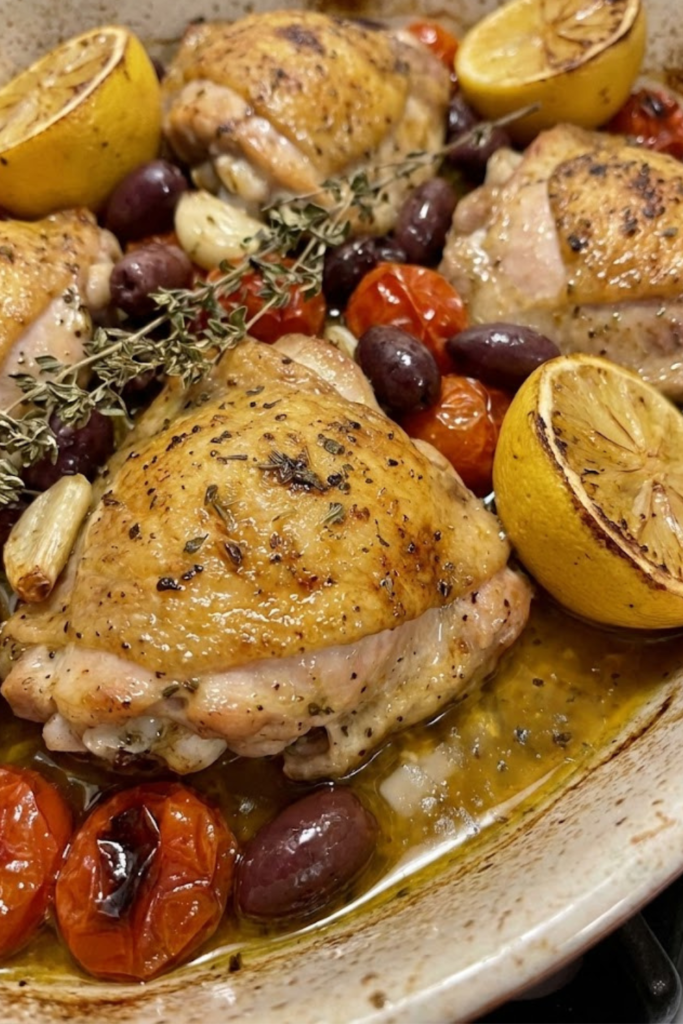
Roasting the Chicken to Golden Perfection
I have a confession to make: for years, my roasted chicken looked… sad. It was pale, the skin was rubbery, and it just didn’t look appetizing at all. I would see those photos in magazines with the deeply browned, crispy skin and wonder what kind of sorcery they were using.
It turns out, the secret isn’t magic; it is heat management. If you want that Mediterranean Lemon Chicken Dinner to look as good as it tastes, you cannot just shove it in a cold oven and pray. I learned that the hard way when I served “steamed” chicken to my in-laws. Embarrassing.
The Sear is Non-Negotiable
Here is the step I used to skip because I was lazy. You have to sear the chicken first. I know, it dirties another pan if you aren’t using a cast iron skillet (which you totally should be), but it is worth it.
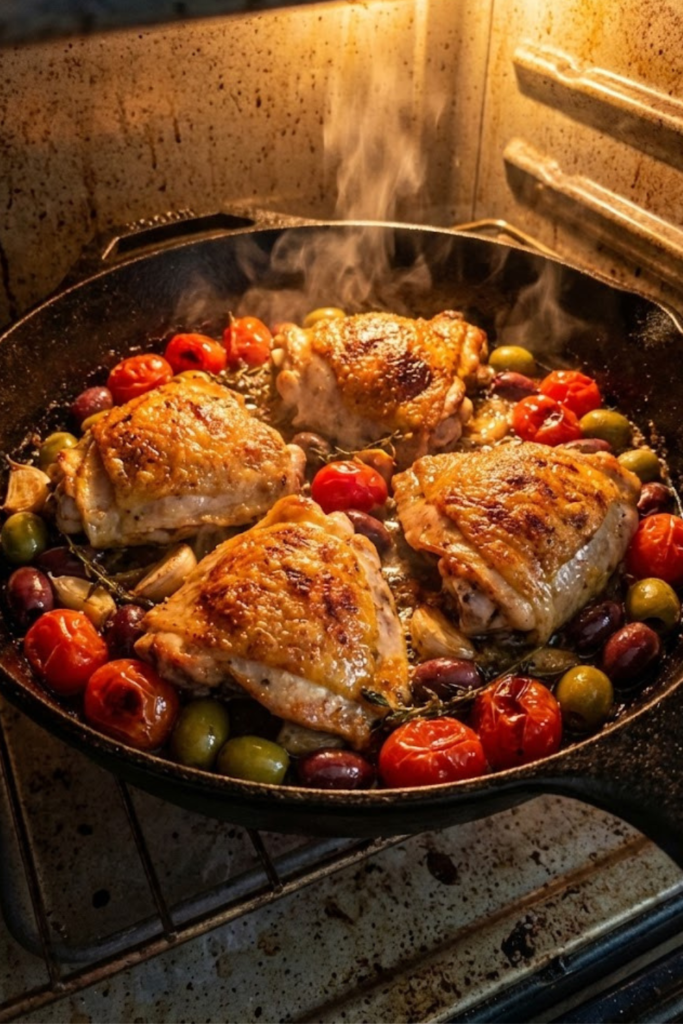
Place those thighs skin-side down in a hot pan and do not touch them. Seriously, let them be. I used to poke and prod them, and the skin would tear. Let the fat render out until the skin releases naturally from the pan. That is how you get that crispy chicken skin that everyone fights over at the dinner table.
Cranking Up the Heat
Once you have that beautiful sear, you need to roast hot. I used to roast at 350°F because I was afraid of burning things. Wrong move.
- 400°F (200°C) is the sweet spot. It finishes cooking the meat quickly so it doesn’t dry out, while keeping that skin crunchy.
- If your oven runs hot like my old apartment oven did, just keep an eye on it.
- The high heat also blisters the cherry tomatoes perfectly.
Basting: The Love Language of Chicken
Halfway through roasting, open the oven and give the chicken some love. Spoon those sizzling pan juices—the oil, the lemon, the wine—back over the meat. I forgot to do this once while watching a reality TV show, and the tops of the chicken got a little dry. Basting keeps everything moist and deposits even more of that garlic flavor right on top.
Stop Guessing, Start Measuring
Please, for the love of food safety, buy a meat thermometer. I used to be the person who would slice into the chicken to “check” if it was done. All the juice runs out! It is a tragedy.
Pull the chicken when it hits 165°F (74°C). Actually, I pull it at 160°F and let it rest, because the residual heat carries it over. That is a pro tip I picked up that stopped me from serving dry, chalky meat. Trust the numbers, not your eyes. When you nail this, your Mediterranean Lemon Chicken Dinner goes from “good” to “restaurant quality” instantly.
Pairing Sides to Complete Your Mediterranean Feast
You know what’s worse than a bad meal? A great main dish served with boring, afterthought sides. I used to be guilty of this. I would spend all this energy making a beautiful Mediterranean Lemon Chicken Dinner, and then just dump a bag of plain lettuce next to it. It was a total letdown.
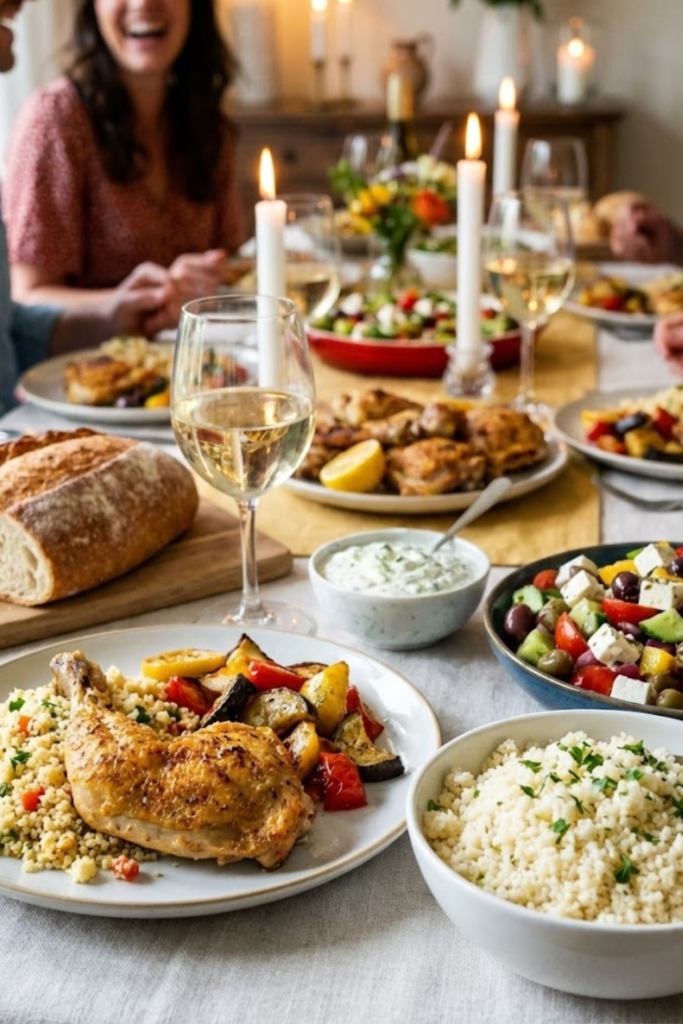
The sides are not just fillers; they are there to make the chicken shine. Over the years, I realized that the best Mediterranean tables are all about variety and texture. You want something to soak up the sauce and something cold to cut through the heat.
The Carb Conundrum: Couscous or Orzo?
I love potatoes, I really do. But when I am rushing to get dinner on the table, peeling potatoes feels like a chore. That is why fluffy couscous is my best friend. It literally takes five minutes. I used to mess it up by adding too much water, making it gummy.
Here is the trick: boil the water, add the couscous, cover it, and turn off the heat. Don’t touch it! Let it steam. If you want something heartier, orzo pasta works wonders too. It looks like rice but eats like pasta. It is perfect for scooping up those lemon-garlic pan juices that we worked so hard to create.
Fresh Crunch Factor
Since the chicken is warm, savory, and rich with oil, you need something crisp to balance it out. A classic Greek salad is the answer. But here is a mistake I made for years: I chopped the vegetables way too small.
- Go Big: Keep the cucumber and tomato chunks large. It stays crunchy longer.
- The Onion: If raw red onion is too spicy for you (it is for my kids), soak the slices in ice water for ten minutes. It takes the bite out completely.
The Dip You Can’t Skip
I used to buy that pre-made tzatziki sauce from the grocery store. It was… fine. But then I made it from scratch, and my mind was blown. The store-bought stuff often has weird thickeners in it.
Making it at home is easy, but there is one rule you cannot break: squeeze the cucumbers. I once skipped this step because I was lazy. The water from the cucumber seeped out and turned my beautiful dip into a runny, soupy mess. Wring that grated cucumber out in a paper towel until it is bone dry before mixing it with the yogurt. It makes a huge difference.
The Vessel for the Sauce
Finally, do not forget the bread. This might seem obvious, but I have forgotten to buy bread more times than I can count. You need crusty bread or warm pita to clean the plate. In my house, leaving that golden, lemony oil at the bottom of the skillet is considered a crime. Tear off a piece of baguette and go for it. It might actually be the best bite of the whole night.
Look, I know how crazy weeknights can get. Between work emails, homework, and trying to keep the house from looking like a tornado hit it, dinner is often the last thing on my mind. But that is exactly why this Mediterranean Lemon Chicken Dinner has a permanent spot in my rotation. It is not just about eating healthy; it is about actually enjoying what you eat without spending three hours in the kitchen.
When you pull that skillet out of the oven and the smell of roasted garlic and caramelized lemon hits you, it feels like a little victory. I really hope this recipe brings as much joy (and peace and quiet) to your table as it has to mine.
If you make this and love it, do me a huge favor? Pin this recipe on Pinterest so you can find it later and share the love with others who are stuck in a dinner rut. Let’s get everyone eating better, one lemon chicken thigh at a time.