“Let food be thy medicine and medicine be thy food.” That old Hippocrates quote still hits hard in 2026! I’ve spent years trying to find a lunch that doesn’t leave me wanting a nap by 2:00 PM, and honestly, nothing beats a Mediterranean Grain Salad. Did you know that people following a Mediterranean-style diet have a 25% lower risk of heart disease? That’s a huge stat!
I remember the first time I made this; I accidentally used way too much lemon and my face puckered up like a raisin. But hey, we learn by doing, right? This salad is all about vibrant colors, fiber-rich grains, and that salty kick from feta that makes your taste buds dance.
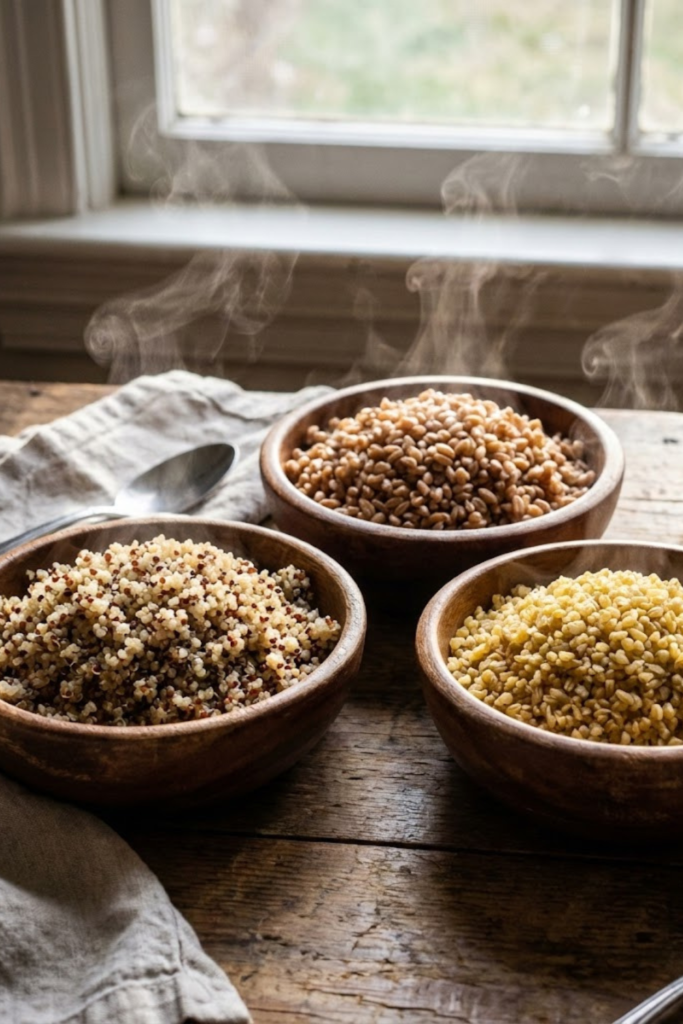
Choosing the Best Grains for Your Salad Base
I’ve spent a lot of time in my kitchen trying to get the base of my salads just right. Honestly, for a long time, I thought all grains were basically the same thing. Boy, was I wrong! If you pick the wrong grain, your whole Mediterranean Grain Salad can turn into a soggy pile of mush. I remember one time I tried using some overcooked white rice because it was all I had left in the pantry. It was terrible. The dressing made it all gummy, and I ended up just throwing the whole bowl away. Since then, I’ve learned that the texture of the grain is actually the most important part. You want something that can stand up to the lemon juice and oil without falling apart. You need a base that stays firm.
Farro is the King of Chew
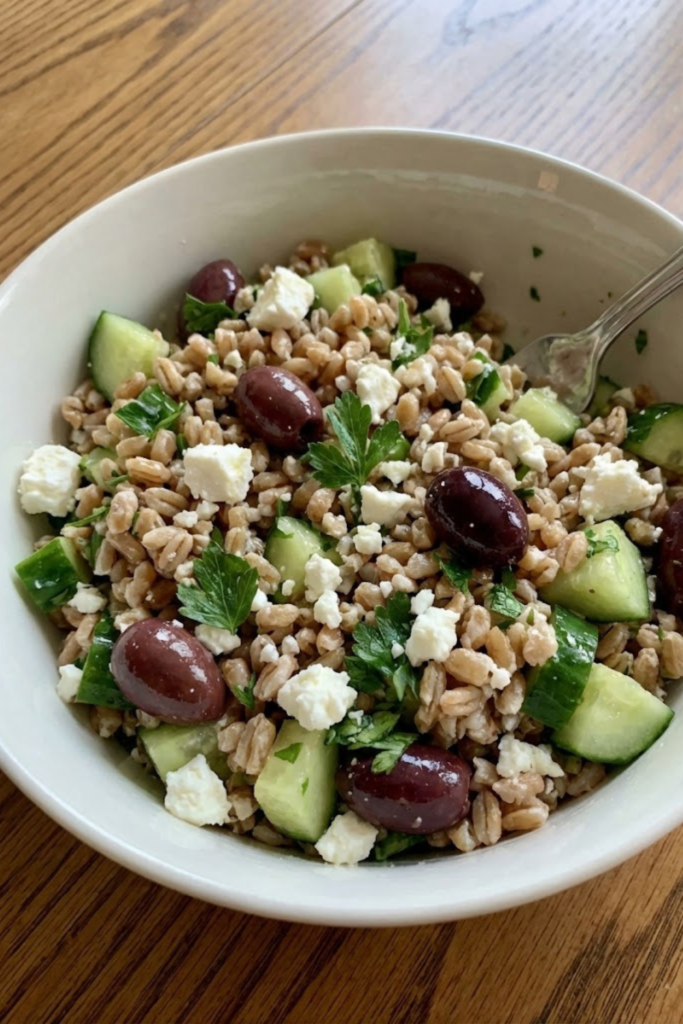
If you haven’t tried farro yet, you are really missing out. It is probably my favorite thing to put in a salad base. It has this nutty flavor and a really satisfying chew that doesn’t go away even after it sits in the fridge for a couple of days. I usually buy the “pearled” farro because it cooks a lot faster. It takes about 20 minutes to get it perfect. One thing I’ve learned is to toast the dry grains in a pan for a minute before adding water. It makes the flavor much better. It stays separate and doesn’t clump together, which is exactly what you want for this kind of recipe.
Quick Quinoa and Bulgur Options
Sometimes I don’t have 20 minutes to wait for farro to cook. That is when I reach for quinoa or bulgur. Quinoa is great because it’s full of protein, but it can be a bit tricky. If you don’t rinse it, it tastes like dirt. I found that out the hard way at a dinner party once! It was so embarrassing. Bulgur is even faster because you basically just soak it in hot water. It’s the stuff they use in Tabbouleh. It’s much lighter than farro, so it’s good for a hot summer day when you don’t want a heavy meal. Just fluff it with a fork so it stays light.
The Secret to Perfect Texture
The main goal here is to make sure every bite has some variety. I like to mix two grains sometimes if I’m feeling fancy. For example, mixing farro and chickpeas gives you a lot of different textures. Just make sure you don’t overcook whatever you choose. I always set my timer for two minutes less than what the bag says. You can always cook it more, but you can’t un-cook it once it’s mushy! Let the grains cool down on a flat tray before you add the veggies. If they are too hot, they will cook your cucumbers and make them soft. Cold grains are the way to go.
The Freshest Mediterranean Toppings and Textures
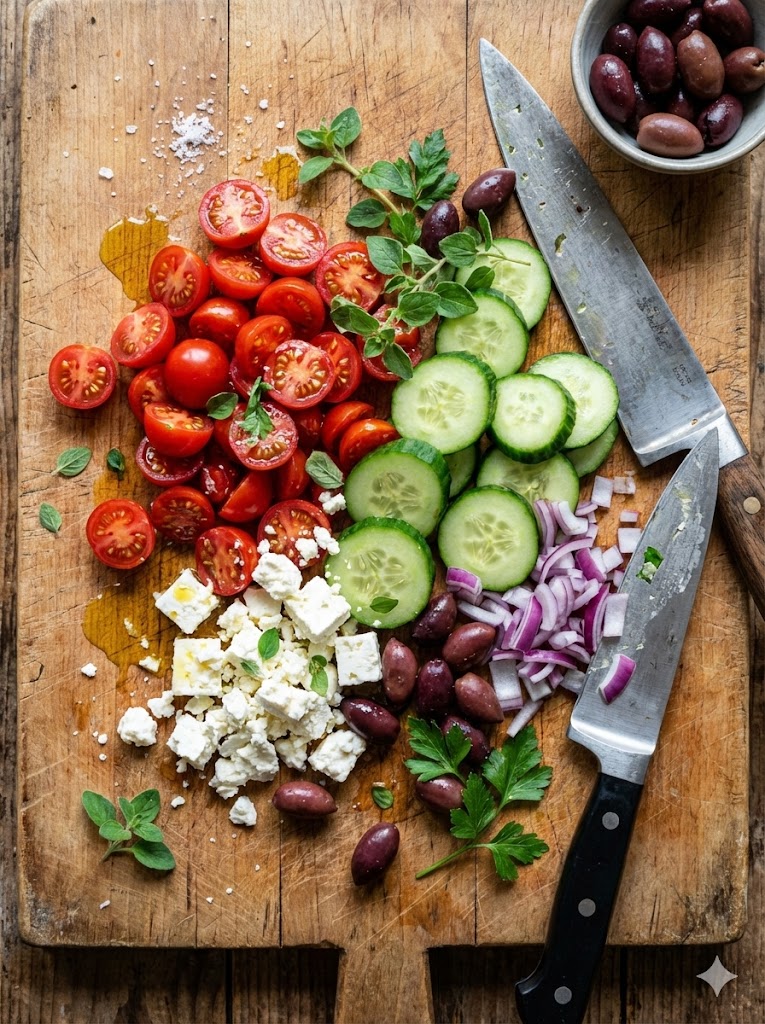
Once you have your grains ready, the next step for a perfect Mediterranean Grain Salad is all about the toppings. This is where the magic happens and where you get all that bright color. I used to think I could just throw in whatever was in the crisper drawer, but I learned that some veggies just work way better than others. You want a mix of textures—crunchy, creamy, and salty. If everything is the same texture, your mouth gets bored. I’ve made that mistake before by over-chopping everything into tiny bits, and it just felt like eating baby food. Keep things chunky enough to feel the crunch!
The Best Crunchy Vegetables
I always tell my students that if you want a good salad, you have to buy Persian cucumbers. Those big English ones or the standard garden cucumbers have way too many seeds and the skin is really tough. Persian cucumbers are small and sweet, and you don’t even have to peel them. Another big tip is using red bell peppers instead of green ones. Green ones can be a bit bitter, but the red ones add a nice sweetness that balances out the salty feta. Also, if you use red onion, try soaking the slices in cold water for ten minutes before tossing them in. It takes away that sharp “onion breath” burn that stays with you all day. My kids actually eat the onions when I do it this way, which is a total win.
Don’t Skimp on the Feta and Olives
Now, let’s talk about the salty stuff. Please, for the love of good food, stop buying the pre-crumbled feta in the plastic cups! It’s usually coated in potato starch to keep it from sticking, which makes it taste like dry chalk. I always buy the block of feta that comes in brine. You just crumble it yourself with your fingers. It’s so much creamier and tastier in a Mediterranean Grain Salad. And for olives, go with Kalamatas. I once tried using those cheap canned black olives because they were on sale, and it completely ruined the vibe. You need that tangy, vinegary punch that only a good Greek olive provides.
The Power of Fresh Herbs
Finally, you have to use fresh herbs. I’m talking about a whole lot of flat-leaf parsley and maybe some mint. I used to think herbs were just for decoration, but they actually act like a vegetable here. If you use dried parsley, it’s just going to taste like dust. Fresh mint is the real game-changer. It makes the whole salad feel light and breezy. Just chop them up right before you eat so they don’t turn black. It’s these small choices that make your meal go from okay to amazing.
Crafting the Perfect Zesty Lemon Herb Dressing
I used to be the person who bought those expensive bottles of “Mediterranean Vinaigrette” from the grocery store. I thought I was being smart and saving time, but then I actually stopped to read the label one day. It was full of gums, thickeners, and way too much sugar. I couldn’t even pronounce half the stuff in there! One afternoon, I decided I was done with store-bought stuff and tried to make my own from memory. I didn’t measure anything and just poured a bunch of red wine vinegar into a bowl with some oil. It was so sour it actually made my eyes water! My husband took one bite of the salad and asked if I was trying to pickle him from the inside out. Since then, I’ve realized that a good dressing is a bit like a science project, but a fun one that you can actually eat.
Getting the Oil to Acid Ratio Right
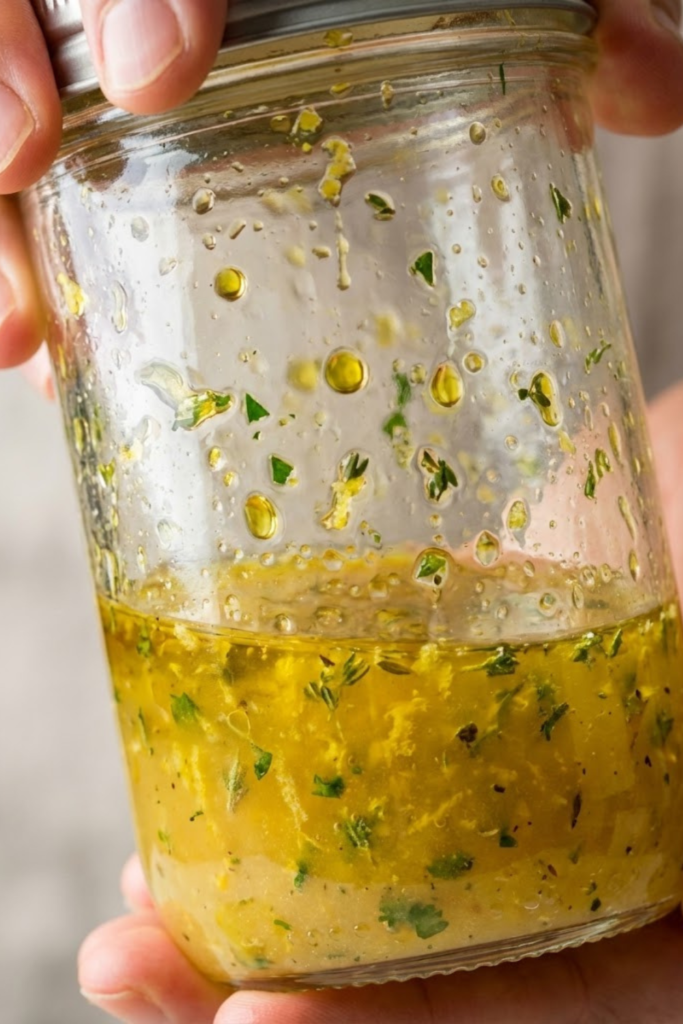
The most important thing I tell people who ask for my recipe is the 3-to-1 rule. This is the gold standard for any dressing. Basically, for every one tablespoon of lemon juice or vinegar, you need three tablespoons of oil. If you go too heavy on the oil, your Mediterranean Grain Salad ends up tasting greasy and it sticks to the roof of your mouth in a weird way. If you have too much acid, you’ll be making that pucker-face like I did. I usually use a high-quality extra virgin olive oil because it has a bit of a peppery kick. I also like to add the zest of the lemon, not just the juice. The zest has all those bright oils that make the whole kitchen smell amazing.
The Power of Aromatics and Herbs
You also need the right “smelly” ingredients to give it depth. I always use fresh garlic. Please, don’t use the stuff that comes pre-minced in a jar! That stuff tastes like metallic chemicals to me. Use a real clove and mash it up with the side of your knife. I also add a big pinch of dried oregano. For some reason, dried oregano actually tastes better in a dressing than fresh does because it has a more concentrated punch. It really reminds me of the food I had on a trip to Greece years ago. Just make sure your spices aren’t five years old or they won’t taste like anything.
The Secret Ingredient for a Smooth Sauce
My big secret trick is adding a little bit of Dijon mustard. I know it sounds a bit strange for a Mediterranean-style dish, but the mustard helps the oil and the lemon juice stay together. In the cooking world, they call this emulsification. If you don’t use a binder like mustard, the oil just sits on top of the salad and the lemon juice sinks to the bottom. The mustard acts like a glue that keeps everything mixed. It doesn’t make the salad taste like a hot dog, I promise! Just put everything in a mason jar and shake it like crazy for about thirty seconds. It makes the dressing thick and creamy, and it coats every single grain of farro perfectly. I usually make a double batch because it stays good in the fridge for a week.
Meal Prep Secrets for Weeklong Freshness
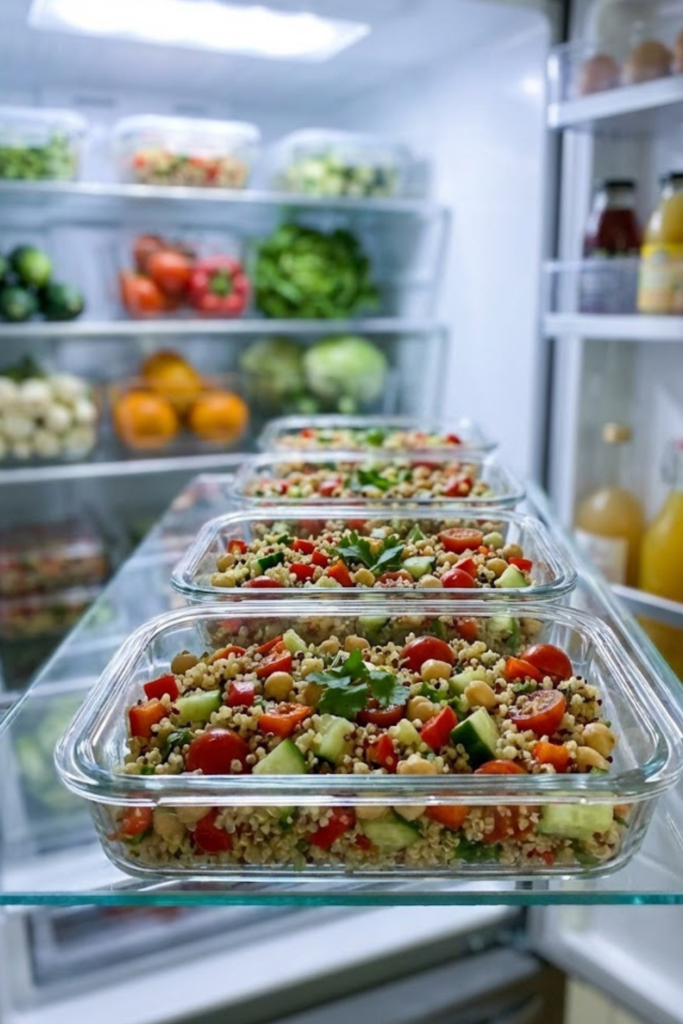
I am a busy teacher, and by the time Thursday rolls around, I am usually too tired to even think about chopping a single carrot. That is why I started doing my meal prep on Sundays. At first, I was really bad at it. I would make a giant batch of Mediterranean Grain Salad and just put it in one big plastic container. By Tuesday morning, the cucumbers were slimy and the grains had soaked up every single drop of the dressing. It was like eating a cold, wet sponge. I almost gave up on the whole idea! But then I learned a few tricks that changed everything. Now, my salads stay crunchy and fresh all the way until Friday afternoon.
The Art of the Layered Jar
One thing that really saved my lunches was switching to glass jars. I found that if you put the ingredients in the right order, they don’t get soggy. I always put the heavy, wet stuff at the bottom. I start with the chickpeas and the dressing. Then, I put the grains on top of that. The grains act like a barrier that keeps the wet stuff away from the delicate veggies. I put the cucumbers and tomatoes on top of the grains, and the feta and fresh herbs go at the very top. This way, nothing touches the dressing until you actually dump the jar into a bowl and mix it up. It’s so simple, but it really works. I’ve had salads stay perfect for five days using this method. Just make sure you use a jar with a tight lid so no air gets in.
Keeping the Temperature Right
Another thing I learned is that where you put your salad in the fridge actually matters. My fridge has a “cold spot” in the back where things sometimes freeze. If your Mediterranean Grain Salad gets too cold, the cucumbers turn into mush when they thaw out. I try to keep my meal prep containers right in the middle shelf where the temperature is steady. Also, I always wait for my cooked grains to be totally cold before I put them in the jars. If they are even a little bit warm, they create steam. That steam turns into water droplets inside the jar, and that is what makes your salad feel damp and gross. I usually let my farro sit on the counter for an hour before I start packing everything away.
How to Revive Your Leftovers
Sometimes by the fourth day, the salad looks a little bit tired. The herbs might be a little wilted, even if you did everything right. Don’t throw it out! I always keep a lemon and a bottle of olive oil at my desk at school. A quick squeeze of fresh lemon and a tiny drizzle of oil can wake up the flavors instantly. The acid from the lemon cuts through the heaviness of the grains and makes it taste like you just made it. This habit has saved me so much money because I’m not running out to buy fast food when my lunch looks a little boring. It is the easiest way to stay healthy during a long work week.
I really hope you give this Mediterranean Grain Salad a try because it’s honestly been a total game-changer for my school days. I remember I used to just buy a bag of chips or a greasy burger from the cafeteria, and I always felt like a total zombie by 3 PM. My energy would just crash and I’d be counting the minutes until the final bell. Now, I have my little glass jars ready to go in the teacher’s lounge, and I feel so much better. It’s funny how a little bit of chewy farro and some fresh parsley can make such a big difference in how your whole day goes. Plus, my bank account is much happier too because I’m not spending ten bucks a day on takeout lunch anymore!
When you start making your own salad, just remember the big lessons we talked about today. First, choose a grain that has some real backbone, like farro or bulgur. Don’t let it get mushy! If you mess up the first time and it turns out a bit soft, don’t even worry about it. I’ve made plenty of “grain soup” in my life before I finally got the hang of the timing. Second, try to get the good feta cheese that comes in the container with water. It’s worth the extra couple of dollars, I promise. Your taste buds will really thank you for that creamy texture. And please don’t forget that little bit of mustard in your dressing to keep the oil and lemon together. It’s those small things that really make the meal taste professional.
Cooking doesn’t have to be some big, scary thing that you have to be perfect at. It’s really just about putting together fresh stuff that tastes good to you. This Mediterranean Grain Salad is basically a blank canvas. If you don’t like olives, just leave them out! If you want to add some grilled chicken or maybe some canned tuna for more protein, go right ahead. That’s the best part about being the boss of your own kitchen. You get to make the rules and eat exactly what you like.
I really think this recipe is going to become a regular staple in your house just like it is in mine. It’s fresh, it’s healthy, and it’s actually kind of fun to put together on a Sunday afternoon. If you found these tips helpful and want to save this for later, please share this post on Pinterest! It really helps me out and it helps other people find easy ways to eat better without spending all day in the kitchen. I’d love to hear how your salad jars turned out. Happy eating!