Have you ever had one of those days where you just want a meal that feels fancy but takes almost no work to get on the table? I’ve spent way too many years trying to get that perfect, “restaurant-quality” sear on my fish at home, and I finally figured out that the secret isn’t some expensive tool—it’s just the right balance of salt and acid. This Mediterranean Fish Olive Dinner is my absolute favorite way to eat lately because the briny olives and fresh lemon do all the heavy lifting for the flavor. I usually just toss everything onto one pan, and within twenty minutes, the house smells like a seaside kitchen in Greece. If you are looking for a dinner that is light but still feels like a real treat, this recipe is going to be your new best friend.
Selecting the Best Catch: Which Fish Works Best?
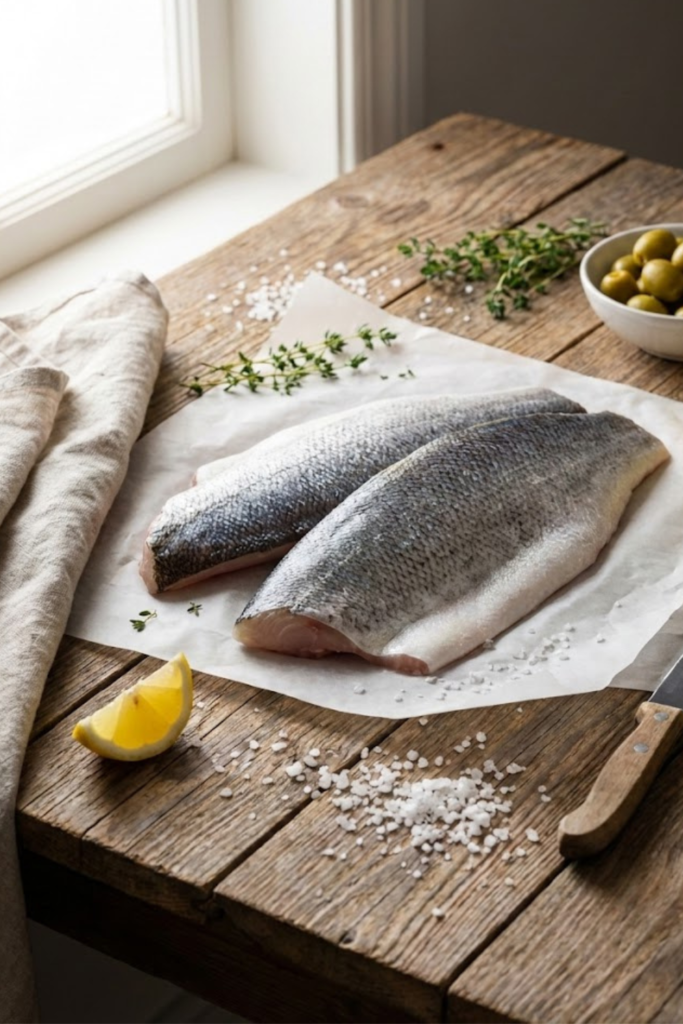
When I first started making this, I just grabbed whatever was on sale at the grocery store, but I quickly learned that not all fish can handle the heat and the salt from the olives. If you want that perfect flaky texture that just melts in your mouth, you really want to stick with a white fish. I personally love using Sea Bass or Halibut because they are thick enough to stay juicy while the olives roast next to them. If you pick something too thin, like tilapia, it might dry out before the tomatoes even have a chance to pop.
One thing I always tell my friends is to look for “firm” white fish. If you can find Red Snapper, grab it! It has this slightly sweet taste that balances out the briny olives in a way that’s just incredible. Also, try to buy wild-caught if you can find it. I’ve noticed the texture is much better and it doesn’t get mushy when you add the olive oil. Just make sure you pat the fish dry with a paper towel before you start seasoning it—this is a small step, but it’s how you get that nice golden color instead of just steaming the meat.
I also like to check the skin when I’m at the market. If you can get a fillet with the skin still on one side, it actually helps hold the whole thing together while it roasts, so it doesn’t fall apart when you try to plate it. Some people get nervous about cooking fish at home because they think it’ll smell up the house, but when the fish is fresh, it should barely have any scent at all. If you’re really lucky and your local shop has Cod, that’s another great choice because it’s so mild it lets the olives be the star of the show. I usually avoid frozen fish if I can help it, but if that’s all you have, just make sure it’s completely thawed and drained of all that extra water. There is nothing worse than a soggy dinner because of hidden ice crystals. I’ve found that even a thicker piece of Grouper works wonders here because it stands up to the high heat of the oven without turning into mush. Just keep the pieces roughly the same size so they all finish at the same time. It makes a world of difference when every bite is just as tender as the last one.
The Olive Factor: From Kalamata to Castelvetrano
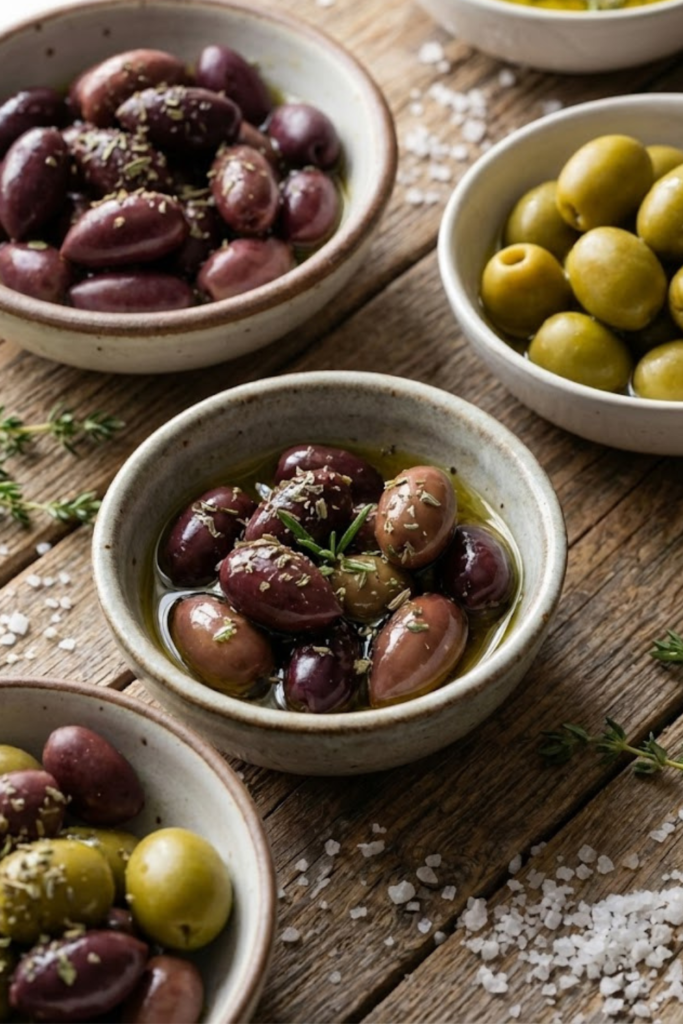
I used to think an olive was just an olive, but man, was I wrong. When you are making a Mediterranean fish dinner, the type of olive you drop in the pan completely changes the vibe of the meal. If you want that deep, salty, almost wine-like punch, you have to go with Kalamata olives. They are the dark purple ones you see in Greek salads, and they hold up really well under the heat of the oven. They get all soft and release this dark juice that mixes with the olive oil to make the best sauce ever.
On the other hand, if you aren’t a huge fan of super salty things, you should try Castelvetrano olives. These are bright green and have a much milder, buttery taste. My kids actually prefer these because they aren’t as “sharp” as the purple ones. I usually buy them with the pits still in because they stay firmer, but you’ll want to give them a little smash with the side of your knife to pop the pits out before cooking. Dealing with pits while trying to eat a nice piece of fish is just a headache nobody wants. Just toss a big handful in—there is no such thing as too many olives here.
I’ve even tried mixing the two types together, and honestly, the contrast between the salty purple ones and the buttery green ones is a total game changer. If you really want to get fancy, look for the oil-cured black olives that come in those little crinkly bags; they have a super concentrated flavor that reminds me of the coast of Italy. Some people like to rinse their olives first to get rid of the excess brine, but I usually skip that because I want all that salt to season the fish as it bakes. You’ll notice that as they cook, the skins might shrivel up just a tiny bit, which is exactly what you want because it means the flavor is intensifying.
I also love how the olive oil in the pan picks up that briny essence, making it perfect for dipping a crusty piece of bread into later. If you find yourself with a jar of stuffed olives—maybe with pimento or garlic—go ahead and throw those in too! There aren’t really any strict rules here, and experimenting with different varieties is half the fun of cooking this way. Just remember that the olives are basically your salt source for the dish, so be careful not to over-salt the fish fillets before you add them. Every time I make this, I’m shocked at how much depth such a simple little fruit adds to the tray.
One-Pan Wonders: Roasting Your Dinner to Perfection
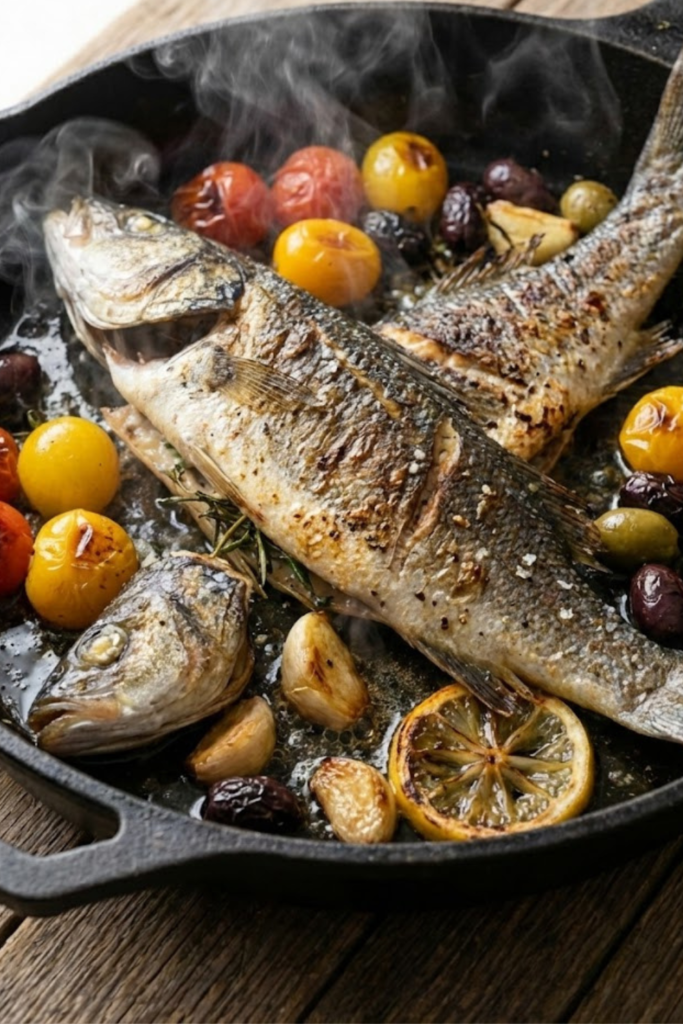
I’m a huge fan of anything that doesn’t leave me with a mountain of dishes after I eat. The best way to do this Mediterranean fish dinner is definitely on a single sheet pan or in a big cast iron skillet. What I usually do is create a “bed” for the fish to sit on. I slice up some lemons and red onions and lay them down first. This acts like a little rack so the fish doesn’t stick to the bottom, and it lets the air circulate so everything cooks evenly.
You really have to keep an eye on the clock, though. Most white fish fillets only need about 12 to 15 minutes at 400°F. If you leave it in too long, it goes from perfect to rubbery real fast. About halfway through, I like to toss in some cherry tomatoes. They’ll start to blister and pop, creating a natural sauce that tastes amazing when it mixes with the olive oil and garlic. It’s honestly so simple it feels like cheating, but when you pull that sizzling pan out of the oven, it looks like you spent hours on it.
I really love how the tomatoes kind of melt down and create this jammy texture that coats the fish perfectly. If you want to take it up a notch, I usually scatter some fresh oregano or thyme over the whole pan right before it goes in the oven. The heat wakes up the oils in the herbs and makes the whole kitchen smell like a dream. Another little trick I’ve learned is to crowd the pan just a tiny bit with the olives and tomatoes so their juices stay concentrated instead of spreading out and burning on the bare metal. It makes a big difference. When the timer goes off, don’t be afraid to poke the thickest part of the fish with a fork; if it flakes apart easily, you’re good to go. I always finish it off with a massive squeeze of fresh lemon juice while it’s still sizzling. That final hit of acid really cuts through the richness of the olive oil and makes all those Mediterranean flavors just pop. It is such an easy win for any night of the week.
Mastering a Mediterranean Fish Olive Dinner really comes down to using fresh ingredients and not overthinking the process. Once you get the hang of balancing those salty olives with a bit of lemon and some good quality white fish, you’ll find yourself making this once a week like I do. It’s one of those rare meals that makes you feel energized afterward instead of needing a nap. I really hope you give this a try the next time you see some good-looking fish at the market!
If this recipe made your mouth water, save it to your Pinterest “Healthy Dinners” board so you never lose it! It’s such a lifesaver for those busy weeknights when you want something that tastes like a vacation.