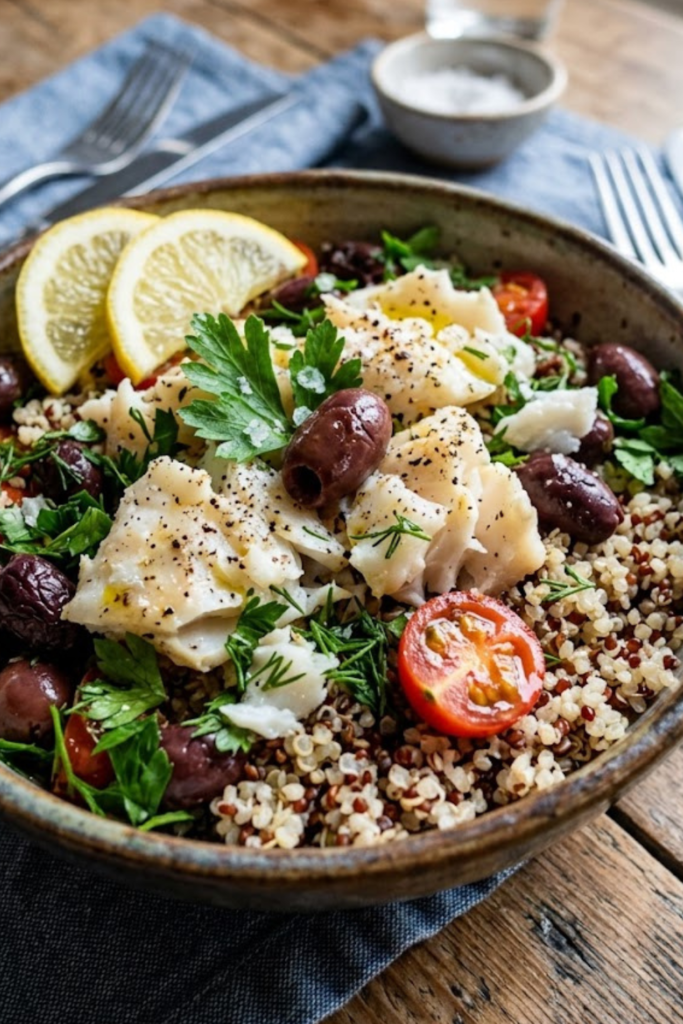
Did you know that sticking to a Mediterranean style of eating can lower the risk of heart disease by nearly 30%? That is a wild statistic that I think about every time I’m staring at my fridge at 5 PM! I’ve been teaching for years, and if there’s one thing I’ve learned by 2026, it’s that we all need a “go-to” meal that doesn’t require a PhD in culinary arts. This Mediterranean Fish Olive Bowl is exactly that—it’s fast, it’s bright, and it tastes like a vacation in a bowl! I honestly used to be scared of cooking fish, but once I started throwing it into these bowls with salty olives and tangy lemon, I never looked back. Let’s get into how you can whip this up tonight without breaking a sweat!
Choosing the Best Fish for Your Bowl
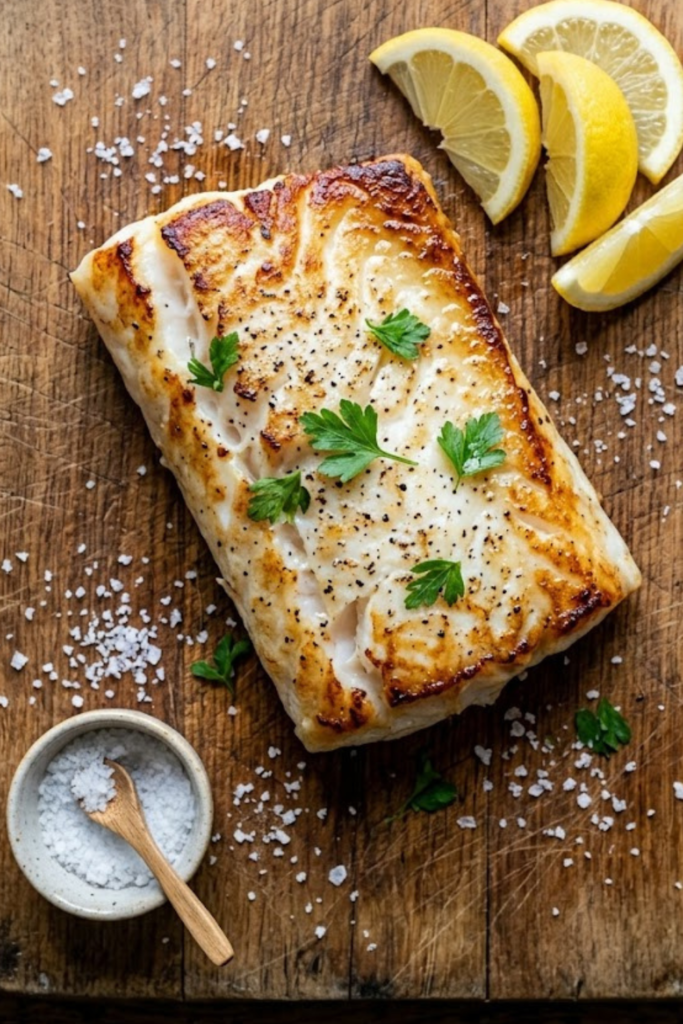
I’ll be honest with you—buying fish used to make me really nervous. I’d walk up to the seafood counter and just stare at everything like I was looking at a math problem I couldn’t solve. But after making this Mediterranean Fish Olive Bowl a hundred times, I’ve figured out what works. You want a white fish that is flaky and light. Cod is my absolute favorite because it’s usually a good price and stays juicy. Halibut is great too if you want to spend a little more, but honestly, even frozen tilapia works if you’re trying to save some money for the weekend. I think people worry too much about the kind of fish, but as long as it’s a mild white one like sea bass or cod, it will soak up those Mediterranean flavors perfectly.
One thing I tell everyone is that frozen fish isn’t the enemy. In fact, most “fresh” fish you see was frozen on the boat anyway. I always keep a bag of wild-caught cod fillets in my freezer. That way, if I have a long day at school and don’t feel like going to the grocery store, I can just thaw them out in some cool water. Just make sure the fish doesn’t smell “fishy.” It should smell like the ocean. If it smells strong or looks a bit grey, don’t buy it! I’ve made that mistake before and my kitchen smelled like a pier for three days. You really want to look for firm flesh and a bright appearance when you are at the store. If the fish looks dull or smells weird, just walk away.
To get that perfect texture, you have to pat the fish dry with a paper towel before it hits the pan. If there is too much water on the surface, it just steams and gets mushy. I like to sear mine in a little olive oil until the edges get golden brown. You know it’s ready when you can easily pull a piece off with a fork. If it feels like rubber, you went too long. I’ve definitely made a few “fish bricks” in my time, so don’t feel bad if it takes a try or two to get it right! Using a hot pan and making sure the fish is dry is how you make sure you get that golden, flaky crust every single time. It makes a huge difference in the final bowl and makes the whole meal feel a lot more professional.
My Favorite Olive Mix for This Bowl
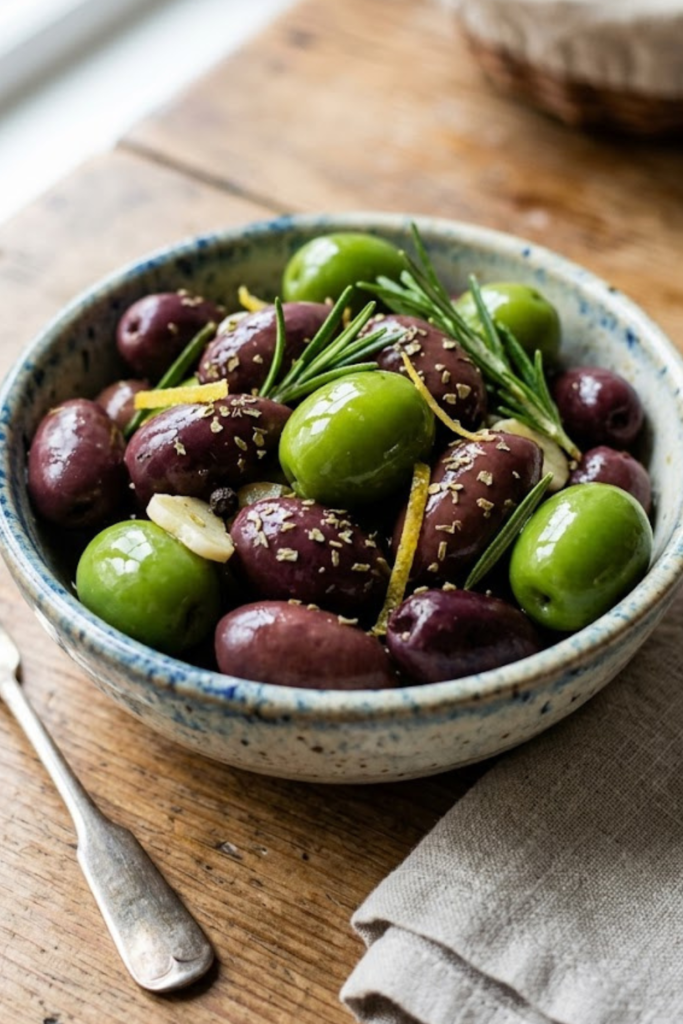
I used to think olives were just those little rubbery rings you get on a cheap pepperoni pizza. Boy, was I wrong! When I started making these bowls, I realized that the olives are basically the star of the show. If you get the wrong ones, the whole dish feels flat and boring. I’ve become a bit of an olive snob over the years, and I’m not even sorry about it. My favorite mix is Kalamata and Castelvetrano. Kalamatas have that sharp, salty bite that reminds me of the ocean, while the green Castelvetrano ones are buttery and mild. It’s like a party in your mouth! By mixing those salty Kalamatas with the buttery Castelvetranos, you create a balanced flavor that doesn’t overwhelm the rest of the meal.
One tip I always give my friends—and they usually look at me like I’m crazy—is to buy the olives with the pits still in them. I know, it’s a bit more work to deal with. But the flavor is so much better and they don’t get mushy. Whole olives stay firmer and keep their natural juices much better than the ones that come pre-pitted in a can. I just take a big flat knife and smash them down on the counter to pop the pit out. It’s actually a great way to let out some steam after a long day at work! One time I smashed an olive so hard the pit flew across the kitchen and landed right in my mug of coffee. I didn’t even care; I just fished it out and kept going because I needed those olives!
If you want to really level up the flavor, try marinating them for just a few minutes while you cook the fish. I just toss them in a small bowl with some dried oregano and maybe a tiny splash of red wine vinegar. Adding those dried herbs and a bit of vinegar adds an extra layer of acidity that cuts through the fish perfectly. It makes the flavors pop. My students always ask what the “magic ingredient” is when I bring these for lunch, and I just laugh because it’s just a 30-second soak. It’s a simple trick that makes the whole bowl taste like you spent hours in the kitchen instead of just minutes.
Building a Nutritious Bowl Base
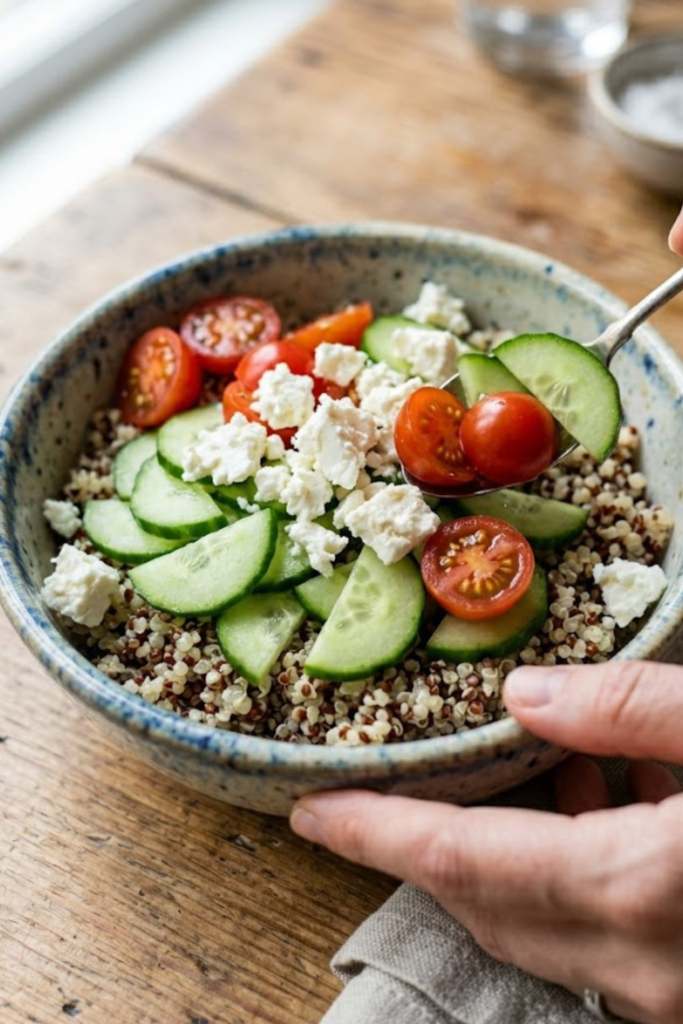
You can’t just throw fish and olives in a bowl and call it a day, or you’ll be hungry again in twenty minutes. Trust me, I’ve tried! You need a solid base that actually fills you up. I usually go for quinoa, couscous, or farro because these grains are great hearty options that keep you full longer than just plain greens. These grains are nice and chewy and they do a great job of soaking up all the yummy juices from the fish and the lemon. In my early days of making these, I just used plain white rice. It wasn’t bad, but it felt a little boring and didn’t have that “bite” you want. Mediterranean food is all about having lots of different textures and colors in one bite!
One thing I always tell people is to not forget the “crunch” factor. I love adding chopped cucumbers and red onions because adding these vegetables provides a necessary crunch and fresh flavor that every bowl needs. I once forgot the veggies and the whole meal felt way too soft. It was like eating a cloud, but not a tasty one! You really need that snap to balance out the flaky fish. Also, you really gotta add some feta cheese. It adds that creamy, salty finish that ties everything together. My kids used to pick it out, but now they ask for extra because it’s so good with the olives.
Finally, everything gets a heavy drizzle of extra virgin olive oil. Don’t use the cheap cooking stuff for this part. Use the “good” bottle you keep in the back of the pantry. High-quality olive oil and fresh lemon juice are the keys to making the flavors stand out and making the dish feel authentic. The oil should taste a little bit peppery. I also squeeze half a lemon over the whole thing right before I sit down to eat. It wakes up all the flavors like a morning cup of coffee. It’s funny how a little bit of lemon can change the whole mood of a dish and make it taste much more vibrant!
Honestly, I can’t tell you how many times this Mediterranean Fish Olive Bowl has saved me on a Tuesday night. When I’m tired from a long day at school and the kids are asking what’s for dinner, this is the recipe I reach for. It’s fast, it’s healthy, and it doesn’t leave me with a mountain of dishes to wash. I really hope you give it a try soon! It’s such a great way to get those heart-healthy fats in without feeling like you’re eating “diet food.”
Just remember: keep your fish light, get the good olives with the pits in them, and don’t be afraid to go heavy on the lemon and olive oil. Cooking should be fun, not a chore. I’ve messed up plenty of meals in my time—like that one time I accidentally used vanilla protein powder instead of flour for a gravy—but this bowl is almost impossible to get wrong.
I’d love to hear how yours turns out! Did you try a different kind of fish? Or maybe you found a new favorite olive at the market? Let me know! And if you enjoyed this recipe, please share it on Pinterest so more people can find a quick and easy way to eat better. It really helps me out, and I appreciate you being here!