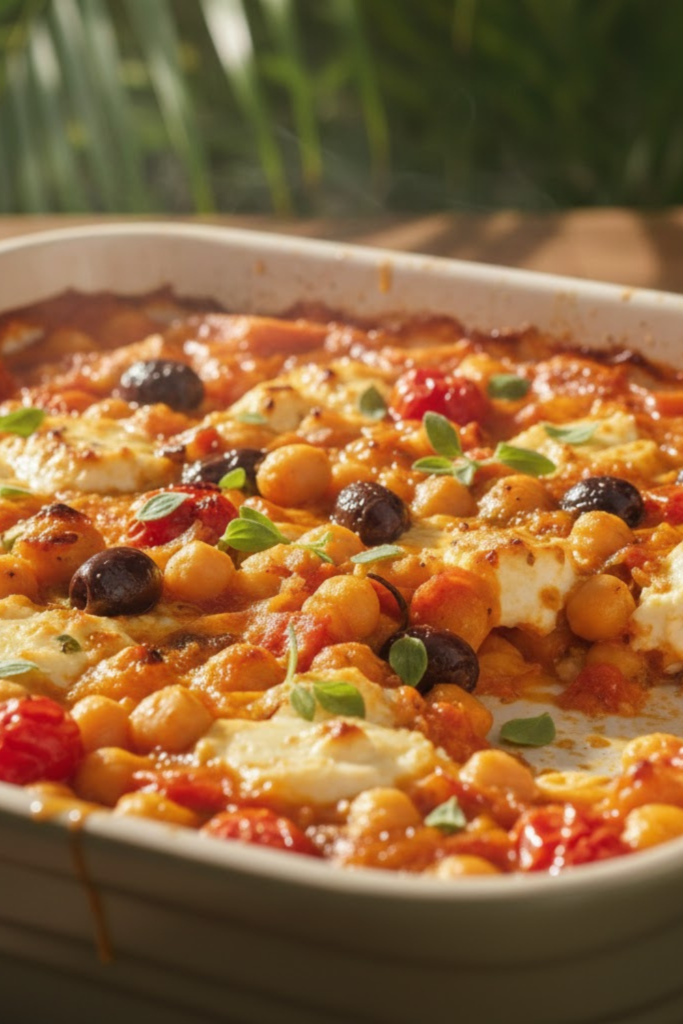
I used to think vegetarian meals were just sad salads until I tried this! Did you know that Mediterranean-style diets are linked to a 30% lower risk of heart issues? My first attempt at a Mediterranean Chickpea Bake was actually a total mushy disaster, but I finally cracked the code to getting those chickpeas perfectly crispy yet tender. You’re going to love how the feta melts into the sun-dried tomatoes!
Why Chickpeas are the Protein Powerhouse You Need
I used to be that person who thought “protein” only came from a grill or a deli counter. Honestly, my early attempts at meatless cooking were pretty sad, and I often ended up raiding the pantry for chips an hour after dinner because I just wasn’t full. Then I discovered the humble garbanzo bean, and let me tell you, it changed my kitchen game forever!
The Magic of Fiber and Fullness
One thing I learned the hard way is that not all beans are created equal when you bake ’em. Chickpeas are basically tiny nuggets of gold because they pack about 15 grams of protein and 13 grams of fiber per cup. That fiber is the real MVP because it slows down digestion, so you don’t get that annoying sugar crash.
I remember this one time I tried to swap them for canned black beans in a similar bake—total mush city, guys, it was gross. Chickpeas have this sturdy skin that gets all crispy in the oven while the inside stays creamy. It’s that texture contrast that makes your brain think you’re eating something way more decadent than a simple legume.
Beyond just the crunch, these beans are loaded with vitamins like folate and iron. If you are someone who struggles with energy levels mid-afternoon, getting more iron from plant-based sources like this is a total lifesaver. I also noticed that my digestion felt way better once I started making these a weekly staple. They have a low glycemic index, which basically means they keep your blood sugar steady instead of sending it on a roller coaster. It’s pretty amazing how much work these little guys do for your body while you just enjoy a tasty dinner.
Canned vs. Dried: My Honest Take
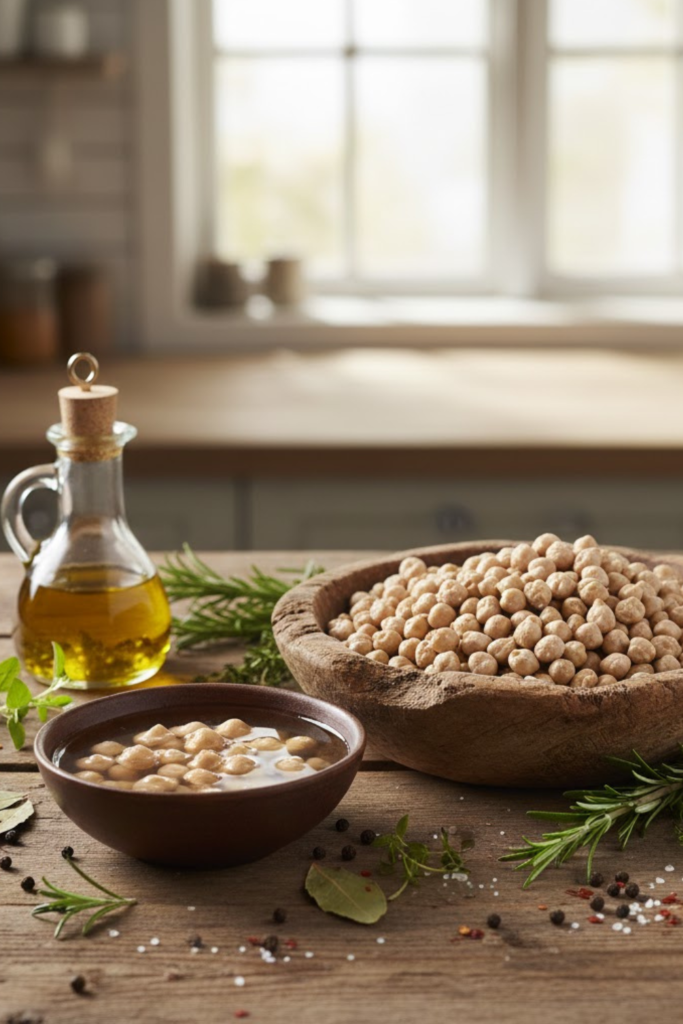
Listen, I know the purists say you must soak dried beans overnight, but who has the time for that every single day? I’ve found that high-quality canned garbanzo beans work just fine for a quick sheet pan dinner. The trick I learned from a total kitchen fail is to rinse them until the bubbles stop, then dry them like your life depends on it.
- Rinse thoroughly: Get all that metallic-tasting liquid (aquafaba) off the beans first.
- Dry them well: If they’re even a little damp, they’ll steam instead of roast, and nobody wants a soggy bean.
- Check the labels: I try to find the “no salt added” ones so I can control the seasoning myself.
Using chickpeas is also way easier on the wallet than buying expensive cuts of meat. I can usually grab a can for under two bucks, which helps when I’m trying to feed the whole family without breaking the bank. Plus, they soak up the flavors of the Mediterranean spice blend like a sponge, making every bite a total flavor bomb.
Since they have a long shelf life, I always keep at least five or six cans in my cupboard for emergencies. On those nights where I haven’t gone grocery shopping, I can always pull together a healthy meal as long as I have chickpeas and some spices. It really takes the stress out of meal planning when your main protein is already sitting there waiting for you. I’ve even started using the leftover liquid from the can, called aquafaba, to make vegan mayo or chocolate mousse—talk about getting your money’s worth! You honestly can’t find a more versatile ingredient in the pantry.
Mastering the Mediterranean Spice Blend
Getting the seasoning right is where most people trip up. I remember my first time making a “Mediterranean” dish; I just dumped a bunch of dried parsley on it and called it a day. It tasted like nothing! If you want that deep, warm flavor that makes you feel like you’re sitting at a seaside cafe, you have to be a bit more intentional with your spice cabinet.
The Essential Spices
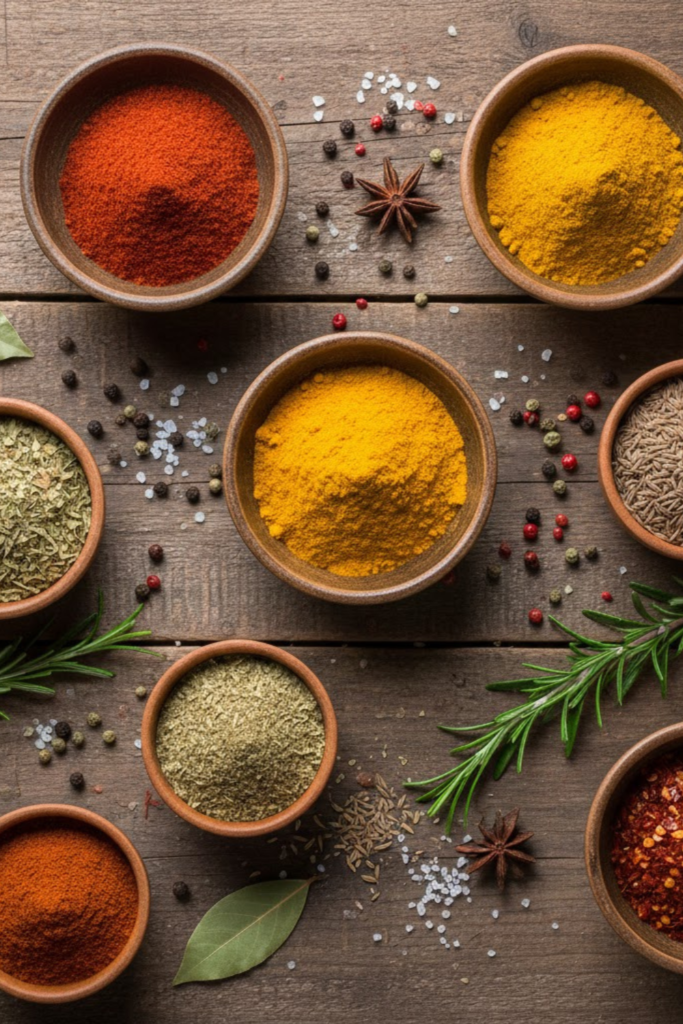
For this bake, I always reach for a trio of heavy hitters: smoked paprika, cumin, and dried oregano. The smoked paprika gives it a hint of “cooked over a fire” vibe, while the cumin adds an earthy base.
One thing I figured out after a few tries—don’t be afraid of salt and pepper. Chickpeas are pretty bland on their own, so they need a good amount of seasoning to really pop. I usually mix the spices in a small bowl first to make sure I don’t end up with a huge clump of cumin in one corner of the pan.
I also like to add a pinch of red pepper flakes if I’m feeling a bit bold. It doesn’t make the dish “hot” exactly, but it provides a little back-of-the-throat warmth that pairs perfectly with the cool feta cheese we add later. If you have some dried thyme lying around, throw that in too! It adds a floral note that really rounds out the savory profile of the beans. I’ve found that using a mix of herbs rather than just one makes the whole kitchen smell like a professional bakery.
The Secret Ingredient
Okay, this might sound a little weird, but hear me out: a tiny pinch of cinnamon. I’m not talking about making it taste like a dessert! Just a small dusting. It’s a trick I learned from an old cookbook, and it adds this “what is that?” quality that makes the savory flavors feel way more complex.
This little addition is actually quite common in traditional Middle Eastern and Mediterranean cooking, but we often forget it in the West. It brings out the sweetness in the roasted red onions and the tomatoes in a way that sugar never could. Just be careful not to overdo it; you only want a whisper of that spice, not a mouthful of holiday pie. When it hits the heat, it creates this incredible aroma that makes everyone ask for your “secret” recipe.
Toasting for Better Flavor
If you have an extra minute, try this: instead of just tossing the spices on top of the cold veggies, mix them with your olive oil first. I like to let the spices sit in the oil for a bit before pouring it over the chickpeas. This helps release the aromatic oils in the dried herbs. When that oil hits the hot oven, it basically fries the spices into the skin of the chickpeas. The smell in your kitchen will be incredible, and the flavor will be much stronger than if you just sprinkled them on at the end.
This process is sometimes called “blooming” the spices, and it’s a total game changer for sheet pan meals. It ensures that every single chickpea is coated in a thin layer of flavor rather than having some beans that are spicy and others that are totally plain. I’ve noticed that when I skip this step, the spices sometimes stay dry on top and can even taste a bit dusty. Letting them soak in the oil makes them rich and vibrant instead. Plus, the colored oil stains the vegetables a beautiful golden-red color that looks stunning when you pull the tray out of the oven.
Choosing the Best Vegetables for Your Bake
Choosing the right veggies is where you can really make or break the texture of this whole meal. I’ve had many nights where I just threw everything in the fridge onto a pan, and I ended up with a soggy mess that looked more like soup than a bake. It’s all about how much water is in the vegetables you pick.
Picking Produce That Can Take the Heat
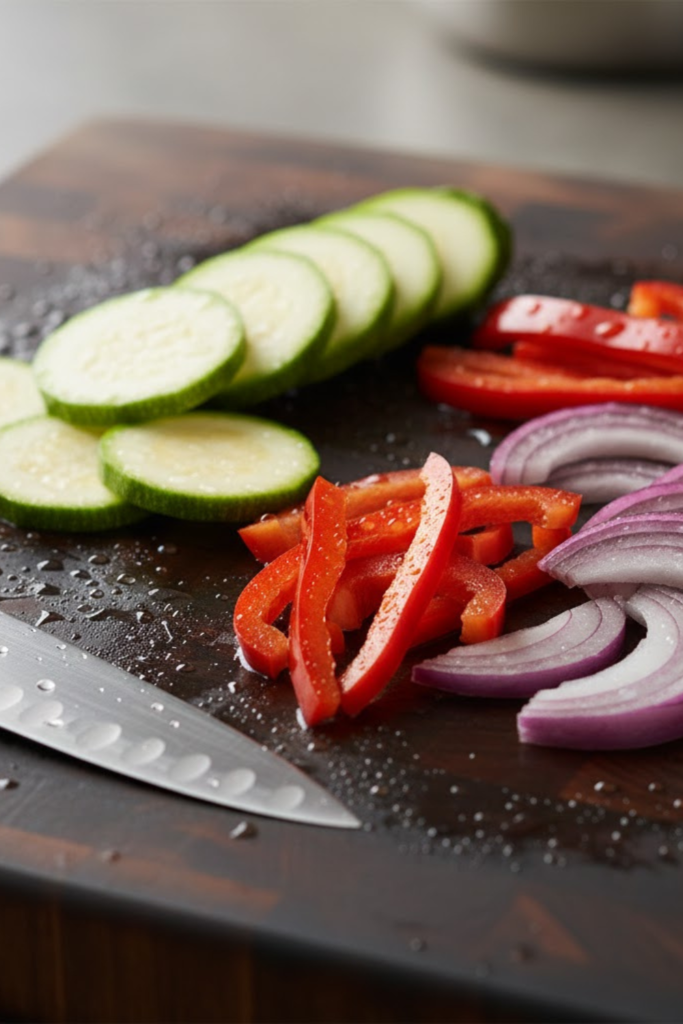
You want vegetables that can stand up to a hot oven without turning into mush. Bell peppers and zucchini are my go-to choices. I usually slice the zucchini into thick half-moons; if you cut them too thin, they just disappear. Bell peppers are great because they get those slightly charred, sweet edges that taste amazing with the salty feta.
I also love adding red onions. Instead of chopping them tiny, I cut them into thick wedges. They get soft and sweet in the oven, almost like they’re caramelized, which balances out the tanginess of the olives and tomatoes.
The Secret to “No-Soggy” Tomatoes
Cherry tomatoes are a staple in Mediterranean cooking, but they are basically little water bombs. If you aren’t careful, they’ll burst and turn your crispy chickpeas into a puddle. My trick? I leave them whole. Most of them will stay intact, and the ones that do pop will just create a little bit of natural sauce that coats the beans without making them soggy.
Layering the Flavors
Don’t forget the garlic! I used to mince it really small, but it always burnt before the chickpeas were done. Now, I just smash the whole cloves and toss them in. They get soft and buttery, and you can either eat them whole or mash them into your pita bread later.
If you want a bit more “meatiness” without actual meat, artichoke hearts (the ones in the jar) are a total game-changer. Just make sure you drain them really well and pat them dry before adding them to the tray.
This Mediterranean Chickpea Bake is seriously a game-changer for those busy weeknights when you just don’t have the energy for a big production. It’s healthy, it’s vibrant, and honestly, it is hard to mess up once you know these little tricks about drying your beans and layering your spices. I love how the salty feta gets all warm and the veggies get those sweet, charred edges. It’s one of those meals that makes you feel good after you eat it, which is the best kind of dinner in my book.
If you decide to give this a try, I’d love to see how yours turns out! Did you add extra garlic or maybe some different veggies? Please share your creation on Pinterest so I can see your beautiful bakes and we can keep swapping ideas for easy, plant-based meals!