Did you know that people living in “Blue Zones”—regions where people live the longest—often credit their longevity to a daily bowl of beans? It’s true! I’ve spent years trying to find that perfect balance between “healthy” and “actually tastes good,” and this Mediterranean Bean Soup is the winner. It’s cozy. It’s vibrant. It’s like a warm hug from a Greek grandmother you didn’t know you had! In this guide, we’re diving into the 2026 way of prepping this classic, using fresh techniques to keep the nutrients high and the effort low.
Why This Mediterranean Bean Soup is a 2026 Staple
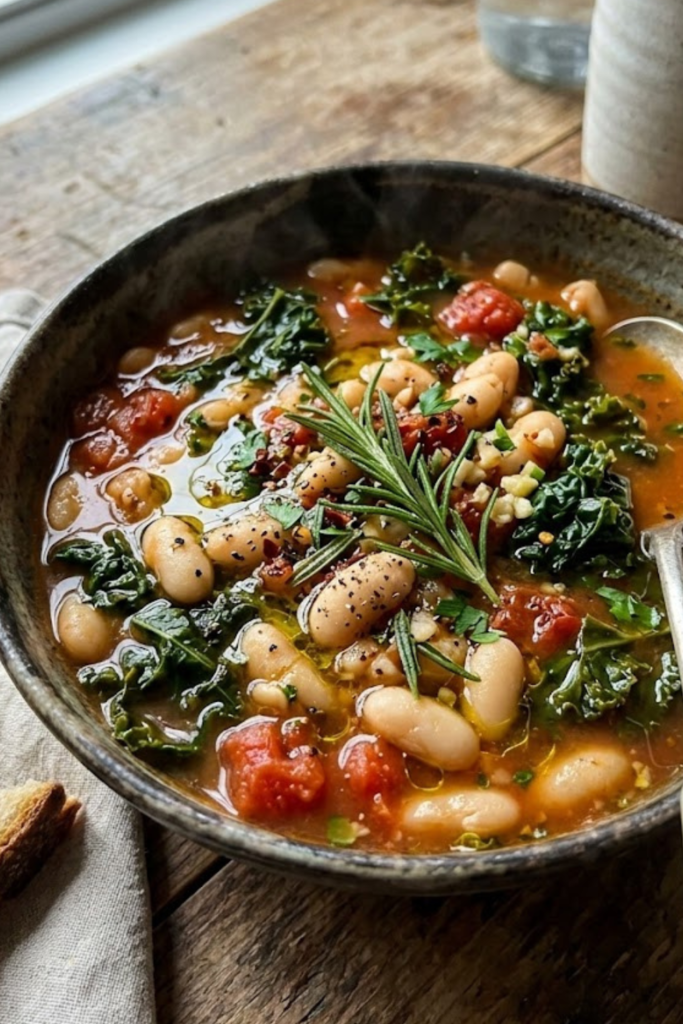
I’ve noticed that almost everyone I know in 2026 is obsessed with living a longer, healthier life. They keep talking about those “Blue Zones” where people live to be 100. Honestly, this Mediterranean Bean Soup is basically a bowl of longevity. I started making it every Sunday because it’s one of those staples that actually keeps my energy up during a long school week.
One big reason this soup is a winner is the plant-based protein. You really don’t need a heavy steak to feel full and strong. These beans are packed with fiber. My doctor told me most people aren’t eating nearly enough fiber, and it’s so important for your heart and your gut. Plus, let’s be real—grocery prices in 2026 are still pretty high. I’ve found that buying big bags of dry beans is a total lifesaver for my budget. It costs way less than buying ten cans of beans or pre-made frozen meals.
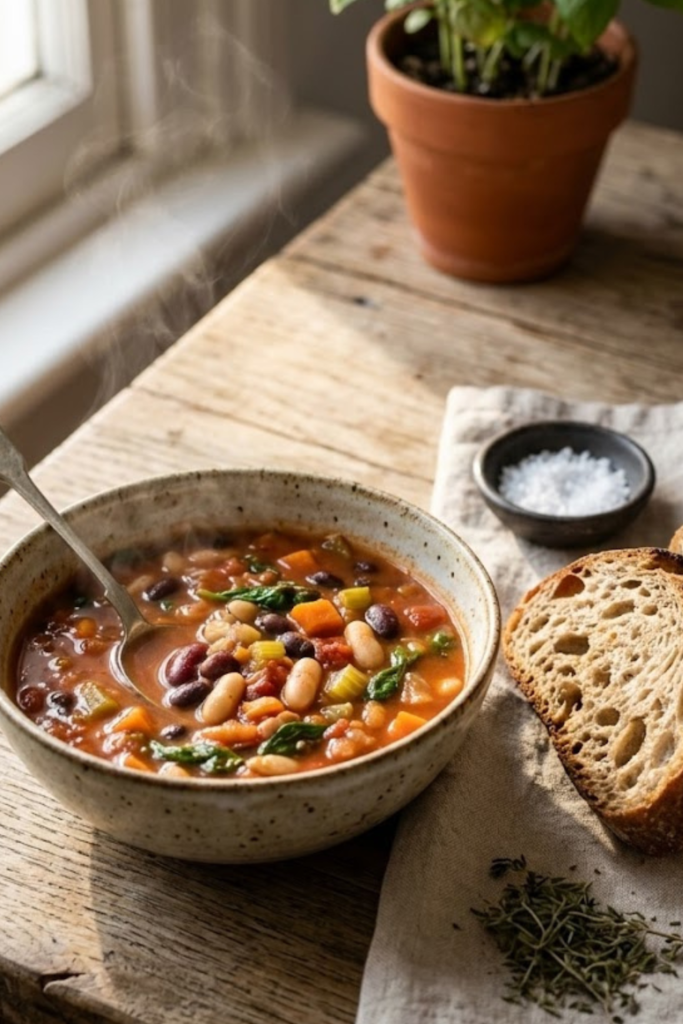
I usually use what I call the “slow-fast” cooking method. I spend about ten minutes slowly cooking my onions, celery, and carrots in oil. This is the “slow” part where all the sweet flavor comes out. Then, I use my pressure cooker to do the “fast” part with the beans. It gives you that deep taste like it simmered on the stove all day, but it’s done in under an hour. It’s perfect for when I get home from work and don’t want to spend three hours in the kitchen. If you want to feel better and keep some extra money in your pocket, this soup is the way to go.
Essential Ingredients for Authentic Flavor
I used to think soup was just flavored water with some stuff floating in it. But after making this Mediterranean Bean Soup about a hundred times, I realized the ingredients are the real stars. If you start with cheap, old beans that have been sitting in the back of your pantry since 2024, your soup is going to taste like cardboard. Trust me, I’ve been there and it’s a letdown.
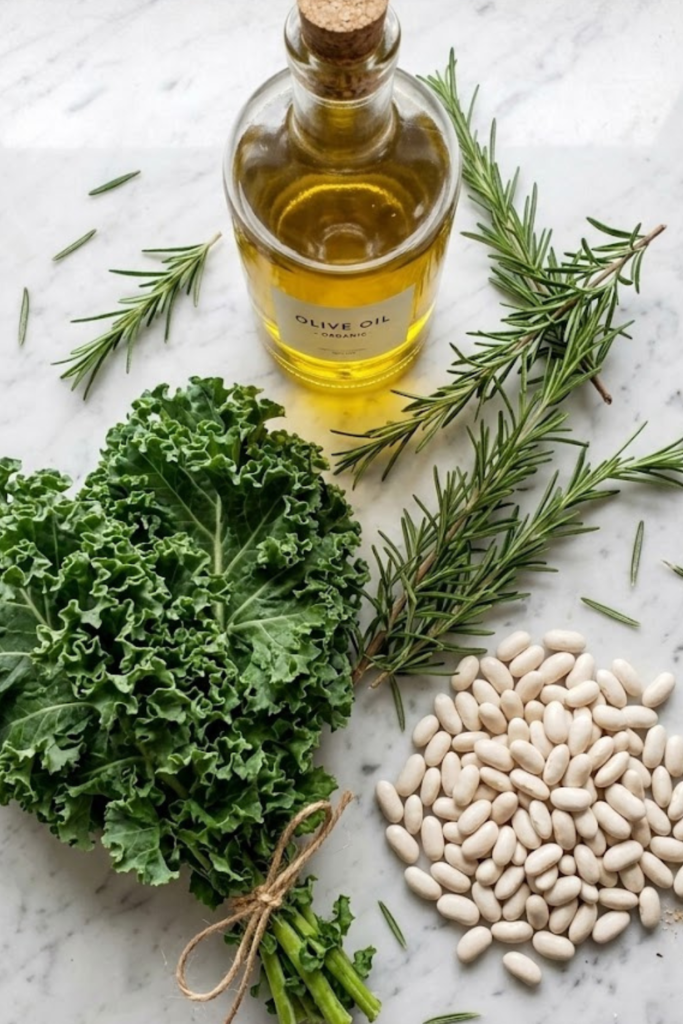
First off, you need Cannellini beans. They are super creamy and soak up all the flavor from the broth. Some people call them white kidney beans. If you can’t find those at the store, Great Northern beans work too, but Cannellini is the best for that silky texture. Also, don’t be stingy with the olive oil. You want the “Extra Virgin” kind because it actually tastes like olives and not just plain grease. In 2026, I try to find the stuff in dark glass bottles so it stays fresh.
For the greens, I always go for Lacinato kale. It’s that dark, bumpy kind that looks like dinosaur skin. My students always laugh when I call it that, but it really holds up well in the pot. Spinach just turns into a slimy mess if you cook it for more than a minute, but this kale stays nice and hearty.
Then you have your aromatics. I love using leeks instead of just regular white onions. They are a bit sweeter and more delicate. And please, use real garlic cloves! I use at least four of them. Sometimes five if I’m having a long day and need the extra “kick.” For herbs, fresh rosemary and thyme make the whole house smell incredible. Oh, and a little pinch of red pepper flakes is great. It won’t make the soup “hot,” but it gives it a warmth that makes you want to go back for a second bowl.
Ingredient Checklist for the Perfect Pot:
- 2 cups dry Cannellini beans (soaked overnight) or 3 cans (rinsed).
- 1 large leek, white and light green parts only, sliced thin.
- 3 large carrots and 2 celery stalks, diced small.
- 4-5 cloves of garlic, smashed and minced.
- 1 bunch Lacinato kale, stems removed and leaves chopped.
- 1 quart high-quality vegetable stock (low sodium is better so you can control the salt).
- 2 tablespoons fresh rosemary and thyme (chopped fine).
- 1/4 cup Extra Virgin Olive Oil (plus more for drizzling at the end).
- 1 tablespoon tomato paste (for that deep, savory color).
Step-by-Step Instructions: Mastering the Simmer
Alright, let’s get into the actual cooking part. If you follow these steps, your Mediterranean Bean Soup will turn out great every single time. I usually start by getting my big heavy pot—the one I’ve had for a decade—and heating up a good splash of olive oil.
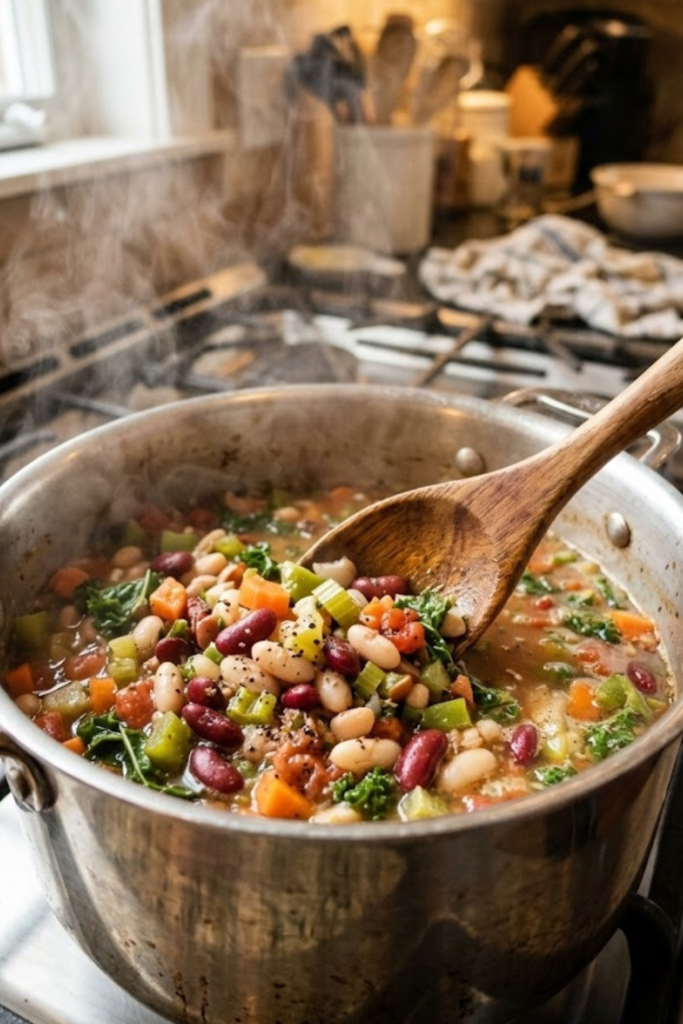
The first thing you do is make the base. In some cooking books, they call this a “sofrito.” It’s just a way to say you’re frying up your onions, carrots, and celery. I like to do this for about 10 minutes on medium heat. You want them to get soft and a little bit shiny, but don’t let them turn brown or burn. If you burn the onions, the whole soup will taste bitter, and there’s really no way to fix that. I’ve tried, and it just doesn’t work.
Once those are soft, I toss in the garlic and the herbs. You only need to cook the garlic for about a minute. You’ll know it’s ready when your whole kitchen smells amazing. Then, I add the tomato paste. Stir it around for a minute so it gets a little darker. This adds so much flavor to your Mediterranean Bean Soup.
Next, pour in your beans and the vegetable stock. If you’re using dry beans that you soaked overnight, they’ll need about 45 minutes to an hour to get soft. If you’re using canned beans, they only need about 20 minutes to soak up all those flavors. The most important thing is the simmer. You don’t want a big, angry boil. Just some small bubbles popping up. If you boil them too hard, the beans will explode and get mushy. We want them tender, not like baby food.
About five minutes before I turn off the stove, I stir in the chopped kale. It wilts down really fast. Right before you serve it, squeeze in half a lemon. That little bit of acid makes all the other flavors wake up. I also like to put a tiny bit more olive oil on top of each bowl. It makes it look like it came from a restaurant!
Pro Tips for Meal Prepping and Storage
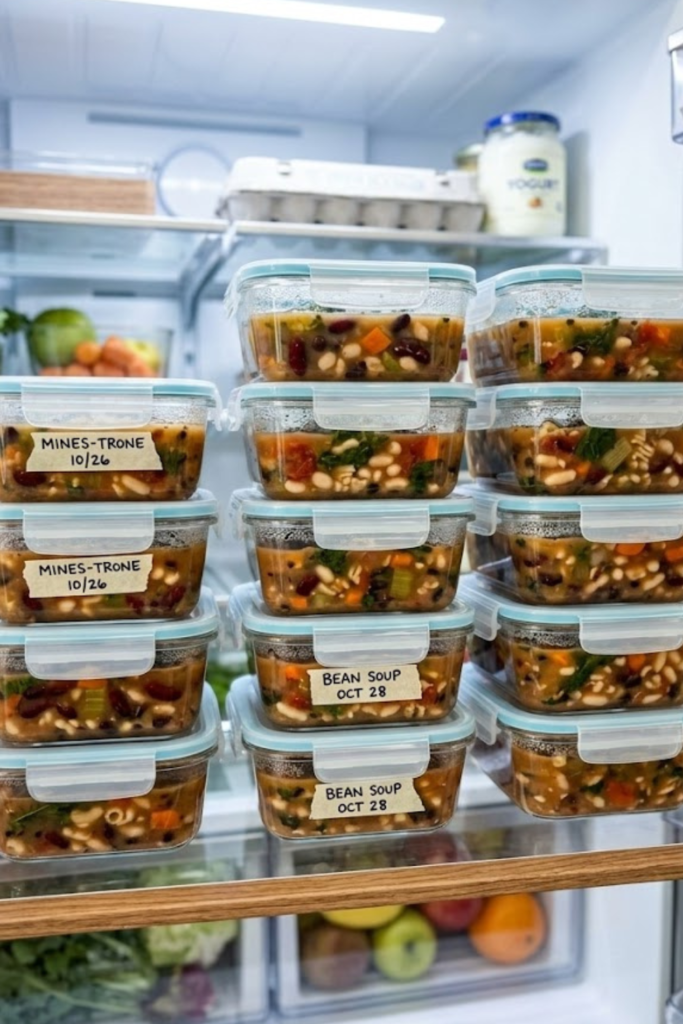
Honestly, as a teacher, my weeks are usually pretty chaotic. There are some days where I don’t even have time to sit down for a real lunch between grading papers and helping students. That’s why I’m such a big fan of meal prepping this Mediterranean Bean Soup. I usually make a double batch on Sundays so I don’t have to think about what to eat for the rest of the week.
If you want to freeze it, just make sure the soup is totally cool before you put it in the freezer. I once put a hot container in there and it cracked—what a mess! I felt so silly cleaning that up. I like to use those glass containers that have the snap-on lids. This Mediterranean Bean Soup stays good for about three months if it’s frozen right. When you’re ready to eat it, just let it thaw in the fridge overnight. It’s an easy way to have a healthy meal ready to go.
One thing I’ve noticed is that the beans soak up a lot of the liquid while they sit in the fridge. If your leftovers look more like a thick stew than a soup the next day, just add a splash of water or some more broth when you reheat it. I also like to throw in a handful of fresh parsley or a little bit of grated parmesan cheese to make it taste fresh again. It’s like a brand new meal!
In 2026, we have all these cool smart pressure cookers that make this even easier. I use mine all the time because it saves so much energy compared to the big stove. It’s way better than leaving the burner on for hours. Just remember that this Mediterranean Bean Soup is meant to be easy. Don’t stress too much if it isn’t “perfect.” As long as it’s warm and has some good flavor, you’re doing great. It’s much better than eating a boring sandwich every single day!
At the end of a long school day, there is nothing better than knowing I have a container of this Mediterranean Bean Soup waiting for me. It’s a simple meal that makes me feel like I’m taking care of myself and my bank account at the same time. We talked about how these beans are great for your heart, why fresh herbs and good olive oil make a huge difference, and how to simmer everything so it doesn’t turn into a big mess.
I really hope you give this recipe a try next Sunday. Cooking doesn’t have to be some big, scary thing. It’s just about putting good things in a pot and letting them hang out for a while. If you make a batch and love how it tastes, please share this post on Pinterest! It helps other people find easy, healthy recipes that actually taste good. Happy cooking, and I hope your kitchen smells amazing tonight!