Did you know that adding a splash of chicken broth to your roasting pan is the secret Greek trick for potatoes that are crispy outside but melt-in-your-mouth soft inside? I used to think I was doing it right, but my potatoes always came out either too dry or just plain boring. Then I learned about these Lemon Oregano Potatoes and it changed everything in my kitchen. It’s such a simple side dish, but the way the lemon juice and herbs soak into the potato while it’s roasting is just incredible. My kids actually ask for these now, which is a miracle because they usually only want fries! I’m going to show you exactly how to make them so you don’t make the same mistakes I did at first.
The first time the smell of roasting garlic and lemon filled my house, I knew I had found a winner. It’s funny because I used to be so scared of using too much lemon, thinking it would make everything sour, but it actually just makes the potatoes taste bright and fresh. I’ve served these with everything from Sunday roast chicken to grilled fish on a Tuesday night, and there are never any leftovers. You don’t need any fancy equipment for this, just a basic pan and a little bit of time. Honestly, these are so good that sometimes I just eat a big bowl of them for lunch by themselves! It really is about getting that balance of salt and citrus just right so every bite makes you want another one.
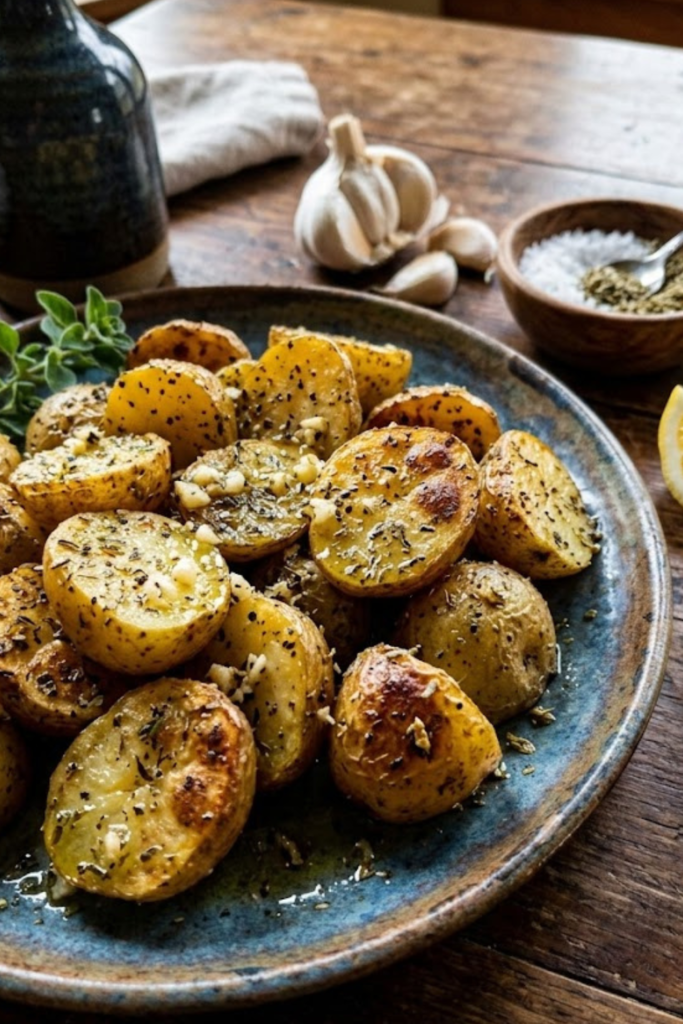
Choosing the Right Potato for Maximum Crunch
Let’s talk about the most important part of this whole thing: the potato itself. If you pick the wrong kind, you’re going to end up with a sad, mushy mess, and nobody wants that for dinner. When I first started making these, I just grabbed whatever was on sale at the grocery store. Big mistake! I used those red-skinned ones once, and they just stayed waxy and never got that crunch I was looking for.
For these lemon oregano potatoes, you really want a starchy potato. Most people love Russets because they get super fluffy, but I’ve found that Yukon Golds are the real MVP here. They have this buttery flavor that just works so well with the lemon juice. Plus, they hold their shape better when you’re tossing them around in the pan. The starch is what helps create that crusty layer on the outside that we all love.
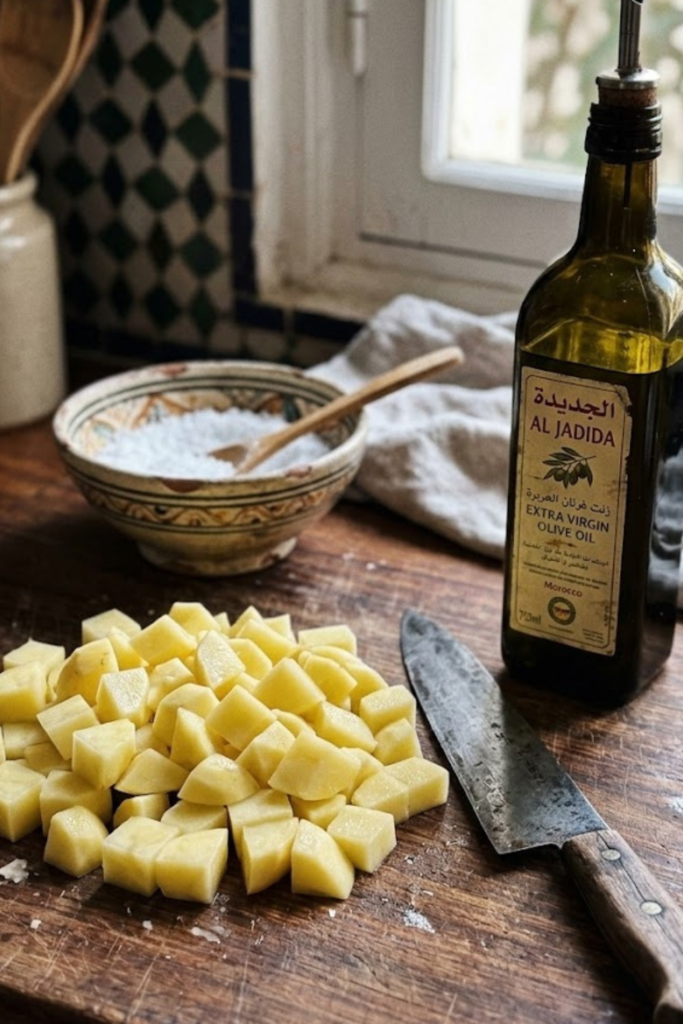
One thing I always say is that you have to cut them the same size. If you have some big chunks and some tiny slivers, the little ones will burn into charcoal while the big ones are still raw in the middle. I usually go for about one-inch cubes or thick wedges. It takes a minute longer to be careful with your knife, but it makes a huge difference in how they cook. Don’t worry if they aren’t perfect squares; we’re going for a rustic look anyway. Just try to keep them close in size so every bite is just as good as the last one.
I also noticed that leaving the skins on gives them a bit more texture, but my kids sometimes complain about it, so I usually peel about half of them. It’s a good middle ground! Just make sure you wash them really well if you leave the skin on because nobody likes a gritty potato. Getting the right potato and cutting it right is half the battle, but it’s the part people skip most often. Don’t be that person! Pick the gold ones and take your time with the knife.
The Secret “Greek Style” Braising Technique
I used to think roasting potatoes meant just throwing them in a pan with some oil and salt and hoping for the best. Boy, was I wrong! A few years back, I went to a Greek food festival and the potatoes there were so soft inside but still had these crispy edges. I asked the lady at the booth how she did it, and she told me about the braising liquid. Basically, you cook them in a little bit of juice and broth first before the real roasting starts.
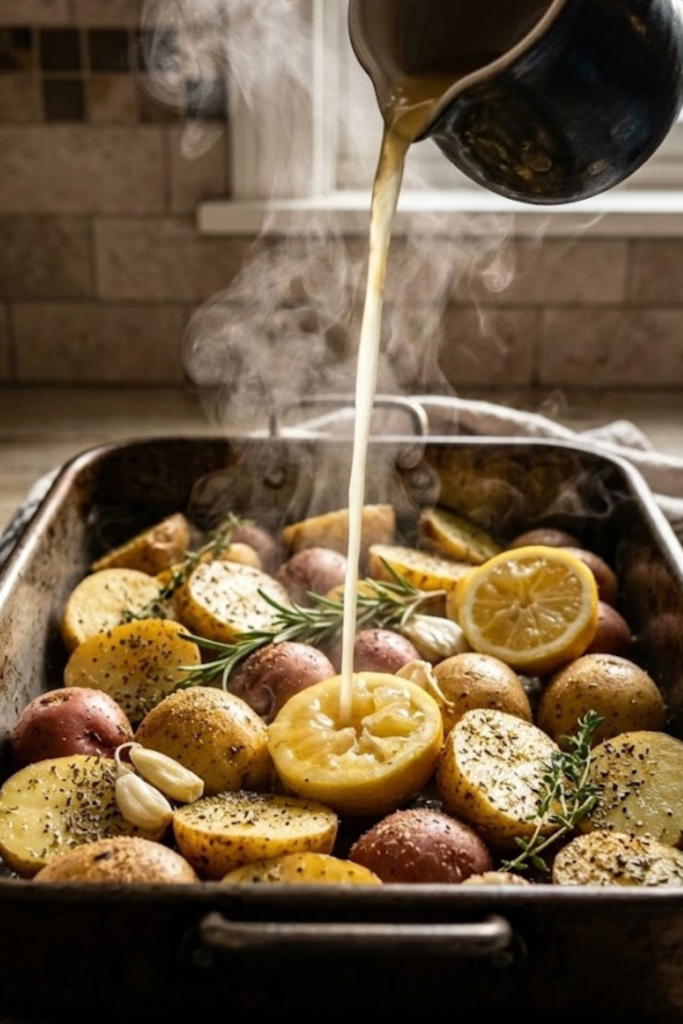
When I tried it at home for the first time, I put way too much chicken broth in. My potatoes just boiled and turned into mush. It was pretty bad, and my husband just kind of stared at the plate. But I figured out that you only need about half a cup or so, depending on how many potatoes you have. You want the bottom of the pan covered, but the potatoes shouldn’t be swimming in it. The lemon juice adds a nice zing, and the olive oil stays behind to fry them once the water part of the broth evaporates.
I usually mix the broth, lemon juice, and a ton of oregano in a small bowl first. Then I pour it over the potatoes in the roasting pan. You have to make sure every piece gets some of that flavor. I used to just pour it over the top and hope for the best, but now I get in there with my hands and toss them around. It’s messy but it works better. This way, the flavor gets soaked into the potato as it cooks. If you skip this, your potatoes will just be sour on the outside and plain on the inside. Nobody wants a plain potato!
Also, don’t be afraid of the oregano. I use way more than the recipe says because it really makes the dish. I like to use the dried stuff from the jar because it doesn’t burn as fast as fresh herbs do in a hot oven. Just keep an eye on the pan; once that liquid is gone, you’ll hear them start to sizzle. That’s the sound of the oil doing its job and making everything delicious. It’s a simple trick, but it really changes everything about how the potatoes turn out.
Avoiding the “Soggy Potato” Disaster
I’ve had my fair share of potato disasters, believe me. There is nothing worse than expecting a crispy, golden bite and getting a soggy, limp piece of mush instead. It is really disappointing when you’ve been waiting an hour for dinner to be ready only to have it turn out like that. One time I tried making these in a deep glass baking dish and I didn’t turn the heat up high enough. They basically just sat there and steamed in their own juices. It was a total letdown, and I think we ended up just eating cereal that night!
To avoid the “soggy potato” disaster, you really need to crank up the heat. I usually set my oven to at least 400 degrees, sometimes even 425 if I’m feeling impatient. And like I mentioned before, use a metal pan! Glass or ceramic just doesn’t get hot enough to really sear the bottom of the potato. You want to hear that sizzle when the liquid finally cooks off. If you don’t hear anything, your oven probably isn’t hot enough or you put too much liquid in.
Another big mistake I used to make was flipping them too soon. I get it, you’re hungry and you want to see if they are browning. But if you move them before they’ve had a chance to form a crust, you’ll just tear the skin off and they’ll stick to the pan. It’s a mess. I usually leave my Lemon Oregano Potatoes alone for at least twenty or thirty minutes before I even think about touching them. When they are ready, they should slide right off the metal with a spatula without any struggle.
If they still look a little pale at the end, don’t be afraid to leave them in for five more minutes. I’ve even turned on the broiler for a minute or two at the very end to get those blistered, dark spots on the edges. Just watch them like a hawk if you do that, because they can go from perfect to burnt real quick. My kids actually like the slightly charred bits the best, so I usually aim for a few of those. It’s all about patience and high heat! If you follow these steps, you’ll get that perfect crunch every single time.
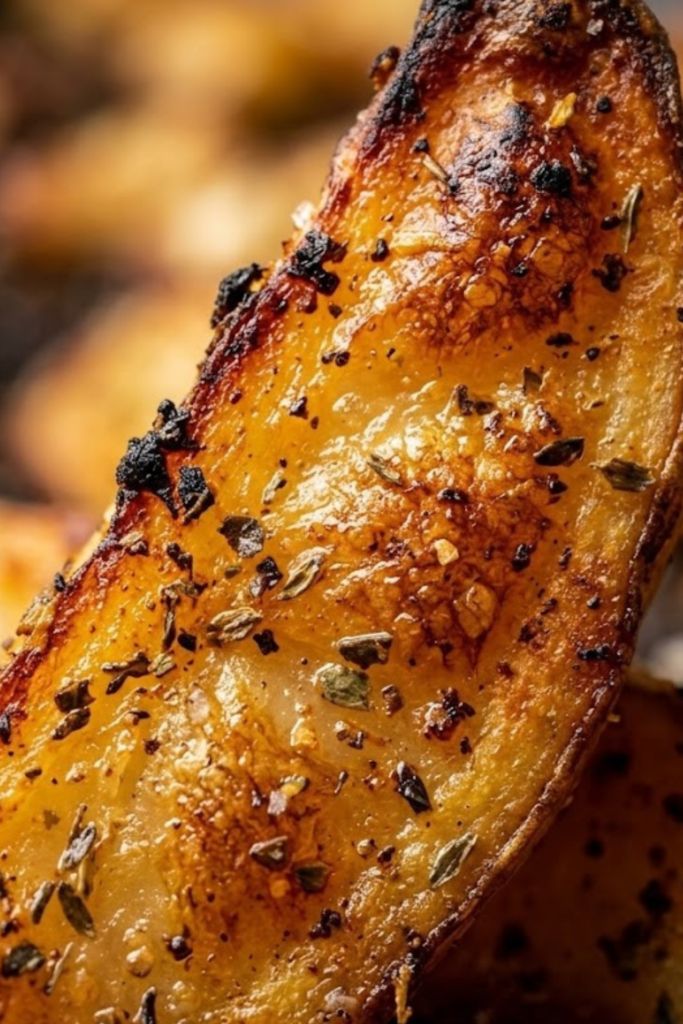
Wrapping this up, I really hope you give these Lemon Oregano Potatoes a try for your next family dinner. They are so much better than just plain old boiled potatoes or those frozen fries from a bag. Honestly, once you taste that mix of zingy lemon and savory oregano, you won’t want to go back to the boring stuff.
Just remember the big points we talked about: grab those Yukon Gold potatoes, cut them into even pieces so they cook right, and don’t be scared of the liquid in the pan. That braising step is what makes them so soft on the inside while the high heat and the metal pan give you those crispy, golden edges. I’ve messed these up plenty of times by being impatient or using the wrong pan, so don’t sweat it if your first batch isn’t exactly perfect. Just keep at it and you’ll get the hang of it!
If you found these tips helpful or if these potatoes end up being a hit with your friends, please share this recipe on Pinterest! It really helps more people find my kitchen adventures and I would love to see how yours turned out. Happy cooking!