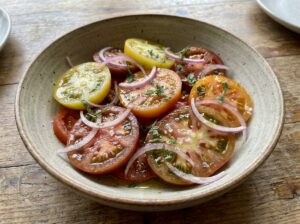
Did you know that an authentic Classic Greek Salad—or Horiatiki—never, ever contains lettuce? It’s true! I still remember the first time I sat at a tiny, sun-drenched taverna by the Aegean sea, expecting a standard bowl of leafy greens, only to be presented with a rustic masterpiece of ripe tomatoes and a giant block of feta that completely changed my perspective on what a salad could be. This isn’t just a standard summer side dish; it’s a vibrant, crunchy celebration of the freshest ingredients that demands you put down the fork and grab some crusty bread to soak up every drop of that liquid gold at the bottom!
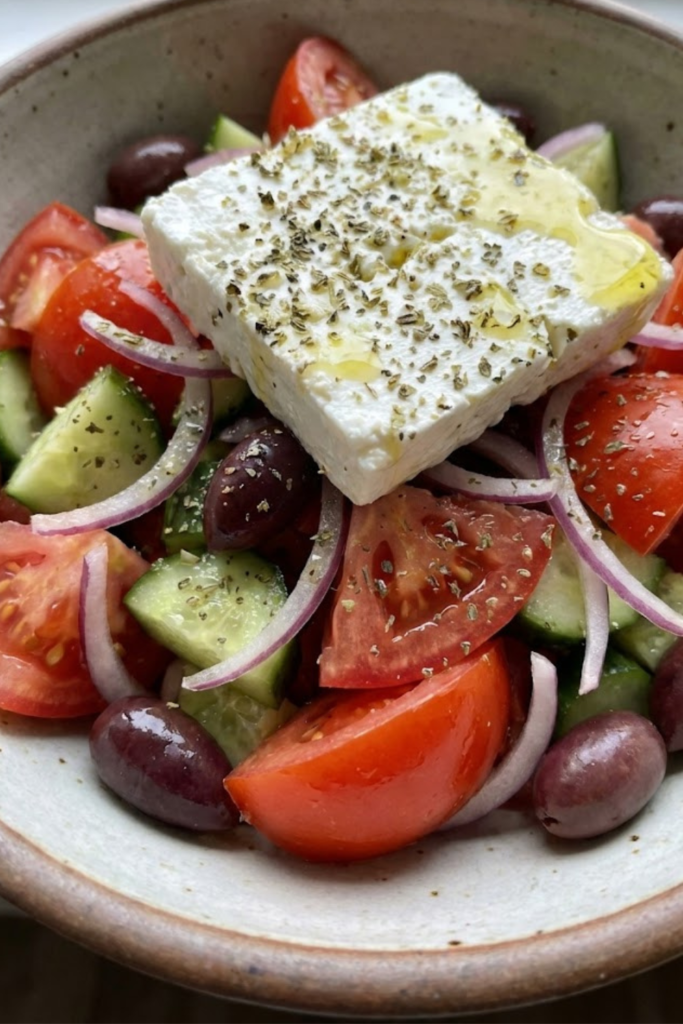
What defines an Authentic Horiatiki Salad?
Look, I have to be honest with you. When I first started cooking Mediterranean food, I was getting it all wrong. I used to toss a bunch of iceberg lettuce in a bowl, throw some crumbled feta on top, and call it a day. I cringe just thinking about it now!
If you go to Greece—and I don’t mean the tourist traps, I mean the little spots tucked away in the mountains—you’ll quickly learn that an authentic Horiatiki (which literally translates to “village salad”) is a totally different beast.
The No-Lettuce Rule
Here is the hill I am willing to die on: a real Classic Greek Salad does not have lettuce. None. Zero. Zip.
I know, I know. It feels weird to make a salad without greens, right? But Horiatiki isn’t about filler; it’s about the raw, unadulterated flavor of summer produce. The first time I served this to my neighbor, she actually looked into the bowl and asked, “Where’s the rest of it?” I had to laugh.
The beauty of this dish is that it’s a peasant dish. It was created by farmers who took what they had on hand—tomatoes, onions, cucumber, olives, and cheese—and ate it in the field. Adding lettuce just waters down the flavor of those gorgeous juices that collect at the bottom of the bowl. And trust me, you want that juice for dipping your bread!
The Art of the “Rustic Cut”
Another mistake I made for years? I was chopping everything way too small. I treated the ingredients like I was making a salsa.
Don’t do that.
You want big, chunky pieces. We are talking wedges of tomato and thick half-moons of cucumber. When I cut the vegetables too small, the salt draws out the moisture too fast, and the whole thing turns into a soggy mess within ten minutes. It was heartbreaking to watch my beautiful organic veggies turn into soup.
Keep it rustic. It’s supposed to look a little messy.
When you take a bite, you want the snap of the English cucumber to fight back a little. You want a distinct mouthful of tomato, then a distinct bite of cheese.
Why Ingredients Matter More Here
Because there is no lettuce to hide behind, there is nowhere for bad ingredients to hide.
- If your tomatoes are mealy? The salad fails.
- If your olive oil is cheap stuff? You’ll taste it immediately.
I learned this the hard way when I tried to make this in the dead of winter with those sad, pale tomatoes from the big-box grocery store. It was… edible, I guess? But it wasn’t right.
This dish is a celebration of the season. It relies entirely on the quality of your produce. So, if you can, hit up your local farmer’s market. Get the stuff that smells like sunshine and dirt.
It’s funny how we overcomplicate things in the kitchen, isn’t it? We think we need fancy techniques or secret sauces. But the best thing I ever learned about Greek cooking is that it’s usually about taking three or four incredible things and just letting them be themselves.
So, put the knife down (well, don’t put it down, just stop chopping so much) and embrace the chunkiness. Your tastebuds will thank you.
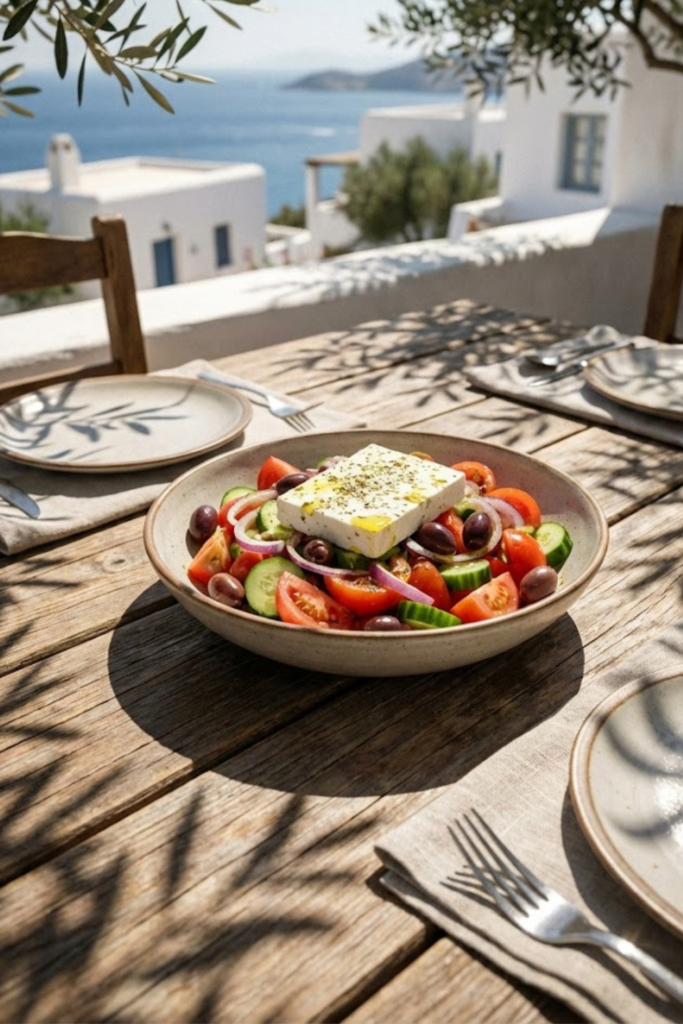
Essential Ingredients for a Classic Greek Salad
I used to think I could just grab whatever was on sale at the supermarket and throw it in a bowl. Big mistake. I remember serving a “Greek” salad to a friend once where the tomatoes were those pale, rock-hard things that taste like wet cardboard. She was polite about it, but I knew I’d messed up.
When you are making a dish this simple, there is nowhere to hide. The ingredients have to be the stars of the show.
The Tomato Situation
If you take nothing else away from this, please hear me on this: use vine-ripened tomatoes.
I’ve tried using standard beefsteak tomatoes in the middle of winter, and it’s just sad. You need tomatoes that are heavy for their size and smell earthy near the stem. If they don’t smell like a garden, put them back. I usually aim for Campari or heirloom varieties if my budget allows it. It makes a huge difference in the sweetness of the final dish.
Cucumbers and Onions: The Crunch Factor
For the longest time, I used those thick, waxy slicing cucumbers. You know the ones? You have to peel them because the skin is so tough it gets stuck in your teeth.
Now, I only use English cucumbers or those little Persian cucumbers. You don’t have to peel them, and the seeds are barely there. It saves me prep time, which I love because I’m lazy in the kitchen sometimes.
Then there are the red onion slices. I love the bite, but sometimes they can be way too aggressive. I learned a trick from a chef friend: slice the onions and soak them in a bowl of ice water for ten minutes. It takes that harsh “burn” away but keeps the crunch.
The Great Feta Debate: Block vs. Crumbles
Okay, here is where I get a little bossy. Please, I beg you, stop buying the pre-crumbled feta.
I used to buy the tubs of crumbles because it seemed easier. But then I read the package and saw they add potato starch or cellulose to keep it from clumping. That stuff ruins the creamy texture!
You want a solid block feta cheese, preferably authentic sheep milk cheese if you can find it. There is something so satisfying about slapping a big slab of feta right on top of the salad. It stays moist and tangy, unlike the dry crumbles.
Don’t Forget the Olives
Finally, ditch the black olives that come in a can. Those belong on a cheap pizza, not here.
You need real Kalamata olives. They are brine-cured, purple, and almond-shaped. I accidentally bought the ones with pits in them last week and nearly cracked a tooth, so maybe look for pitted ones if you aren’t careful. The saltiness they add is just perfect.
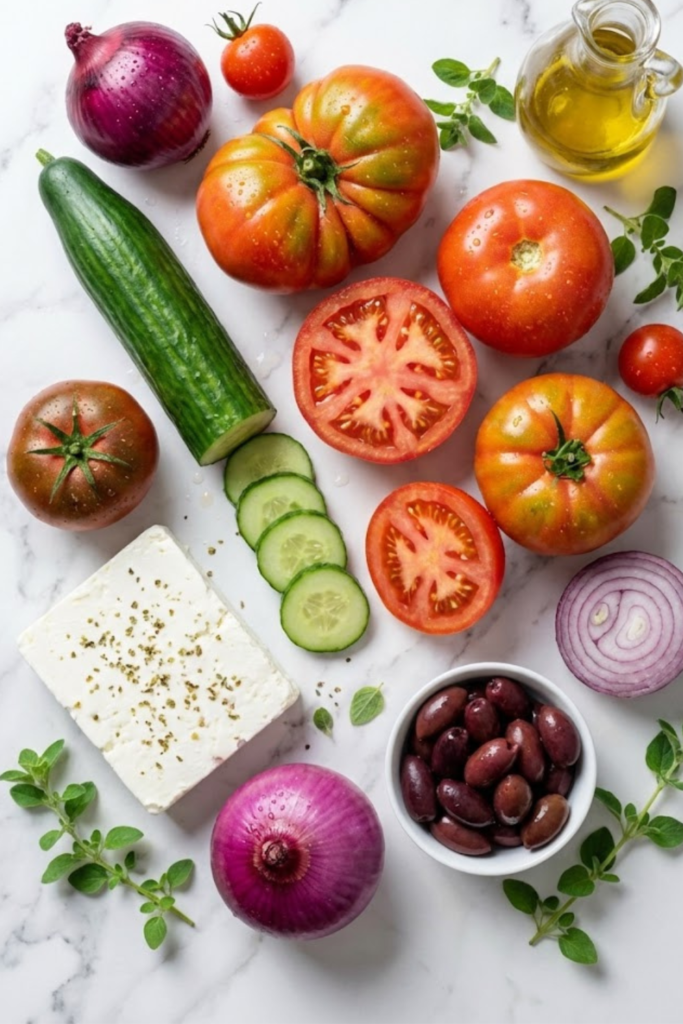
Mastering the Simple Greek Salad Dressing
I have to confess something embarrassing. For years, I was that person buying “Greek Dressing” in a plastic bottle from the grocery store. I know, I know. It had all these weird thickeners and tasted mostly of sugar and old garlic.
When I finally learned how to make a real Greek salad dressing, I was actually mad at myself. It is so simple that it feels like cheating.
It’s All About the Oil
The dressing for a Horiatiki isn’t really a “dressing” in the American sense. It’s mostly just excellent oil.
You have to use high-quality Extra virgin olive oil. Please don’t use the light olive oil you keep in the back of the cupboard for frying chicken. Since you aren’t cooking it, you are going to taste every single nuance of the oil.
I made the mistake once of using a cheap, bitter oil, and it completely ruined the beautiful vine-ripened tomatoes I had spent good money on. Now, I hoard the good stuff—the kind that smells grassy and peppery—specifically for this salad. It provides those heart healthy fats that everyone talks about in the Mediterranean diet, but frankly, I just eat it because it tastes rich and amazing.
The Acid Trip
Okay, not that kind of trip. I’m talking about the vinegar.
While some people squeeze a lemon over the top, the most traditional way I’ve seen it done in the villages is with Red wine vinegar. It has a sharp, tangy kick that cuts right through the creaminess of the feta.
I used to use balsamic, thinking I was being fancy. Don’t do that. It turns the salad a weird muddy brown color and it’s too sweet. Stick to the red wine vinegar. It keeps things bright and punchy.
The Dried Herb Secret
Here is a tip that sounds counter-intuitive: use Dried Greek oregano, not fresh.
I went through a phase where I thought “fresh is always better.” I chopped up fresh oregano leaves and sprinkled them on. It was… okay. But it tasted like grass.
The dried stuff has a more concentrated, earthy intensity that blooms when it hits the oil and the tomato juices. It gives you that classic “pizza shop” smell that makes your mouth water immediately. I like to take a pinch between my fingers and rub it together as I sprinkle it; it wakes up the oils in the herb.
Keep It Simple
You don’t need a whisk. You don’t need a mason jar.
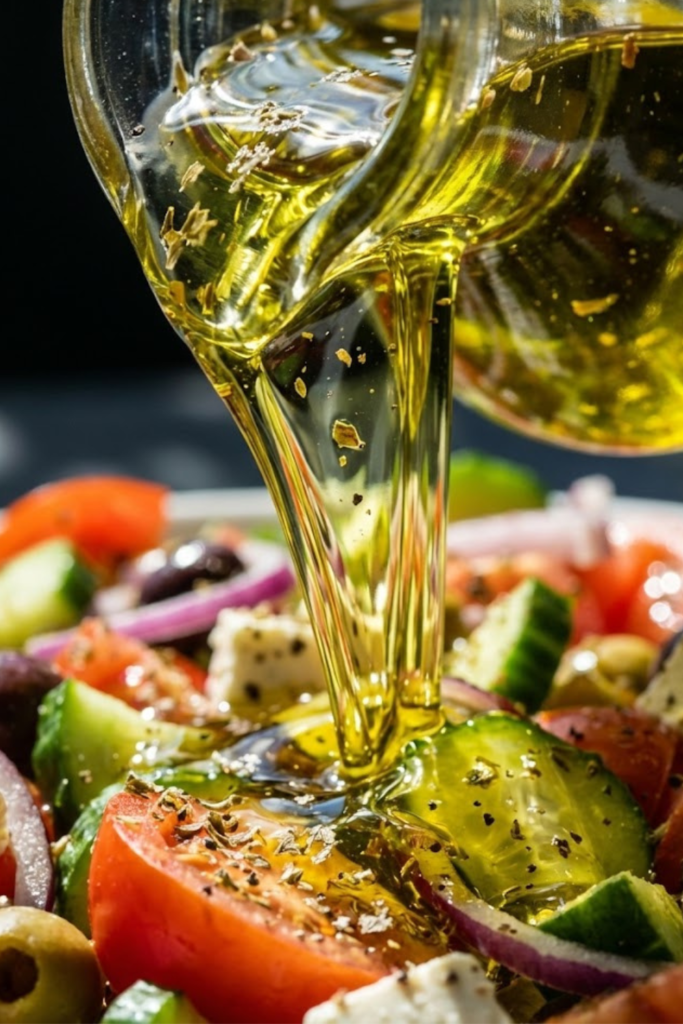
I used to dirty so many dishes trying to emulsify a vinaigrette separately. Now? I just drizzle the oil right over the veggies, splash the vinegar on top, and sprinkle the oregano.
The juices from the tomatoes mix with the oil and vinegar at the bottom of the bowl to create the most incredible simple vinaigrette. It’s basically liquid gold. That’s why you need the bread—to sop up what we call the Papara. Leaving that juice behind should be a crime.
Step-by-Step Assembly Instructions
I used to think that making a salad was just a free-for-all. You know, just toss everything into a bowl and hope for the best. But with this Horiatiki recipe, the order actually matters. If you just dump it all in, the heavy stuff sinks, and the onions get lost at the bottom.
I learned this the hard way at a dinner party where the first person to serve themselves got all the feta, and the last person just got a bowl of onions. It was tragic.
The Prep Work
First things first: wash your veggies, but here is the trick—you have to dry them really well.
I’m serious. If your tomatoes and cucumbers are wet, the olive oil won’t stick to them. It just slides right off. I usually lay everything out on a clean kitchen towel for a few minutes. It feels like an extra step, but it’s worth it.
When you chop, remember the rustic vibe we talked about. I cut the tomatoes into wedges, not cubes. For the English cucumber, I slice them into thick rounds and then cut those in half. You want crunchy vegetables that can stand up to a fork.
The Art of Layering
Don’t just throw them in the bowl. There is a method to the madness.
- Tomatoes First: I always put the tomatoes at the bottom. They are the heaviest and juiciest. As they sit, they release that amazing liquid that becomes the dressing base.
- Cucumbers and Onions: Next, layer on the cucumbers and the red onion slices. I like to scatter the onions so they don’t stick together in a big clump.
- Olives: Sprinkle the Kalamata olives over the top.
By layering it this way, every scoop gets a little bit of everything. It looks prettier, too, which doesn’t hurt.
The Crown Jewel
Now, for the best part. Take that beautiful slab of block feta cheese and place it right on top of the vegetables.
Do not crumble it yet!
There is something so visually stunning about that stark white block against the red tomatoes. It signals to everyone at the table that this is the real deal. Plus, it keeps the cheese from getting dyed pink by the tomato juice before you are ready to eat.
The Final Flourish
Right before you serve—and I mean right before—drizzle that Extra virgin olive oil over everything. Be generous! I don’t measure, but it’s probably a good glug or two.
Follow it with a splash of red wine vinegar.
Then, take your Dried Greek oregano and rub it between your palms as you sprinkle it over the feta and veggies. This releases the oils and makes the kitchen smell incredible.
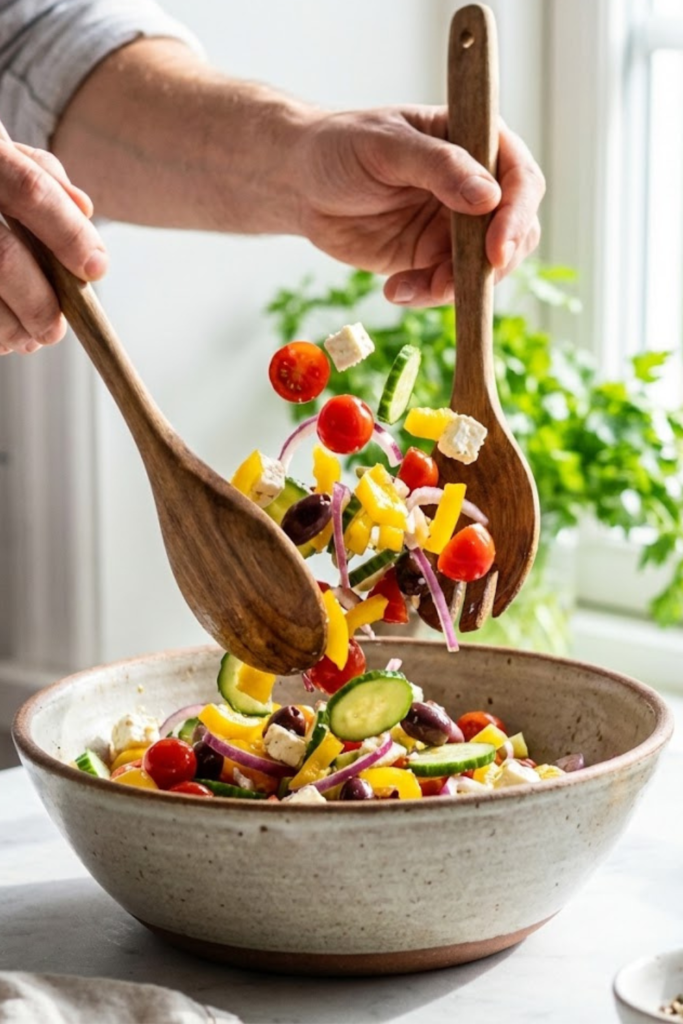
I usually bring it to the table just like that. I let my guests break the feta with their forks and give it a gentle toss. It adds a little drama to the meal, and honestly, it keeps the salad fresh until the very last second.
Serving Suggestions and Pairings
I used to treat salad as this sad thing you ate before the “real” food arrived. But a proper Horiatiki has main character energy. That said, it plays really well with others.
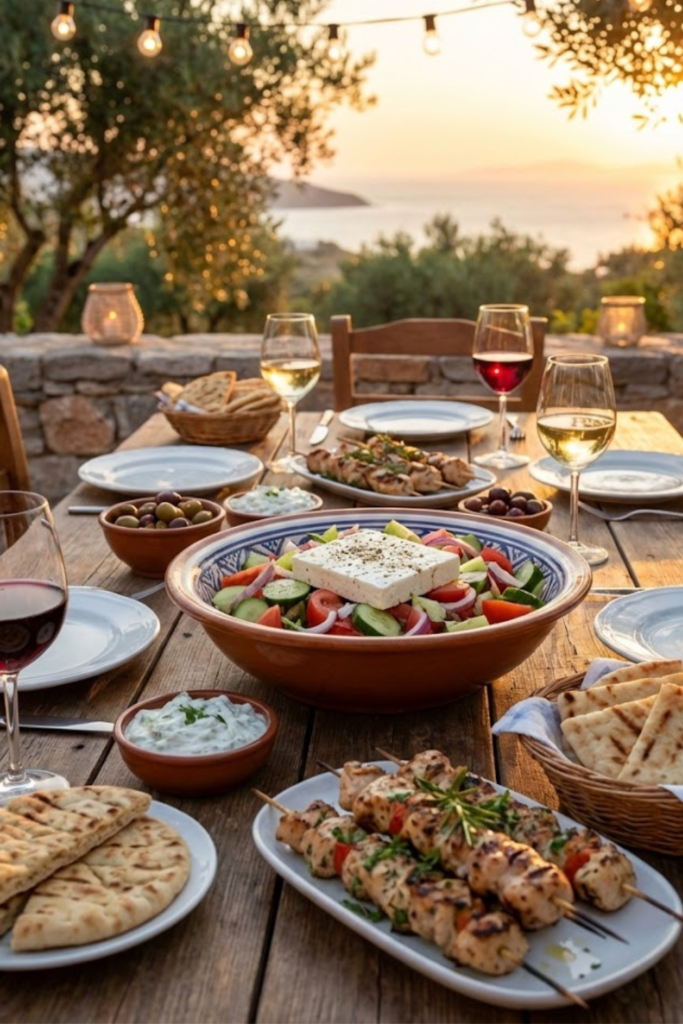
If you are firing up the grill, this is the best Souvlaki side dish hands down. There is something about the cold, crisp veggies against hot, char-grilled meat that just works. I served this last weekend with some lemon-garlic chicken skewers, and honestly, nobody even touched the potato salad I made.
The Bread is Mandatory
I cannot stress this enough: you need bread.
Not soft sandwich bread that falls apart. You need a good loaf of crusty country bread. Why? Because of the Papara. That’s the Greek word for dunking your bread in the salad juices.
I remember fighting my brother for the last piece of bread at the dinner table because we both wanted to wipe the bowl clean. The mixture of Extra virgin olive oil, tomato water, and vinegar is arguably the best part of the meal. If you serve this without bread, you are missing half the experience.
Wine O’Clock
If you are looking to turn this into a nice little patio dinner, pour yourself a glass of white wine.
I’m not a sommelier, but I know what tastes good. A crisp, dry white wine—like an Assyrtiko if you can find it—cuts right through the saltiness of the feta and olives. A dry Rosé is also a killer combo for a light summer meal.
Just don’t pair it with a heavy red wine. I tried that once with a Cabernet, and it just tasted metallic and weird against the cucumbers. Stick to the light stuff.
So there you have it. No lettuce, no fancy dressing, and definitely no pre-crumbled cheese.
Making a Classic Greek Salad is really just about getting out of the way and letting amazing ingredients do their thing. It’s simple, it’s fresh, and it’s honestly one of the best things you can eat when the sun is out.
I hope you give this Horiatiki recipe a try the next time you spot some good looking tomatoes at the market. It might just ruin you for all other salads, but hey, that’s a risk worth taking!
Did this recipe transport you to the Greek islands? Pin this recipe to your Summer Salads Board on Pinterest so you never lose it!