Did you know that the Mediterranean diet has been ranked the world’s healthiest diet for years running? It’s true! I still remember the first time I tried to make a vegetable soup from scratch; I was terrified I’d end up with flavored hot water. But let me tell you, this Beginner Mediterranean Veggie Soup changed everything for me. It is incredibly robust, forgiving, and deeply satisfying. We aren’t just making soup today; we are building a bowl of longevity! Whether you are a total novice or just looking for a quick weeknight win, this recipe is about to become your new best friend. Let’s get cooking!
Why You’ll Love This Hearty Vegetable Soup
I have to be honest with you—finding a meal that checks every single box is rare. Usually, if something is healthy, it takes forever to cook. Or if it is cheap, it tastes like cardboard. That is exactly why this soup has become a regular rotation in my kitchen. It is just simple, honest food that makes you feel good after eating it. You don’t need a fancy culinary degree to pull this off, and you definitely don’t need to spend hours standing over the stove. It is the kind of recipe that makes you wonder why you haven’t been making it for years.
It Is Packed With Good Stuff
We all know we should be eating more vegetables, but actually doing it can be a chore. This soup makes it easy. You are basically getting a multivitamin in a bowl. Because we are using a mix of colorful veggies like carrots, spinach, and tomatoes, you get a wide range of nutrients without even trying. The fiber keeps you full, so you aren’t looking for a snack an hour later. It’s a great way to sneak in those healthy greens for picky eaters, too.
Easy On The Wallet
Let’s talk about the budget for a second. Groceries are not getting any cheaper, and fresh produce can sometimes break the bank if you aren’t careful. The beauty of this Mediterranean soup is that it relies on the humblest ingredients. Carrots, onions, and celery are usually the cheapest things in the produce section. Plus, beans are an incredibly affordable source of protein compared to meat. I love that I can make a giant pot of this for the same price as one takeout meal.
Perfect For Busy Weeks
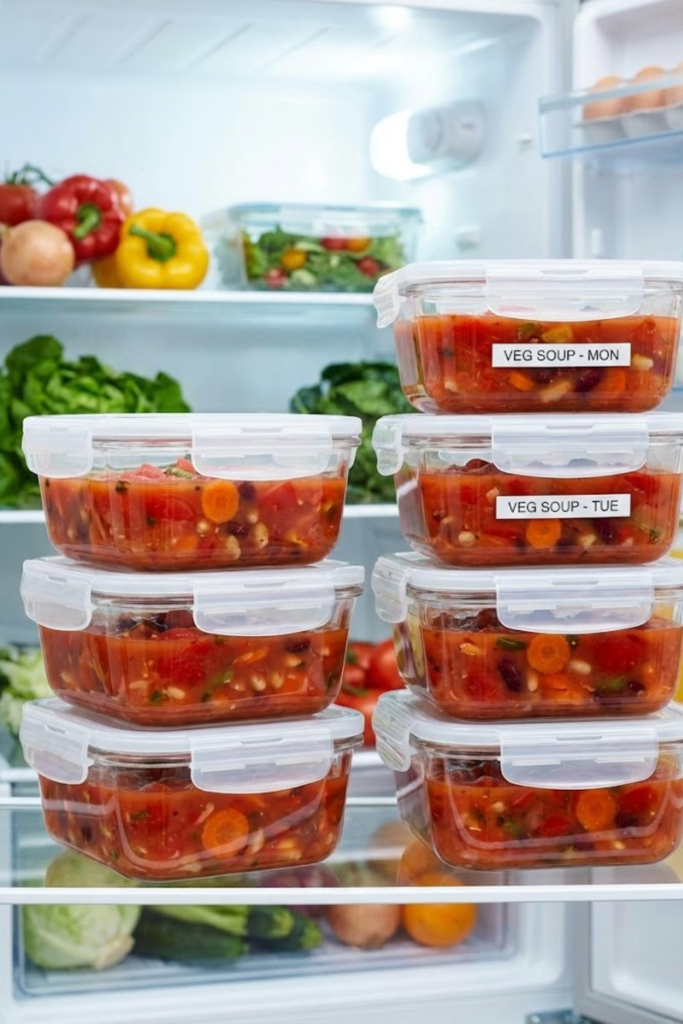
If you are anything like me, you don’t have time to cook a fresh meal every single night. This soup is a lifesaver for meal prep. In fact, I think it actually tastes better the next day after the flavors have had time to sit and mingle together. You can make a big batch on Sunday, and you have a healthy lunch ready to go for the rest of the week. It reheats beautifully and doesn’t get mushy.
Fits Almost Every Diet
Cooking for a crowd can be tricky when everyone has different dietary needs. You might have a friend who can’t do dairy or a family member who is avoiding gluten. This soup is naturally vegan, gluten-free, and dairy-free, so it is safe for almost everyone. You don’t have to make three different meals just to keep everyone happy. It is a real crowd-pleaser that doesn’t feel like “diet food.”
Essential Ingredients for Mediterranean Flavor
You might think you need a special trip to a fancy grocery store to make something that tastes this good, but you really don’t. The magic of this soup isn’t about buying expensive things; it is about using simple ingredients that work well together. I learned the hard way that using fresh stuff where it counts makes a huge difference, but canned stuff is totally fine too. It is all about balance. Here is what you need to grab to get that classic taste without a lot of fuss.
The Vegetable Base
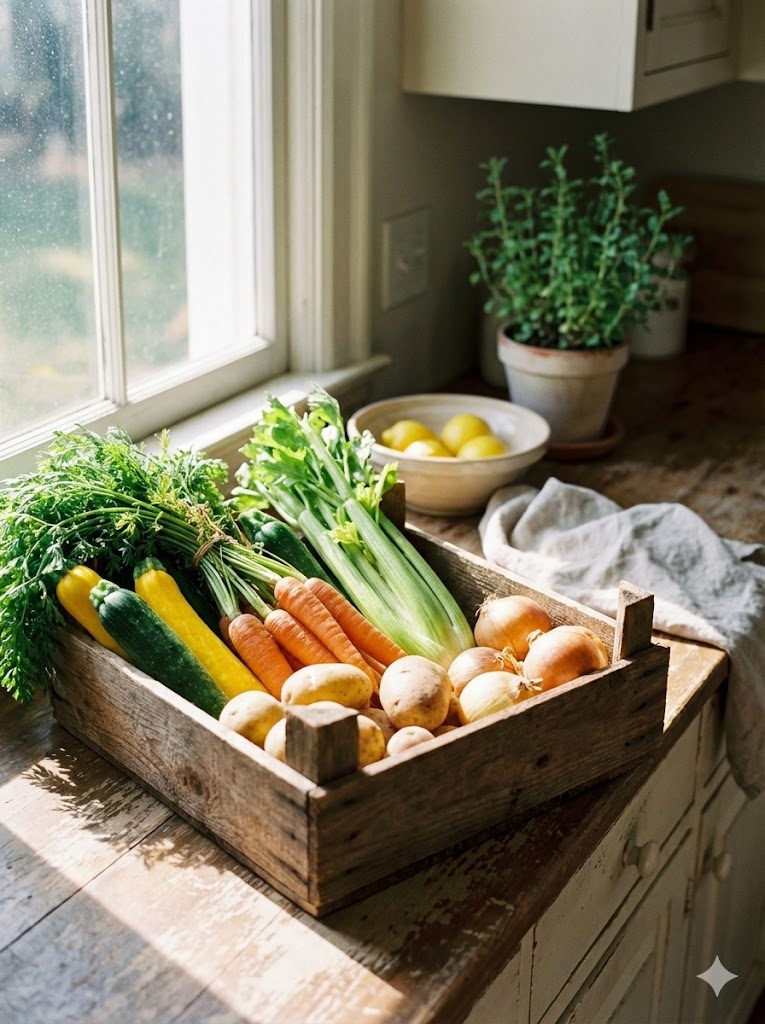
Every good soup starts with what chefs call a “mirepoix,” but I just call it the holy trinity of soup making. You need onions, carrots, and celery. I usually chop these up pretty small because I want them to get soft and release all their flavor into the oil. When you cook these three together, your kitchen is going to smell amazing. Seriously, it is the best smell in the world. If you skip one of these, the soup just feels like something is missing, so try to use all three if you can.
The Pantry Helpers
I always keep a few cans of diced tomatoes and beans in my cupboard just for this recipe. If you can find “fire-roasted” tomatoes, grab those. They have a little bit of a smoky taste that adds a lot of depth to the broth. For the beans, I stick with cannellini beans or Great Northern beans because they are creamy and white, but chickpeas work too. Just make sure you rinse the beans in a colander before you dump them in. You want to wash away that gooey liquid from the can so your soup stays clean and nice.
Fresh Produce Picks
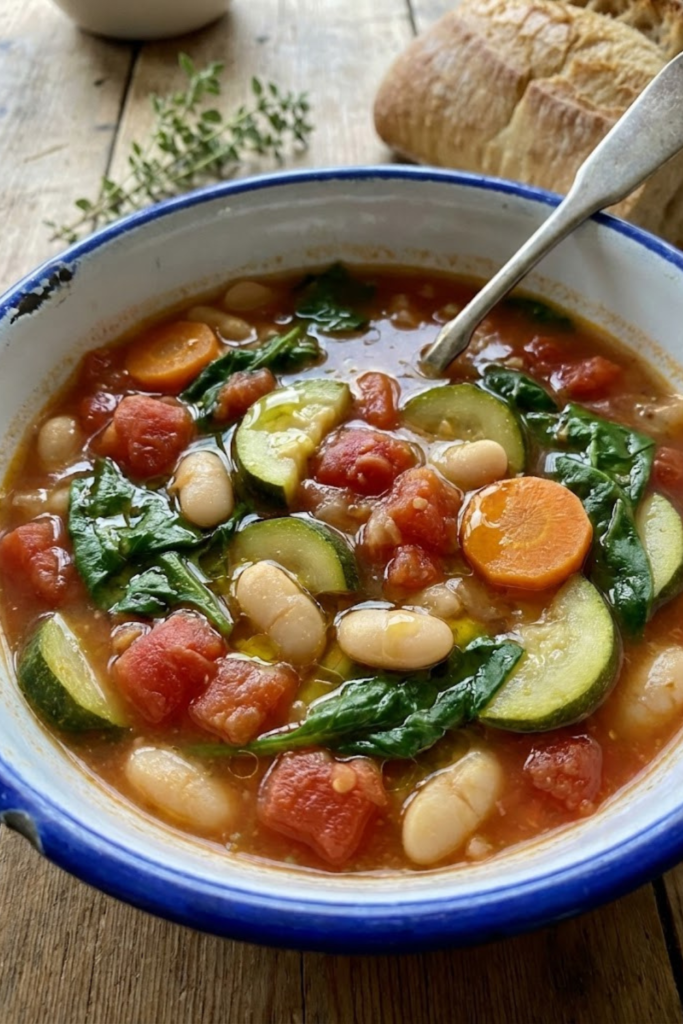
This is where you can have some fun. I love adding zucchini and green beans. The trick with zucchini is not to cut it too thin, or it turns into mush. Keep the chunks a little chunky. For the greens, I used to use kale, but my kids prefer spinach because it is softer. If you use spinach, don’t put it in until the very end, or it will disappear. You want it just barely wilted.
Herbs and That Liquid Gold
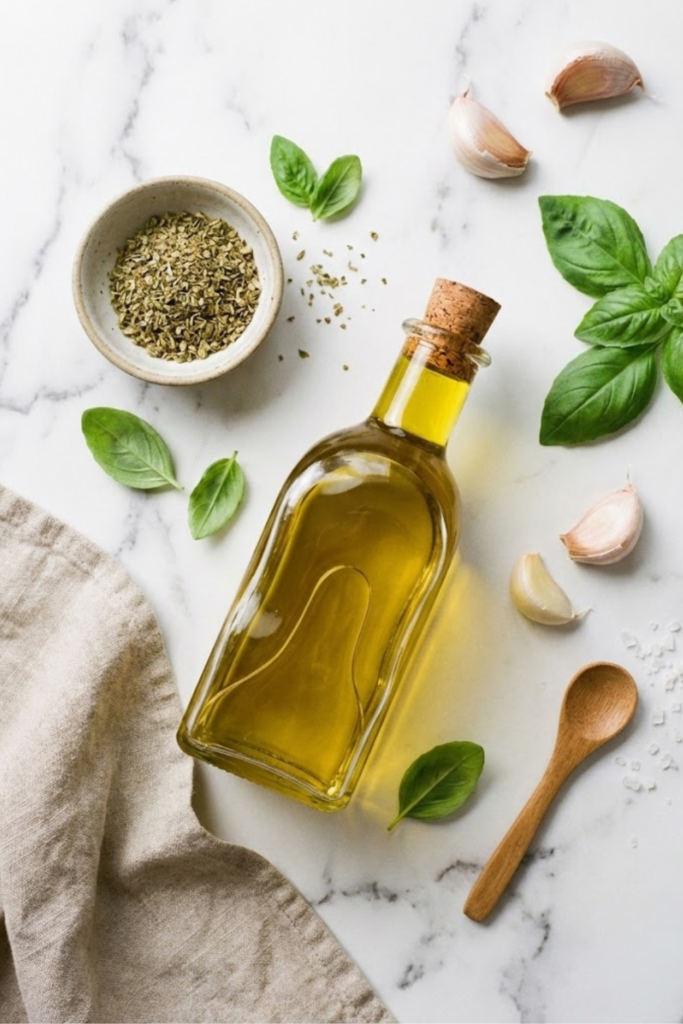
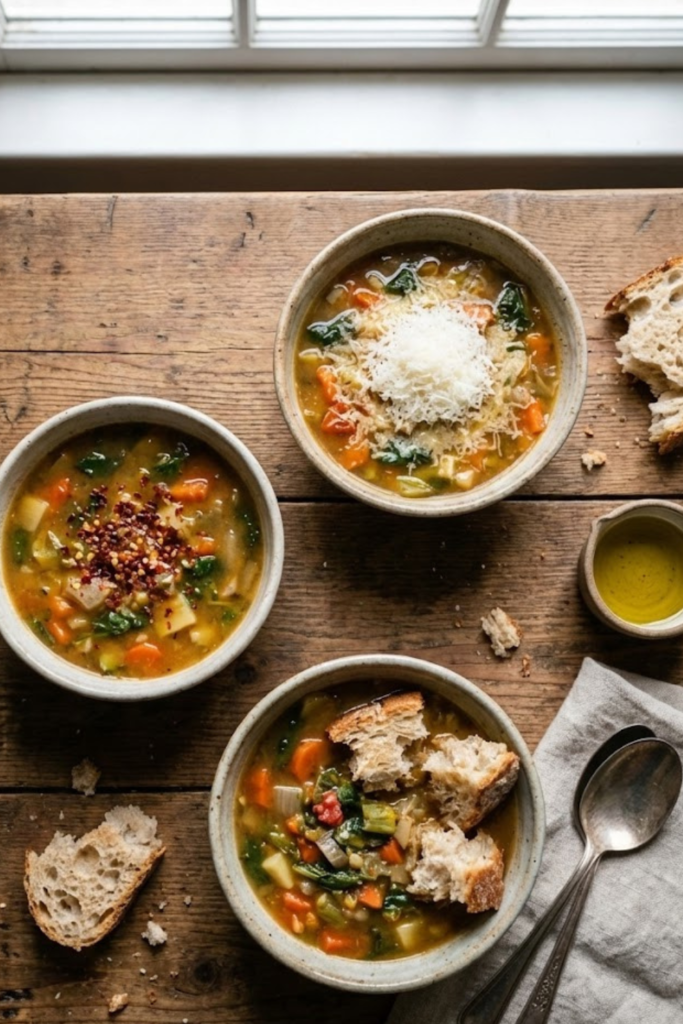
You don’t need fresh herbs if you don’t have them; dried oregano and thyme work perfectly. I usually rub the dried herbs between my palms before dropping them in to wake up the smell. But the real secret? Olive oil. You cook the veggies in it, yes, but you should also save a little bit of your best extra virgin olive oil to drizzle on top right before you eat. It adds this rich, fruity flavor that makes the soup taste like you spent hours on it.
Step-by-Step Instructions for Beginners
Okay, now that we have our groceries sorted, it is time to actually cook. Please do not be intimidated. I know some recipes look like you need a degree in chemistry to figure them out, but this is not one of them. Making soup is really just throwing things in a pot in the right order. It is very forgiving. If you mess up a little bit, it will probably still taste good. I always tell beginners that the most important tool you have is your spoon—taste as you go! Here is exactly how I make it happen in my kitchen.
Getting The Pot Ready
First, grab a large pot. You want something big enough so that when you stir, vegetables don’t fly out onto the stove. Put it on the burner over medium heat and pour in your olive oil. Once the oil shimmers a little bit, toss in your chopped onions, carrots, and celery. This is the most important part. You want to cook these for about 5 to 7 minutes. You are looking for the onions to turn clear or translucent. I usually stir them around with a wooden spoon so they don’t stick. Add the garlic right at the end for just one minute so it doesn’t burn. Burnt garlic tastes bitter, and we definitely don’t want that.
The Simmer Phase
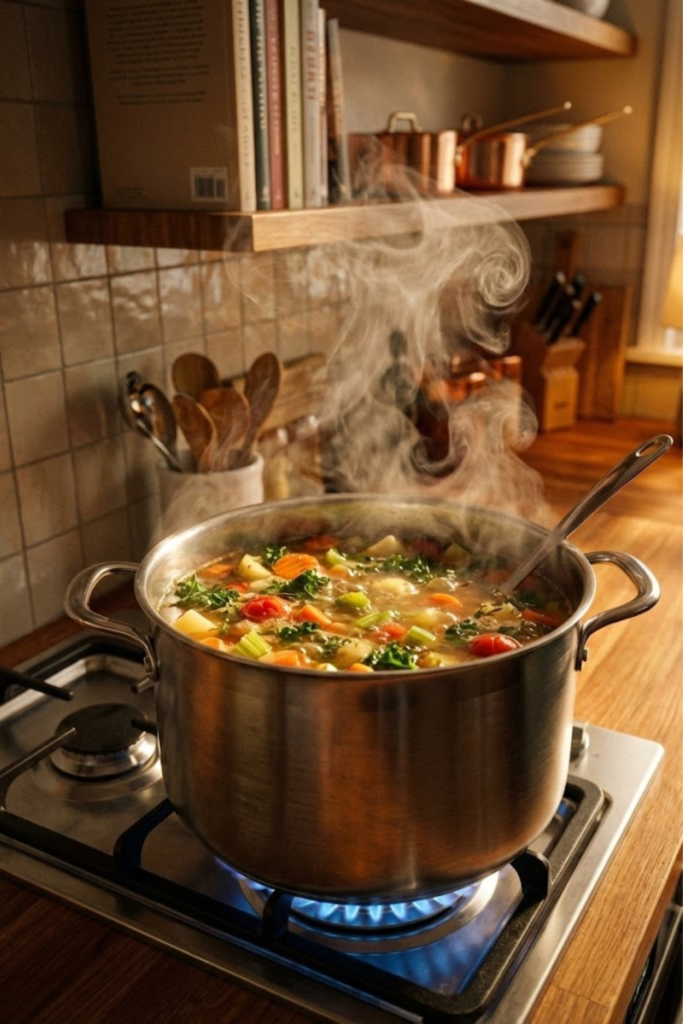
Next, you are going to pour in the vegetable broth and the can of diced tomatoes. I pour the tomatoes in juice and all—don’t drain them! This adds liquid and flavor. Give it a good stir to mix everything up. If you scraped any brown bits off the bottom of the pot, that is actually good; that is where the flavor lives. Turn the heat up just a little until the soup starts to bubble, then turn it down to low. You want a gentle simmer, not a violent boil. Put a lid on it, but leave it cracked open just a tiny bit. Let it cook for about 15 or 20 minutes until the carrots are soft when you poke them with a fork.
Adding The Soft Stuff
Now that the hard vegetables are cooked, it is time for the softer things. Add your zucchini, green beans (if you are using them), and the canned beans. The reason we waited is that zucchini gets mushy really fast. We want it to still have a little bite to it. Let this cook for maybe another 10 minutes. Everything should look colorful and smell great.
The Final Flavor Check
Turn off the heat. This is crucial. Toss in your spinach or kale now. The heat from the soup is enough to cook the greens in just a minute or two without turning them into slime. Finally, squeeze in a little bit of fresh lemon juice. I know it sounds weird to put lemon in soup, but it wakes up all the flavors. Taste a spoonful. Does it need more salt? Maybe some black pepper? Trust your tongue. If it tastes bland, add a pinch more salt until it sings.
Customizations and Swaps
One of the best things about this soup is that you really can’t mess it up. It is what I call a “clean out the fridge” meal. You don’t have to follow the ingredient list exactly to get a great dinner. If you hate green beans, leave them out! It is your dinner, after all. I have changed this recipe a dozen times depending on what I have in my pantry or what looked good at the market that day. Cooking should be fun, not stressful, so feel free to play around with it. Here are a few ways I like to switch things up to keep it interesting.
Pump Up The Protein
While beans are a great source of protein, sometimes my family wants something a little more “meaty” to get them through the night. I have tossed in some leftover shredded chicken from a store-bought rotisserie bird, and it worked out great. It’s an easy way to use up leftovers. If you eat meat, mild Italian sausage is also a winner. You just brown it in the pot before you add the veggies. For my vegetarian friends who want more staying power, adding a half cup of uncooked quinoa while the soup simmers works like a charm. It fluffs up and adds a nice nutty texture that I really enjoy.
Switching Up The Veggies
Don’t feel stuck with just carrots and zucchini. I have used yellow squash when the store was out of green zucchini, and honestly, I couldn’t tell much of a difference. If you want a soup that sticks to your ribs a bit more, try chopping up a Yukon Gold potato or two. Just throw them in with the carrots so they have enough time to get soft. Sweet potatoes add a nice sweetness that balances the acidity of the tomatoes really well. Just make sure you cut your potatoes into small, even cubes so they cook at the same speed as everything else.
Turn Up The Heat
Now, I usually keep things mild for the kids, but I personally love a little kick in my food. A pinch of red pepper flakes goes a long way. I usually sprinkle it on my own bowl rather than the whole pot, just in case someone at the table doesn’t like spicy food. It warms you up on a cold night and clears out the sinuses! If you don’t have flakes, a tiny splash of hot sauce right before serving does the trick too.
Adding Pasta or Grains
Sometimes I crave that classic Minestrone vibe. You can easily turn this veggie soup into a pasta soup by adding small noodles like ditalini, shells, or even macaroni. It makes the meal feel a bit heavier and more comforting. Just a warning though—pasta drinks up the broth like crazy. If you add noodles, you might need to add an extra cup of water or broth so it doesn’t turn into a thick stew. Barley is another good option if you want something chewy and healthy, but remember that it takes a bit longer to cook than pasta.
Serving and Storage Tips
I think the only thing better than a hot bowl of soup for dinner is having that same delicious soup for lunch the next day without doing any work. As a teacher, my lunch breaks are pretty short (and usually spent grading papers), so having a reliable meal ready to go in the staff fridge is a huge win for me. This veggie soup is one of those rare dishes that actually handles storage really well. In fact, I often make a double batch on purpose just so I have leftovers. Here is how I serve it up and keep it fresh so nothing goes to waste.
The Best Sides
Okay, let’s be real—soup is great, but it gets lonely without a buddy. My absolute favorite thing to eat with this is a big chunk of crusty sourdough bread. You need something sturdy to soak up that tasty broth at the bottom of the bowl. If I’m feeling fancy or have guests over, I might make some garlic knots, but usually, just plain toasted bread with a little butter is heaven. If you want to keep things lighter, a crisp green salad with a simple vinaigrette is a nice contrast to the warm, savory soup. It makes the meal feel complete without stuffing you.
Keeping It Fresh
If you are planning to eat the soup within the week, the fridge is your best friend. I let the pot cool down on the stove for a bit before I pack it away. You don’t want to put piping hot food directly into the fridge because it can warm up your other groceries. I like using glass containers because plastic ones sometimes get stained red from the tomatoes. It should stay good for about 4 or 5 days. I actually think it tastes best on day two or three because the herbs have had more time to flavor everything.
Freezing for a Rainy Day
This soup freezes really well, which is great for emergency dinners. I usually pour individual servings into freezer-safe bags or containers. If you use bags, you can lay them flat to save space, which is a neat trick. Just one big heads-up: if you added pasta or potatoes, they don’t freeze very well. They tend to get weird and mushy when they thaw out. So if I know I’m freezing half the batch, I’ll just leave those out and add them fresh when I reheat it.
Heating It Up Again
When it comes time to eat, you have options. If I’m at home, I prefer to reheat it on the stove over medium heat. It heats evenly that way. But at work, I just zap it in the microwave. Since the beans and veggies can soak up the liquid while it sits in the fridge, the soup might look a little thick when you first take it out. Don’t worry! Just stir in a splash of water or broth before you heat it, and it will loosen right back up to the perfect consistency.
So, there you have it. You are officially ready to tackle this Beginner Mediterranean Veggie Soup. I know looking at a recipe can sometimes feel a little overwhelming if you are new to the kitchen, but I promise you, once you make this one time, you will be able to do it with your eyes closed. It really is that simple. I remember being scared to veer off a recipe card, thinking I would ruin dinner and have to order pizza. But this dish is so forgiving. It is the perfect place to start if you want to build up your confidence. You can chop the veggies big or small, you can add more beans or less—it is going to taste good no matter what.
I really hope this becomes a staple in your house like it is in mine. As a teacher, I am always looking for ways to save time and money, and this soup hits both marks perfectly. It is cheap to make, uses ingredients you can find at any regular grocery store, and it feeds a crowd. Plus, knowing you are putting something healthy into your body feels great. We are all trying to do a little better with our health, and meals like this make it painless. You don’t have to eat boring, plain salads to be healthy; you can eat a giant bowl of comforting soup with a nice piece of bread and feel just as good.
I would honestly love to hear how it turns out for you. Did you try any of the swaps we talked about? Did you add some spice or maybe some sausage? Cooking is a journey, and it is fun to share those wins. If you liked this recipe and found it helpful, please consider sharing it on Pinterest. It really helps me out, and it helps other beginners find easy recipes that actually work. Pin it to your “Weeknight Dinners” or “Healthy Eats” board so you can find it again when the weather gets cold. Don’t forget to tag me if you post a photo—seeing your creations makes my day! Thanks for hanging out in my kitchen today, and happy cooking!