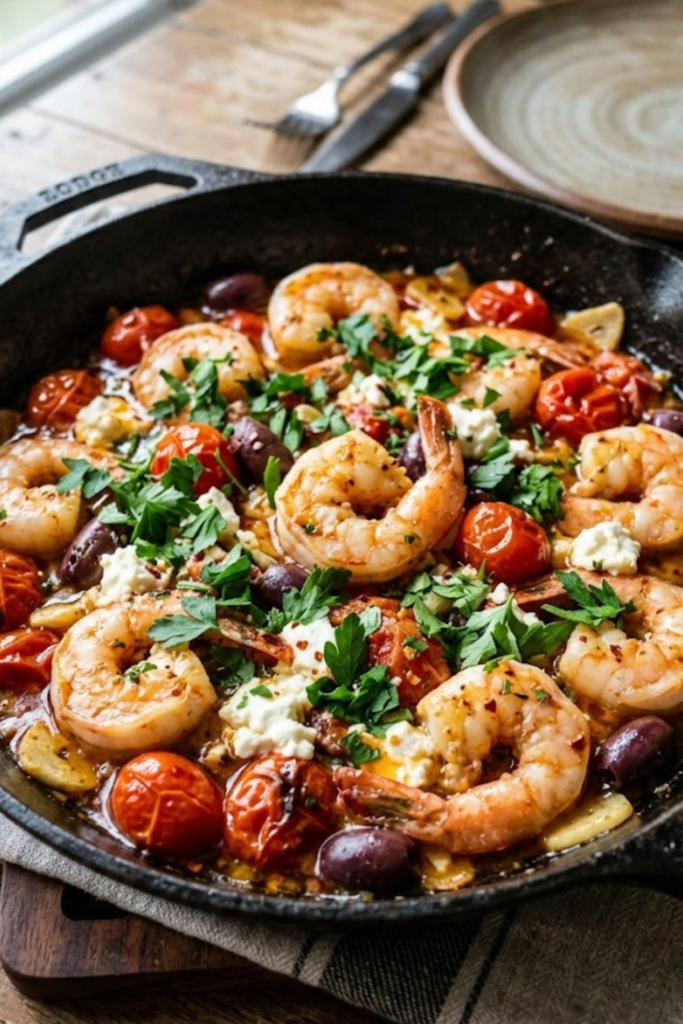
Did you know that nearly 65% of home cooks in 2026 say they prioritize “one-pan” meals over anything else? I totally get that! When I first started cooking, I was terrified of seafood. I thought shrimp would turn into rubber the second I looked at them wrong. But this Beginner Mediterranean Shrimp Skillet changed everything for me. It is fast. It is fresh! It is basically like taking a vacation to Greece without the expensive plane ticket. Honestly, if you have a skillet and twenty minutes, you can make a dinner that looks like a pro chef did it.
Plus, the cleanup is a breeze because you only have one pan to wash at the end of the night, which is a huge win for any busy person. My family actually asks for this meal twice a week, and I don’t even mind making it because it is so easy to throw together. It’s also loaded with all those healthy fats and fresh veggies that make you feel energized instead of sluggish after dinner. You don’t need any special skills to get this right, just a bit of hunger and a big spoon to stir it all up. Let’s get into how this simple dish can save your Tuesday night.
Choosing the Right Shrimp for Your Skillet
When I first started making a Beginner Mediterranean Shrimp Skillet, I would stand in front of the seafood counter for way too long. I felt like I was looking at a math problem I couldn’t solve. There are so many sizes and types! But after a few rubbery dinners, I figured out exactly what works best for this specific meal.
Fresh vs. Frozen: The Big Secret
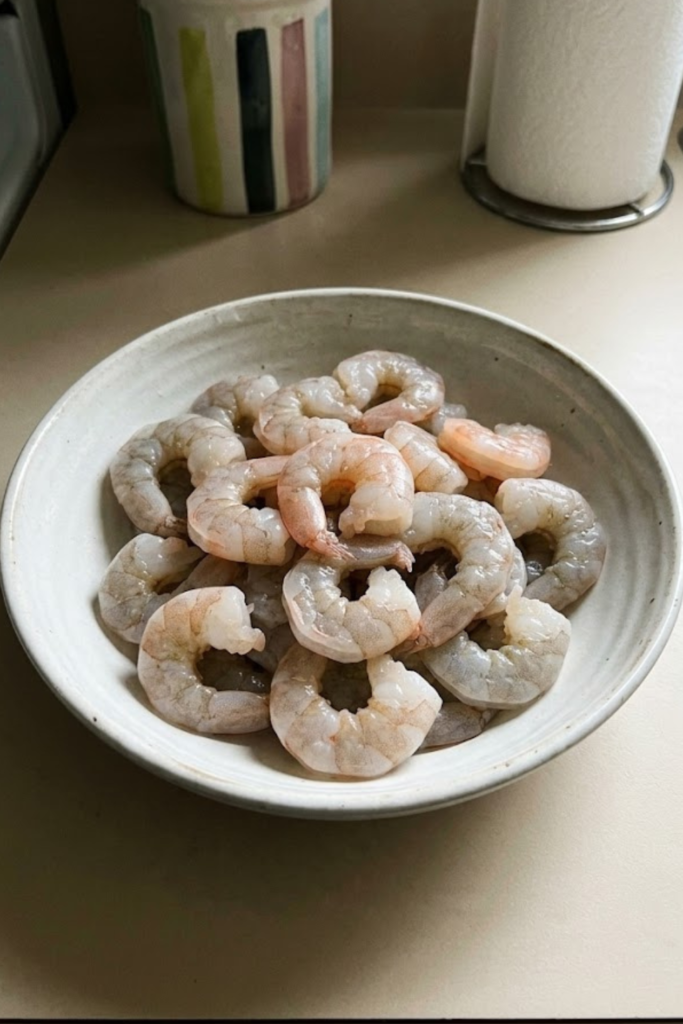
Here is a little secret that many stores don’t tell you. Most of the “fresh” shrimp you see sitting on ice in the glass case were actually frozen first and then thawed out by the workers. Because shrimp goes bad fast, it is almost always better to buy a bag of “flash-frozen” shrimp from the freezer aisle. They are frozen right on the boat, so they stay super fresh until you are ready to cook. Just put them in a bowl of cold water for about 15 minutes, and they are ready to go.
Size and Prep (The 21/25 Rule)
You will see numbers on the bag like 16/20 or 21/25. This just tells you how many shrimp are in a pound. For a Beginner Mediterranean Shrimp Skillet, I always look for the 21/25 size. They are big enough to stay juicy but small enough to cook quickly.
Also, do yourself a favor and buy the bag labeled “P&D,” which means Peeled and Deveined. I spent an hour peeling shells once and my fingers were sore for days. It is much easier to let the pros do that part so you can just focus on the cooking.
Tail On or Tail Off?
This is mostly about how you want the plate to look. I usually leave the tails on because they make the dish look like it came from a fancy restaurant. Plus, the tails actually add a bit more flavor to the sauce as everything simmers together. But, if you are serving this to kids or just don’t want to get your hands messy while eating, go ahead and pull them off before you start. There is no wrong way to do it!
Essential Mediterranean Ingredients You Need
When you are making a Beginner Mediterranean Shrimp Skillet, you don’t need a huge list of items that will sit in your pantry forever. You just need a few things that actually taste good. I used to think I could just use whatever oil was on sale, but I learned pretty fast that the ingredients are what make the flavor pop.
The Healthy Fats
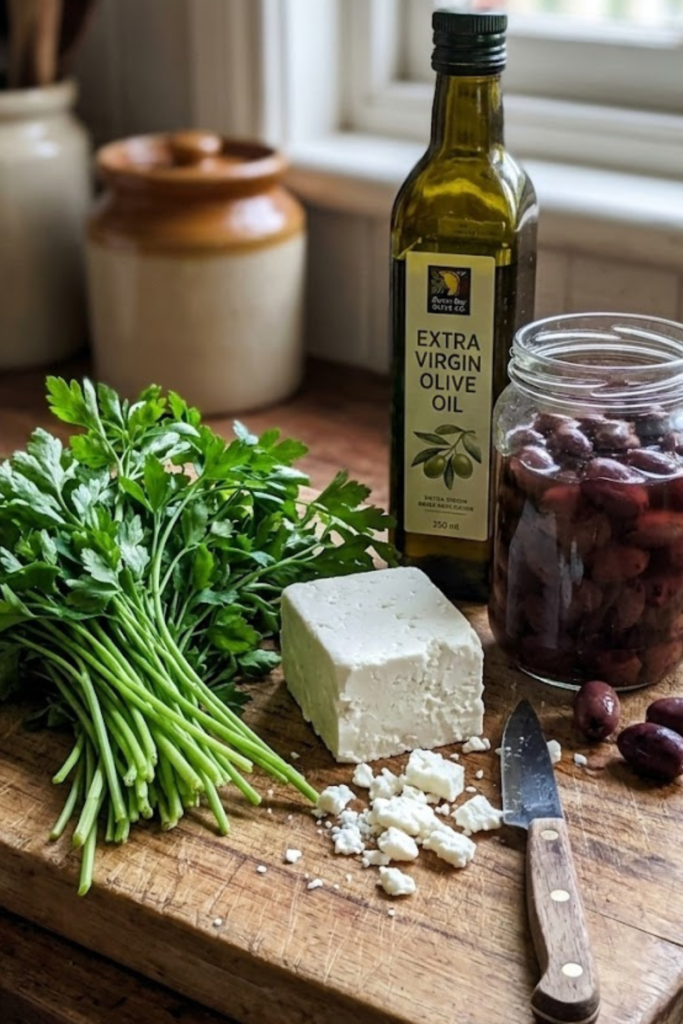
The most important thing in your bag is the olive oil. You want to get “extra virgin” olive oil. Since this recipe doesn’t have a heavy cream sauce, the oil is basically the sauce. It should look a little green and smell like fresh grass. I usually keep a nice bottle just for finishing dishes and a cheaper one for the actual cooking. For this skillet, use the good stuff!
Aromatics (The Smelly Good Stuff)
You can’t have a Mediterranean meal without garlic. I used to use the stuff that comes pre-minced in a jar because I was lazy. Don’t do that! Fresh garlic cloves have a way better bite. I also like to add shallots. They are like a mix between an onion and garlic but much sweeter. They melt right into the oil and make the whole house smell amazing. If you can’t find shallots, a small red onion works too.
The Salty Kick
This is where the magic happens. I always keep a jar of kalamata olives and a block of feta cheese in my fridge. These add a salty punch so you don’t have to use as much salt from the shaker. One tip: try to buy the feta that comes in a tub of water (brine) instead of the pre-crumbled kind. The block feta stays creamy and doesn’t get dry and chalky when it hits the heat.
Common Mistakes Beginners Make (and How to Avoid Them)
Listen, I have messed up a lot of dinners in my time. One time, I tried to cook this Beginner Mediterranean Shrimp Skillet and I didn’t dry the shrimp first. They didn’t sear at all! Instead, they just kind of boiled in their own juices. It was pretty gross, to be honest. I felt so frustrated because I wanted that pretty golden color you see in the food magazines. Now, I always pat them dry with a paper towel. It is a small step, but it makes a huge difference in how they taste.
Another thing I learned the hard way is about the heat. You might think you need to blast the stove to get things moving. Don’t do that! If the pan is too hot, the garlic burns before the shrimp even hit the metal. Burnt garlic tastes like bitter charcoal and it ruins the whole meal. Keep your heat at a nice medium-high. This helps everything cook evenly and keeps those Mediterranean flavors bright and sweet.
I also used to be stingy with the herbs. I thought a little pinch of dried oregano from the back of the shelf was enough. Boy, was I wrong! This kind of food loves fresh stuff. Go heavy on the parsley and the lemon juice at the end. It brightens the whole pan up. If you feel like your dish is “missing something,” it is probably just acid. Squeeze a whole lemon over that Beginner Mediterranean Shrimp Skillet right before you serve it. You’ll thank me later.
Also, please don’t overcook the shrimp. Seriously, keep an eye on them. Shrimp only need about two minutes per side. When they turn pink and look like a “C” shape, they are done. If they turn into a tight “O” shape, you’ve gone too far. They get tough and chewy like a rubber ball when that happens. Just watch them close—it happens fast!
One more thing I see folks do is crowding the pan. If you throw all the shrimp in at once and they are all touching, the pan cools down too fast. They won’t get that nice brown crust. If your skillet is small, just cook them in two batches. It only takes a tiny bit more time, and the taste is way better. Also, don’t forget to pull the pan off the stove the second they look ready. The metal stays hot for a while, so if you leave it there, the shrimp keep cooking and turn into little rubber balls while you are getting the plates ready. I usually move them to a plate right away if we aren’t eating that very second. It might feel like a lot to remember, but after you do it once, you’ll be a pro!
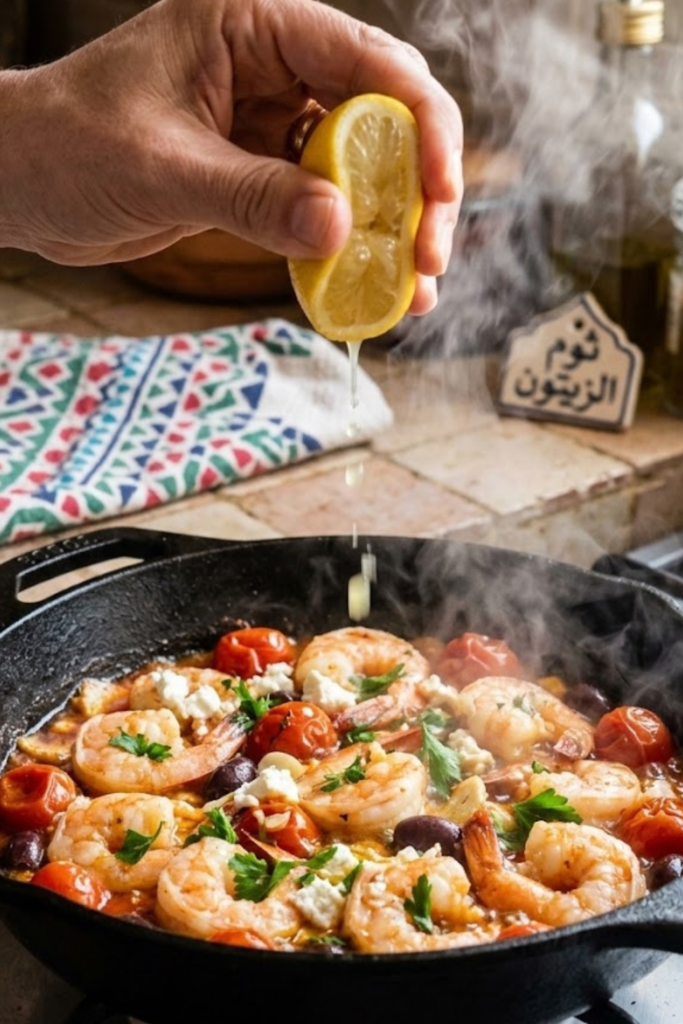
Making a Beginner Mediterranean Shrimp Skillet is one of the best things you can do for your weeknight routine. It is fast, healthy, and uses simple ingredients like olive oil, garlic, and feta that most people already have. Don’t be afraid to make a few mistakes while you learn—that is how we all get better in the kitchen!
I still remember the first time I got the shrimp perfectly pink and juicy instead of rubbery. It felt like a huge win, and I know you can get there too. You can even try adding some extra red pepper flakes if you like a bit of heat, or toss in some fresh spinach at the very end to get more greens in. Cooking shouldn’t feel like a scary task, and this recipe is proof that you can have a fancy-looking dinner without a massive pile of dishes to scrub later. I really hope this meal finds a spot in your weekly rotation just like it did in mine. It is all about building confidence one pan at a time.
If you loved this recipe or found the tips helpful, please share it on Pinterest so others can enjoy a quick taste of the Mediterranean too!