You don’t need a silver fork to eat good food,” as Paul Prudhomme once said, and honestly, he was spot on! I remember the first time I tried to cook fish; it was a total disaster and stuck to the pan like glue. But this Beginner Mediterranean Fish Skillet is a complete game-changer for anyone who feels nervous about seafood! It’s fast, incredibly healthy, and uses simple ingredients like cherry tomatoes, olives, and fresh lemon that make you feel like you’re sitting at a seaside café in Greece. Did you know that over 60% of home cooks feel intimidated by cooking fish at home? Well, we are going to fix that today with a recipe that is literally impossible to mess up, I promise!
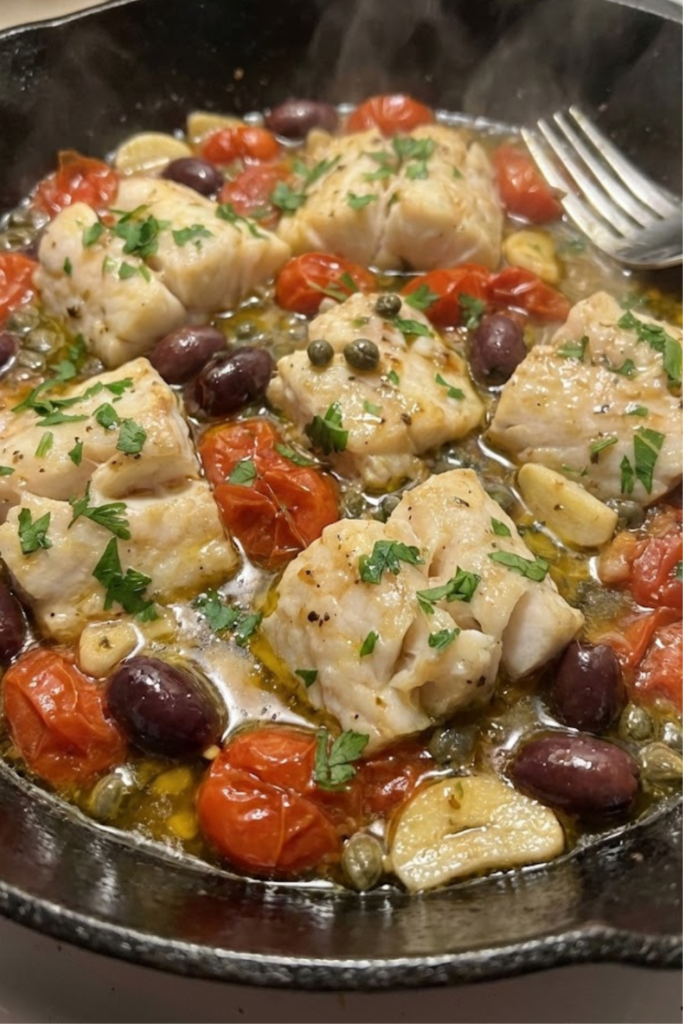
Choosing the Best White Fish for Your Skillet
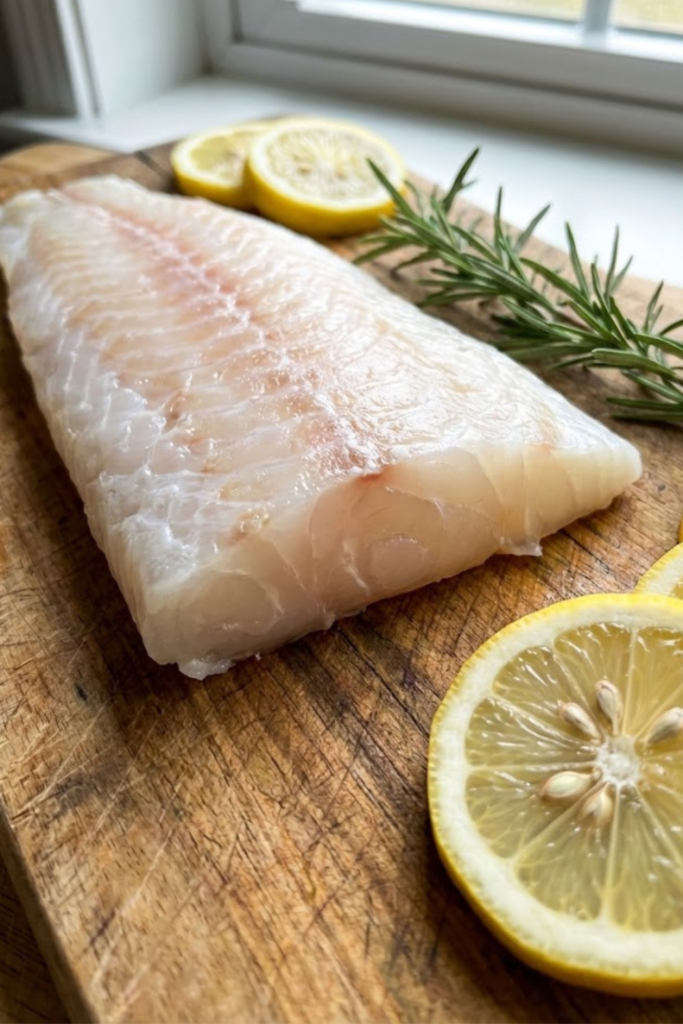
I once had a neighbor named Sarah who was terrified of cooking fish. She told me, “Every time I try, it either smells like a pier or turns into mush!” I told her the secret isn’t just how you cook it, but what you buy. For a Beginner Mediterranean Fish Skillet, you want a sturdy white fish that won’t fall apart on you. I usually go for cod or halibut. These types of fish can take some heat without shredding the second you touch them with a spatula. If you’re trying to save a few bucks, tilapia is a great choice too. It’s mild and very easy to find at almost any grocery store.
When I’m at the store, I always look for the little blue MSC label on the package. It helps me know the fish was caught in a way that doesn’t hurt the ocean. I think it’s important to care about where our food comes from, especially with seafood. Now, let’s talk about frozen fish. It’s totally fine to use! In fact, most “fresh” fish at the counter was frozen at some point anyway. Just make sure you thaw it in the fridge overnight. My big tip: pat the fish really dry with a paper towel before it hits the pan. If it’s wet, it will steam instead of getting that nice brown color we want. I’ve seen my students make this mistake a lot, and it’s a real bummer.
As my old culinary mentor used to tell me, “The fish is the star, so don’t treat it like a background singer.” You want something thick enough that it stays juicy. I’ve found that fillets about an inch thick are the sweet spot for this recipe. If they are too thin, they’ll overcook before your tomatoes even start to pop. Go for a nice, thick piece of cod so it stays flaky and moist throughout the whole cooking process.
Essential Mediterranean Ingredients for Maximum Flavor
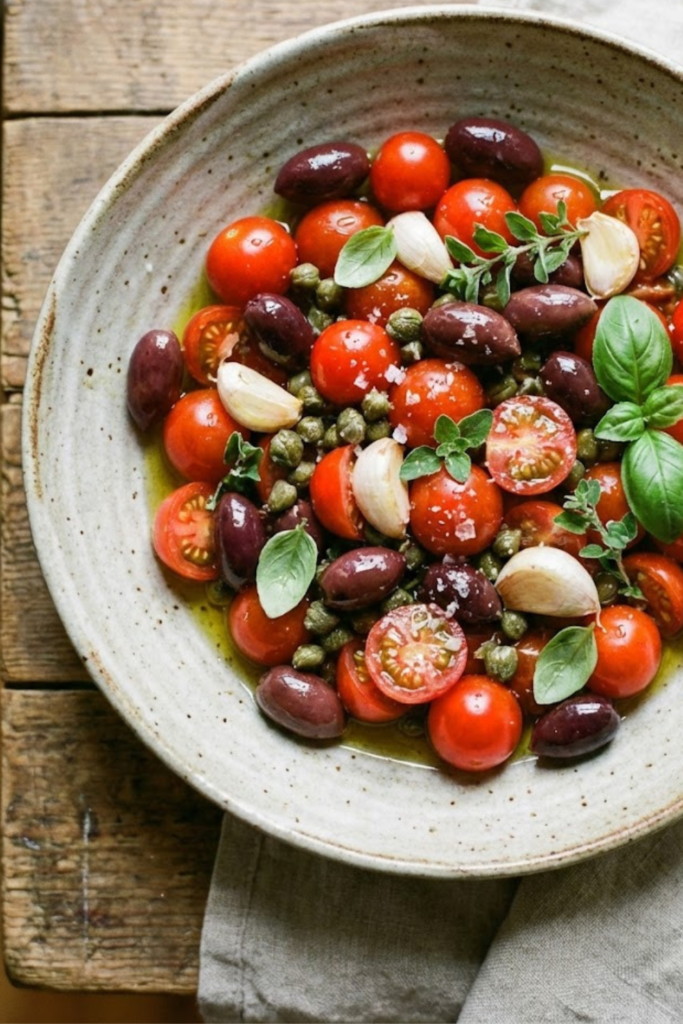
I think the best part about making a Beginner Mediterranean Fish Skillet is the smells that fill up your house. You know what I mean? That specific moment when the garlic hits the hot oil and suddenly your kitchen smells like a fancy seaside cafe. I always start with what I call the “big three.” That’s garlic, shallots, and a really good extra virgin olive oil. I learned the hard way that you shouldn’t be stingy with the oil. One time I tried to use a “low-fat” cooking spray to be healthy, and the fish just looked sad and tasted like nothing. Use the real stuff! The shallots are great too because they are like a mix between an onion and garlic but much sweeter and more mild.
Then we gotta talk about the salty stuff. I absolutely love Kalamata olives and capers in this dish. Now, listen, I know some folks think capers are weird little green peas, but they are actually tiny flower buds that give a huge salty punch. If you use these, you don’t even need to add much sea salt later. It’s like a built-in seasoning that makes the flavors pop. My cousin used to pick them out because she didn’t know what they were, but once she tried them with a bit of the fish, she was hooked!
And please, don’t forget the tomatoes! I always tell my students to use cherry tomatoes instead of the big ones you have to slice. Why? Because cherry tomatoes have a thin skin that pops open the second they get hot. They release all that sweet juice and mix with the olive oil to make a natural sauce right in the pan. It’s way easier than trying to cook a separate sauce. Just toss them in, let them blister a bit, and you have a perfect meal. It really is like magic how just a few simple things from the pantry can taste so good together.
Step-by-Step Cooking Techniques for Flaky Fish
I used to think that cooking fish was like a science experiment where everything had to be perfect or the whole thing would blow up. But making a Beginner Mediterranean Fish Skillet is actually pretty chill once you know a couple of tricks. The first trick is about the heat. I always tell my friends to get the pan hot before they even think about touching the fish. If the oil isn’t shimmering, just wait. I learned this after a dinner party where the fish stuck so bad I had to serve “fish bits” instead of fillets. If you get a good sear, you get that nice golden crust that keeps the juices inside.
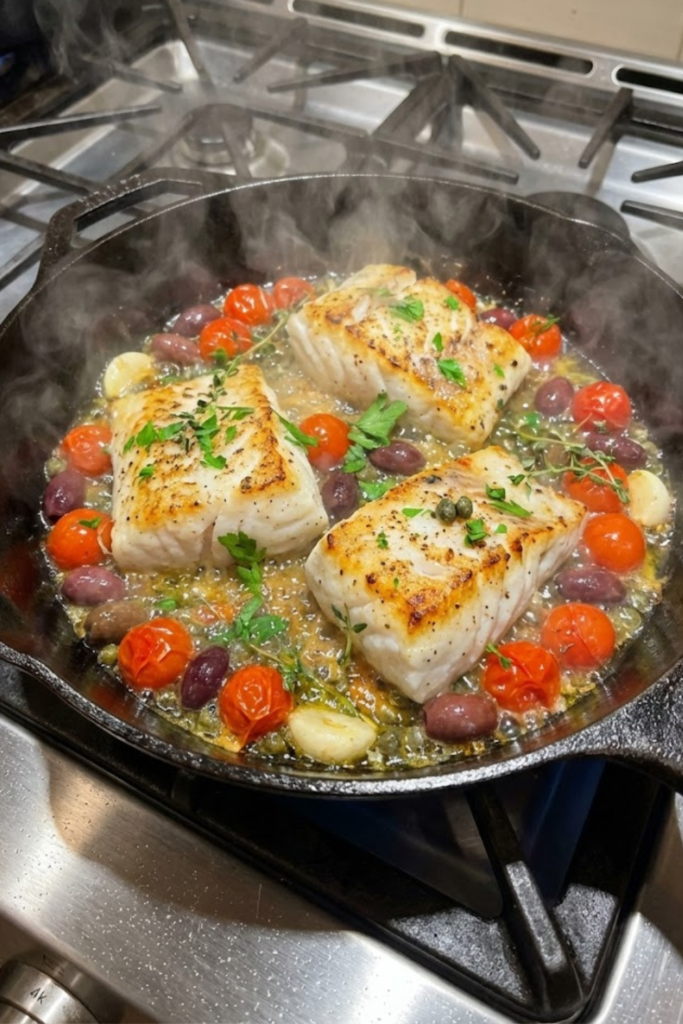
Once you flip the fish, that’s when the one-pan magic happens. I just push the fish to the side a little bit and dump in my tomatoes and olives. You don’t need another bowl or a separate pot for sauce. The heat from the pan makes the tomatoes burst, and their juice mixes with the olive oil. It’s so easy! I usually put a lid on for just a minute or two. This helps the fish finish cooking without drying out the top. It basically steams the fish in its own yummy juices.
The most common question I get as a teacher is, “Samah, how do I know it’s done?” I tell them about the “flake test.” You don’t need a fancy thermometer. Just take a fork and gently push on the thickest part of the fish. If it separates into layers easily—those are the flakes—it’s done! If it feels rubbery or won’t pull apart, give it another minute. There’s nothing worse than dry, overcooked fish that tastes like cardboard. Just keep an eye on it, and you’ll be fine. Cooking is mostly about paying attention, not about being a pro chef.
Common Mistakes to Avoid When Making a Fish Skillet
I’ve been teaching people how to cook for years, and I’ve seen the same mistakes happen over and over. My friend Mike once tried to make a Beginner Mediterranean Fish Skillet for a big date. He was so nervous that he kept poking the fish with a fork every thirty seconds. By the time it was “done,” it looked like fish sticks that had been through a blender! I told him, “Mike, you gotta leave it alone.” If you try to flip it too early, the skin or the meat will stick to the pan and everything falls apart. You have to wait for it to release naturally.
Another thing that ruins a good skillet is adding way too much liquid. You want a light sauce, not a bowl of soup. If you drown the fish in water or too much wine, you lose that beautiful flaky texture and the fish just gets soggy. Also, keep an eye on the clock. Fish cooks way faster than chicken or beef. If you leave it in there too long, it gets tough and chewy. Think about it like this: well-done fish is basically like eating a pencil eraser.
I also see people forget to season both sides of the fillet. They just do the top and think the bottom will figure it out on its own. Nope! You need salt and pepper on both sides to make the flavor really stand out. And please, don’t crowd the pan. If you put too many pieces of fish in at once, the temperature drops and you won’t get that golden brown color. It’s better to cook in two batches if your pan is small. Trust me, taking that extra five minutes makes a huge difference in how the meal turns out.

I really hope you feel ready to tackle this Beginner Mediterranean Fish Skillet now! Honestly, if I can learn to cook fish without making a giant mess, anyone can. It’s all about having those fresh ingredients like the cherry tomatoes and olives ready to go and not overthinking the actual cooking part. Just remember to keep your pan hot, pat that fish dry, and let it do its thing without poking it too much. It’s such a fast way to get a healthy dinner on the table, and it tastes way more fancy than it actually is to make.
I remember the first time I served this to my family; they thought I had spent hours in the kitchen, but I was actually just catching up on my favorite show while the tomatoes were simmering. That’s the best kind of cooking, right? It makes you look like a pro while keeping things stress-free. If you give this recipe a shot, I’d love to hear how it went for you. Please share this on Pinterest so your friends can see how easy and yummy a healthy fish dinner can be!