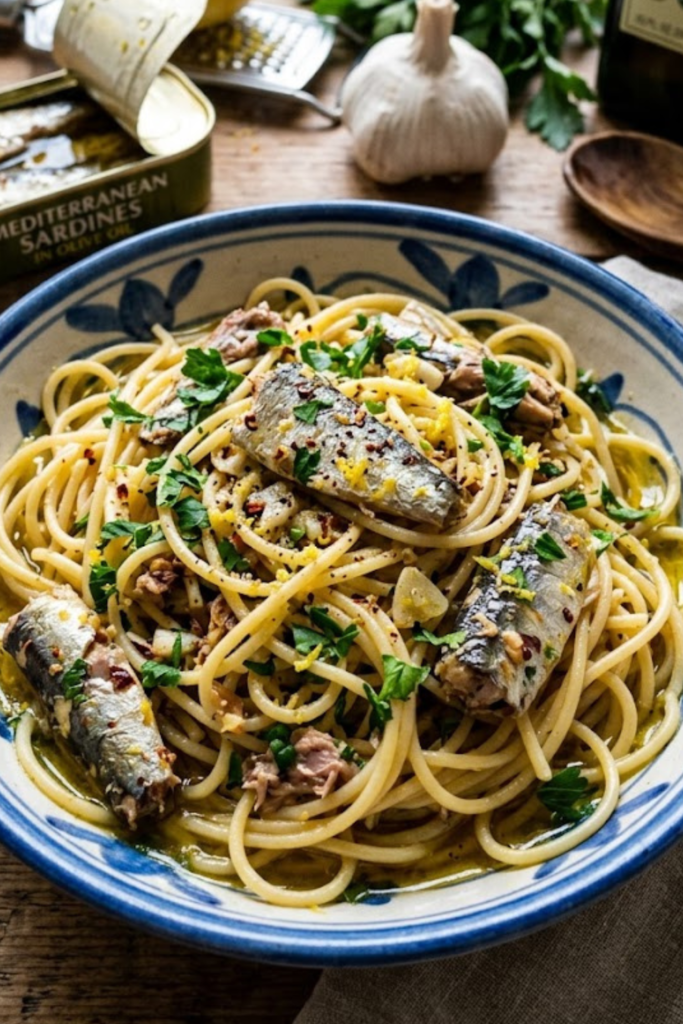
Listen, I used to be a total sardine skeptic. I thought they were just salty little fish in a tin that belonged in a survival bunker, not a gourmet kitchen! But did you know that sardines are one of the most sustainable and nutrient-dense seafood options on the planet? Honestly, once I tossed them into a pan with some sizzling olive oil, fragrant garlic, and a splash of lemon, my mind was completely blown. This Mediterranean Sardine Pasta is my go-to “I have nothing in the fridge” meal that actually tastes like a million bucks. It’s zesty, briny, and incredibly satisfying. Let’s get cooking!
Choosing the Right Tinned Sardines for Flavor
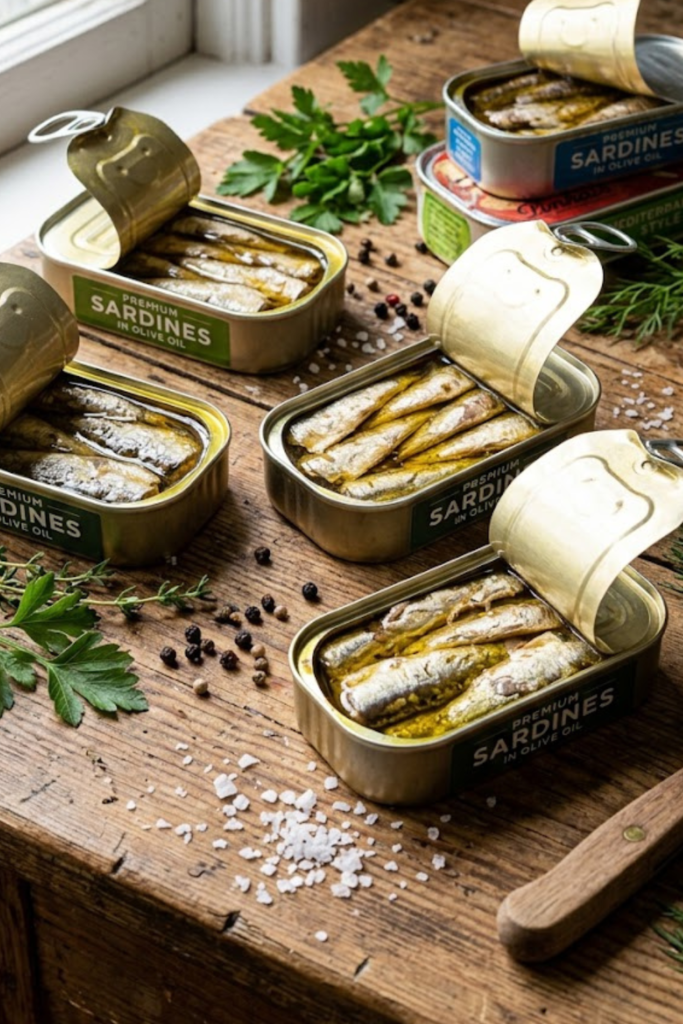
I’ve spent a lot of time staring at the canned fish aisle, and let me tell you, it can be pretty confusing. When you are making this pasta, the sardines you pick will make or break the whole dinner. I always reach for the ones packed in extra virgin olive oil. Why? Because that oil is liquid gold. It’s already infused with the flavor of the fish, and I actually use it as the base for my sauce instead of pouring it down the sink. If you get the ones in water, the fish can be a bit mushy and they just don’t have that rich, silky mouthfeel we want.
You also have to decide between bone-in or boneless. Personally, I’m a big fan of the whole sardines with the bones. Before you get grossed out, hear me out! These bones are super soft and full of calcium. Once they hit the hot pan and you start stirring, they basically dissolve into the sauce. You won’t even know they are there, but your body will thank you for the extra nutrients. Plus, I think the flavor is just deeper.
Another thing I’ve learned is to look for the little blue MSC label on the tin. It’s 2026, and we really need to think about where our seafood comes from. That label means the fish were caught in a way that doesn’t mess up the ocean for everyone else.
Don’t be afraid to spend an extra dollar or two on a “premium” brand if you can. Some of the cheaper tins can be a little too fishy or metallic. A good tin should smell like the sea, not like a tin can. When you crack it open, the fish should look plump and silver. If you find a brand you love, buy a whole case. These things stay good in the pantry for a long time, and they are the best backup plan for those nights when you are too tired to go to the grocery store but still want a meal that feels special.
Prepping Your Aromatics: Garlic, Chili, and Lemon
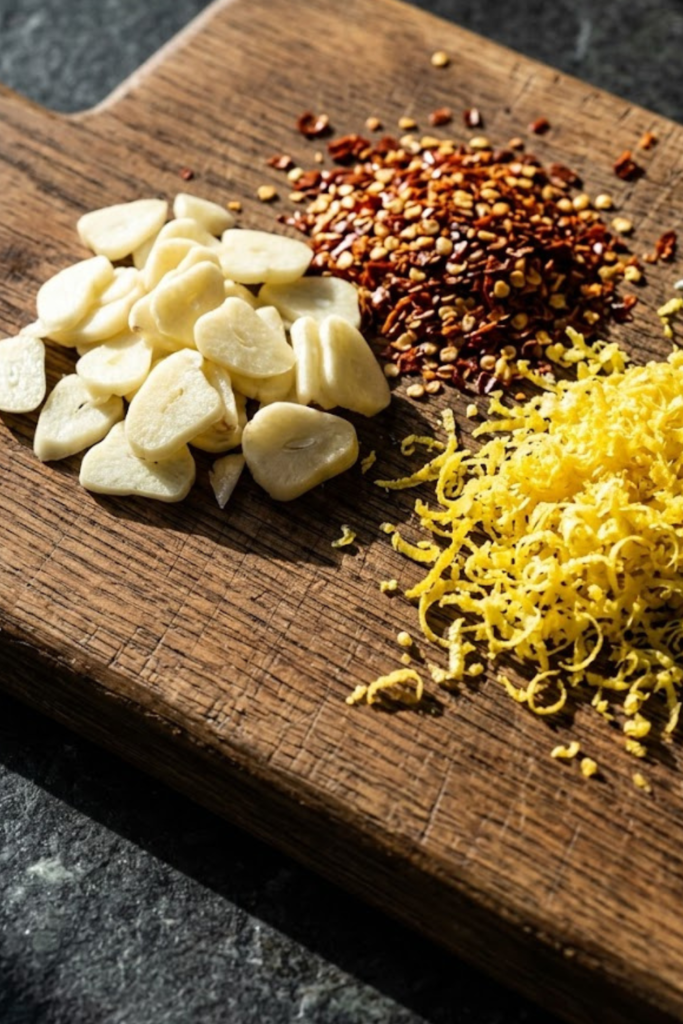
Honestly, the real magic of this dish happens in the first five minutes when you start prepping your aromatics. I used to just toss everything in a blender or mince it into tiny bits, but I’ve learned that the way you cut your ingredients totally changes how the pasta tastes. For the garlic, don’t press it! Instead, take your time to thinly slice about four or five big cloves. You want those little “chips” of garlic because they get all golden and mellow in the oil without burning as fast as minced garlic does. It makes the flavor much more sophisticated and less harsh.
Then comes the heat. I always keep a jar of crushed red pepper flakes in the back of my cupboard. You don’t need a ton, just a pinch or two depending on how much you like to sweat! When those flakes hit the warm oil along with the garlic, they release this beautiful orange color and a smoky warmth that cuts right through the richness of the sardines. It’s that balance of fat and heat that makes you want to keep eating.
But the real game-changer? The lemon. A lot of people just squeeze a bit of juice at the end, but you’re missing out if you don’t use the zest. I use a microplane to get all that bright yellow skin off before I cut the lemon in half. The zest has all the essential oils and gives you that punchy, citrus aroma without making the sauce too watery or sour. I usually add half the zest into the oil with the garlic to wake it up, and save the rest for a fresh pop right before serving.
It’s these little steps—slicing instead of smashing, and zesting instead of just squeezing—that turn a “pantry meal” into something you’d actually want to serve to guests. Plus, your kitchen is going to smell incredible while you’re doing this. Just make sure you have everything chopped and ready to go before you turn on the stove, because once that garlic starts sizzling, things move pretty fast!
The Secret to the Perfect Al Dente Spaghetti
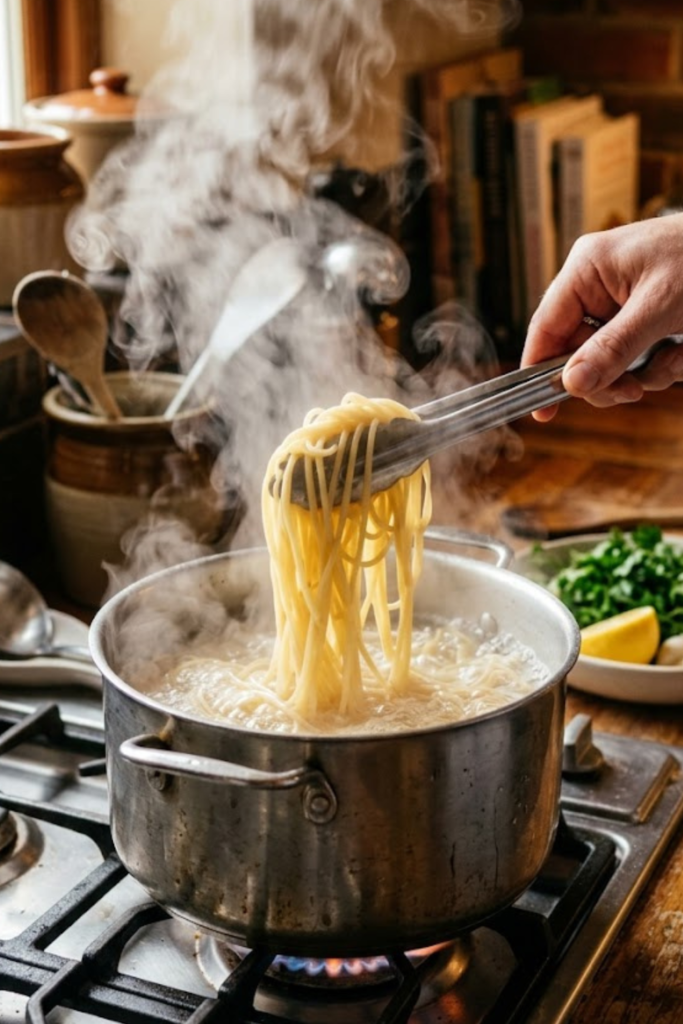
I can’t tell you how many times I’ve ruined a good pasta dish by letting the noodles get too soft. For this sardine recipe, the texture of the spaghetti is everything. You want it “al dente,” which literally means “to the tooth.” It should have a tiny bit of a firm bite in the middle. If it’s mushy, it just won’t hold up against the oily, chunky sardine sauce.
First things first: salt your water like the sea. I know it sounds like a lot, but adding a big handful of salt to the boiling water is your only chance to season the pasta itself. If the water doesn’t taste salty, your pasta will taste bland, no matter how good the sauce is. Don’t skip this!
Here is the biggest tip I ever learned from a chef friend: pull the pasta out of the water about one minute before the box says it’s done. It should still be a little too firm to eat. Why? Because you are going to finish cooking it right in the pan with the sardines and garlic. This lets the noodles soak up all that fishy, garlicky oil instead of just sitting on top of it.
And whatever you do, do not pour all that pasta water down the drain! That cloudy, starchy water is “liquid gold.” Before I drain the spaghetti, I always dunk a measuring cup into the pot and save about a cup of the water. When you toss the pasta into the pan, add a splash of that starchy water. It helps the oil and the lemon juice emulsify, which is just a fancy way of saying it turns into a silky sauce that actually sticks to the noodles. Without it, the oil just pools at the bottom of the bowl, and nobody wants that.
Mediterranean Toppings: Parsley and Toasted Breadcrumbs
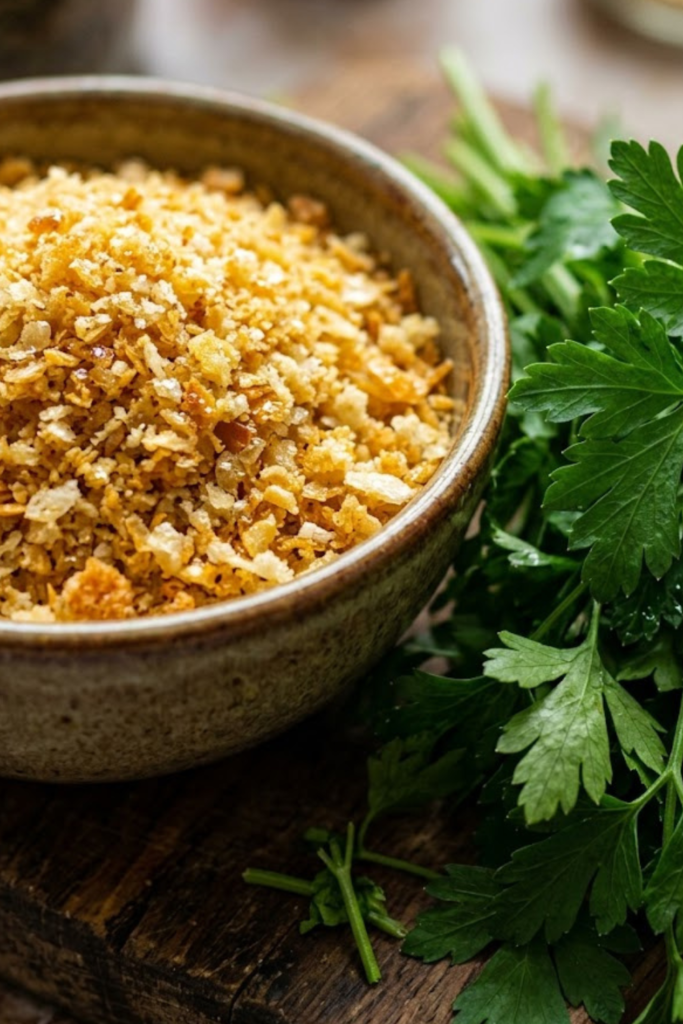
Whenever I make this for friends, they always ask why it tastes so much better than the version they try at home. The secret isn’t actually in the fish—it’s in the crunch! In Italy, especially in Sicily where this dish comes from, they often use something called “Pangrattato.” It’s basically just toasted breadcrumbs, but it acts like a “poor man’s parmesan.” Since many people think cheese and seafood don’t mix, these golden crumbs provide that salty, savory hit you need.
I usually take a separate small pan, melt a tiny bit of butter or oil, and toss in some coarse breadcrumbs until they turn a deep, nutty brown. If you have some leftover sourdough, grating it yourself makes it even better. That contrast between the silky, oily pasta and the crisp, crunchy topping is what makes every bite so addictive.
Then, you need to be generous with the greenery. I don’t just use a little sprinkle of parsley for decoration; I use a whole mountain of it. Flat-leaf parsley is best because it has a cleaner, more peppery taste than the curly kind. Chop it up roughly and throw it in right at the very end. The heat from the pasta will just barely wilt it, releasing all that fresh, earthy aroma that balances out the briny sardines.
If I’m feeling a bit fancy or have people over, I’ll sometimes toss in a spoonful of capers for a vinegary pop or some toasted pine nuts for a bit of sweetness. But honestly? Even just the breadcrumbs and parsley are enough to take this from a simple pantry meal to a dinner that feels totally complete. Just don’t forget to put the bowl on the table and let everyone add their own extra crunch at the last second!
I really hope you give this Mediterranean Sardine Pasta a shot—it’s a total game-changer for those busy weeknights when you feel like you have “nothing to eat.” It is honestly amazing how a few humble pantry staples can turn into such a sophisticated, healthy meal that feels like you’re sitting at a seaside cafe.
Between the healthy omega-3s from the fish and that bright, zesty lemon, it’s a dinner that makes you feel good after you eat it, too. If you enjoyed this recipe or if you have your own secret “tinned fish” tip, let me know! Please share this recipe on Pinterest so other people can discover the magic of the simple sardine. Happy cooking!