Did you know that adding a squeeze of lemon to your greens can actually increase your body’s absorption of plant-based iron? It’s true! I used to think veggies were just the “boring” part of the plate that I had to finish before getting to the good stuff. Boy, was I wrong! After years of trial and error in my own kitchen, I discovered that Lemon Herb Vegetables aren’t just a side dish; they are the absolute star of the show. We’re talking about a burst of sunshine in every bite, combining snappy textures with that hit of acidity we all crave. Let’s dive into how you can make your kitchen smell like a Mediterranean garden!
I remember when my kids used to push their broccoli around the plate like it was some kind of chore they had to finish. Once I started using this lemon and herb trick, I actually caught them sneaking seconds right out of the pan. It really changes the whole vibe of the meal when the vegetables have as much flavor as the main course. Plus, it’s such a relief to have a go-to recipe that doesn’t require a ton of expensive ingredients or hours of prep. You probably have most of what you need sitting in your pantry or sitting in a little pot on your windowsill right now. It is honestly one of the most helpful ways to get more nutrition into your day without feeling like you’re eating “diet food.”
Choosing the Best Seasonal Produce
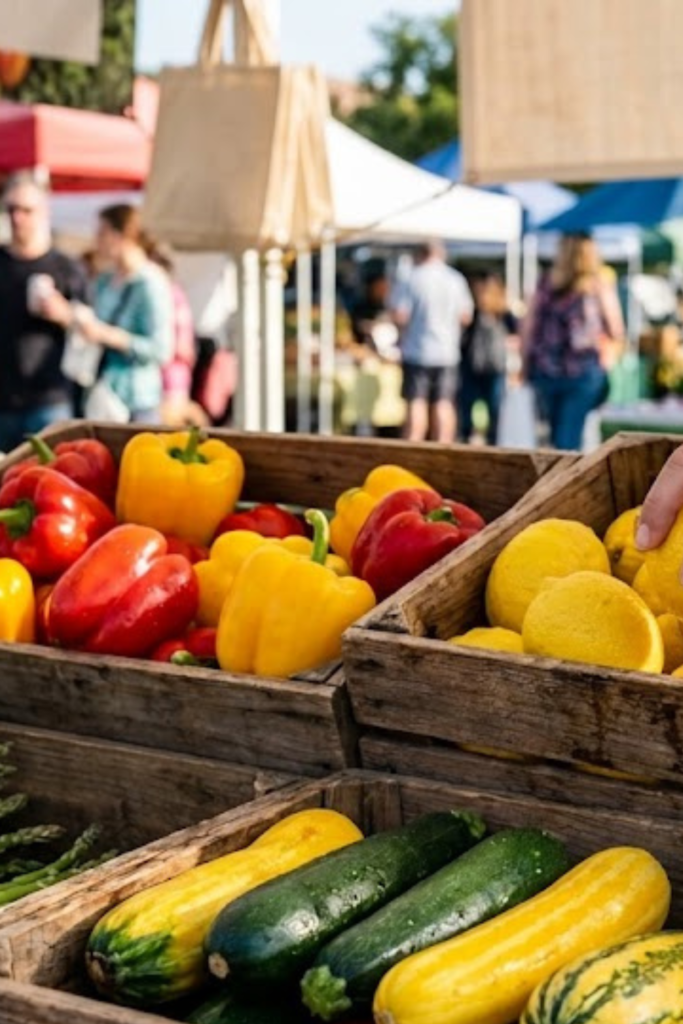
I’ve spent a lot of years trial-and-erroring my way through the produce aisle, and I finally figured out that the secret to great lemon herb veggies starts way before you turn on the stove. You really want to look for what’s in season right now because that’s when the natural sugars are highest. In 2026, we are seeing some amazing heirloom varieties of zucchini and snap peas that just soak up citrus beautifully.
When I’m at the market, I look for asparagus that’s firm enough to snap—if it bends like a noodle, put it back! I also like to mix textures. I usually grab something crunchy like bell peppers and pair them with something that gets soft and buttery when cooked, like summer squash. It makes every bite a little different so you don’t get bored. One thing I learned the hard way: cut everything to about the same size. If your carrots are huge and your onions are tiny, one’s gonna be raw while the other is burnt. Take the extra two minutes to chop them evenly; your taste buds will thank you later.
I also like to keep an eye out for those vibrant purple carrots or the striped Chioggia beets if they are sitting there looking fresh. They add such a fun pop of color to the plate, and my kids actually eat them because they look “cool.” If you see those tiny baby potatoes, grab a handful of those too. I find that when I pick things that are grown locally, they don’t have that woody, tough texture that old grocery store veggies sometimes get.
Don’t be afraid to smell your produce either! If a bell pepper doesn’t have that sweet, peppery scent, it probably won’t have much flavor once it’s cooked. I always try to shop with my senses rather than just a list. If the green beans look a bit sad and limp, I’ll swap them out for some fresh broccoli florets instead. Being flexible at the market is how you end up with the best tasting meal. It’s all about finding what’s at its peak so the lemon and herbs have a great base to work with.
The Ultimate Herb & Citrus Marinade
When I first started cooking, I used to just pour some bottled dressing over my veggies and call it a day. Honestly, it was pretty boring. Everything changed when I started making my own herb and citrus blends. There is just something about that fresh hit of lemon that makes the vegetables taste like they were just picked from a garden.
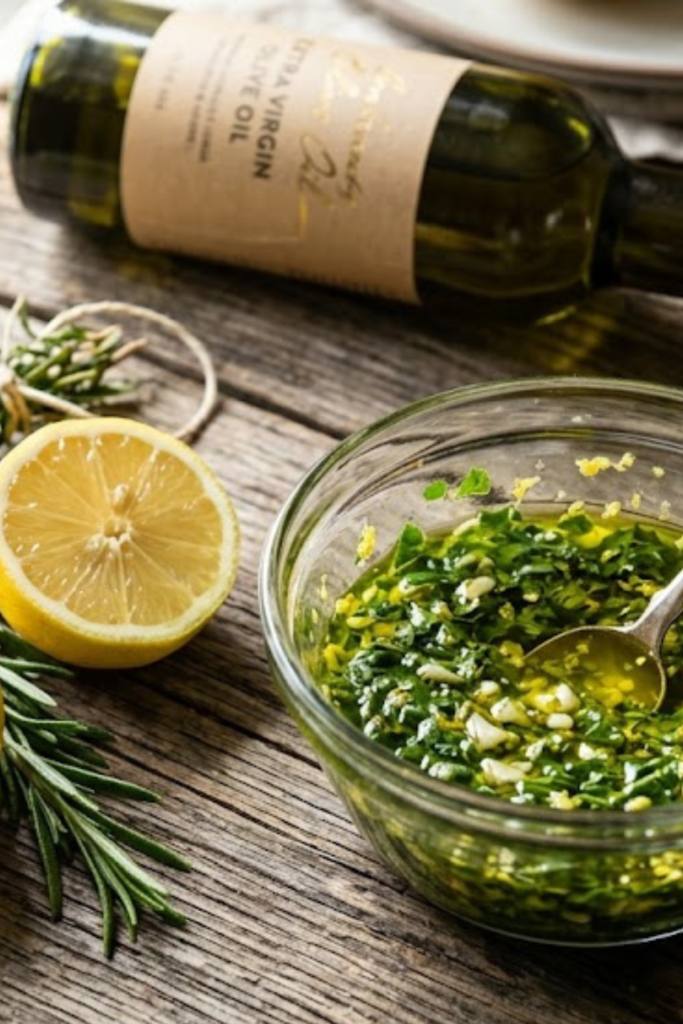
For the best results, you really want to use fresh herbs. I know the dried ones in the cabinet are easy, but fresh parsley, dill, and rosemary have these bright oils that dried herbs just lose over time. I usually go for a 2-to-1 ratio—two parts olive oil to one part lemon juice. And don’t forget the zest! The yellow skin of the lemon has way more flavor than the juice itself. I use a little grater to get that zest in there before I squeeze the lemon. It adds this amazing aroma that fills the whole kitchen. Just whisk it all together with some good olive oil and you’ve got a marinade that’s better than anything you can buy at the store.
I also like to throw in a smashed clove of garlic or two if I’m feeling fancy. It doesn’t need to be chopped super fine; just crushing it lets those juices mix in with the lemon. If you have some local honey sitting in the pantry, a tiny drizzle can really take the edge off the lemon’s sourness without making it taste like dessert. I’ve found that letting the veggies sit in this mix for about ten minutes before they hit the heat makes a huge difference.
The oil helps the heat get into the vegetables evenly, while the lemon juice helps break down the tough fibers just enough. Sometimes I even save a little bit of the clean marinade on the side to drizzle over the top right before I serve the meal. It gives it that “shiny” look you see in fancy restaurant photos. Plus, if you have any leftovers, the flavors actually get better the next day as the herbs soak in even deeper. It’s such a simple trick, but it really makes people think you spent way more time in the kitchen than you actually did.
Roasting vs. Sautéing: Which Method Wins?
Honestly, I used to be a total disaster when it came to timing my side dishes. I remember one specific Thanksgiving where I tried to sauté a massive pile of green beans and carrots in a tiny pan because I didn’t want to turn the oven on. It was a nightmare. Half the veggies were mushy and brown, while the thicker carrot slices were basically still raw and crunchy. I felt so embarrassed serving that mess to my family!
The Magic of the Sheet Pan
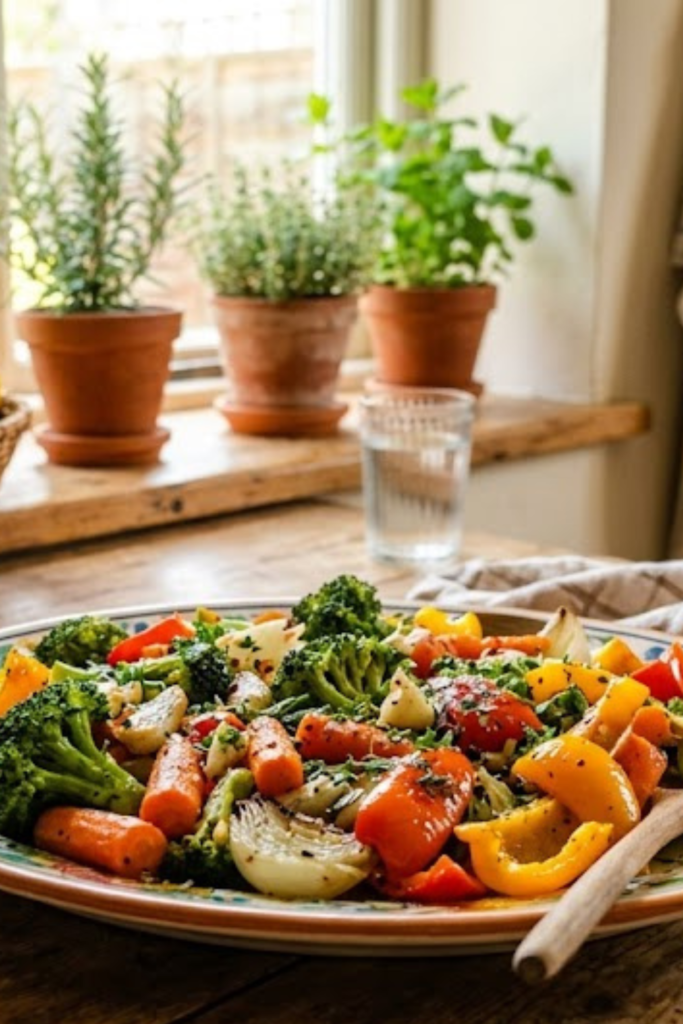
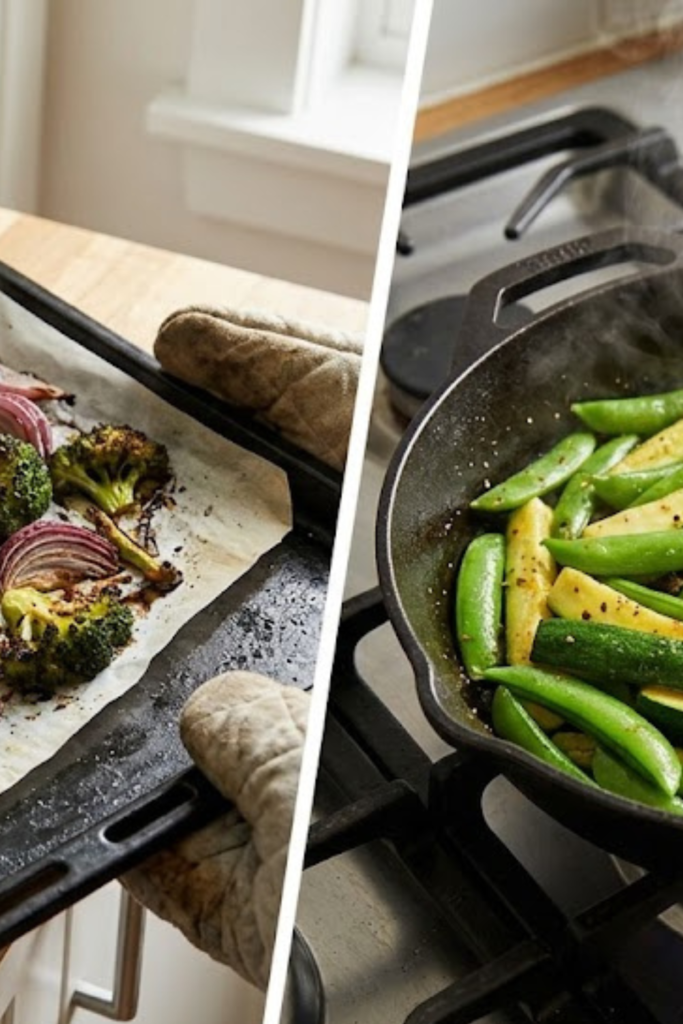
Since that kitchen fail, I’ve become a huge fan of high-heat roasting for my lemon herb vegetables. There is something about a 425°F oven that creates these incredible caramelized “char” marks you just can’t get on a stovetop easily. I usually toss my broccoli and red onion wedges with a bit of extra virgin olive oil and some dried oregano before sliding them in. My big tip? Don’t overcrowd the pan. If the veggies are touching too much, they’ll just steam and get soggy instead of getting that perfect “al dente” bite.
When to Stick to the Skillet
Now, don’t get me wrong, the quick sauté has its place too, especially for “softer” items. If I’m making thin zucchini spears or snap peas, I grab my non-stick skillet or a heavy cast iron pan. I’ll heat up some infused oils over medium-high heat and toss them for just about 5 or 6 minutes. It keeps the colors so bright and vibrant! Sometimes I’ll throw in a splash of balsamic glaze at the very end for a little extra zing.
My Foolproof Method
If you’re unsure which to choose, think about how much time you have. Roasting takes about 20 minutes but is mostly “set it and forget it.” Sautéing is fast—like, 10 minutes tops—but you have to stand there and move the pan so nothing burns. I usually go with roasting if I’m busy with a main course and sautéing if I’m in a huge rush. Just make sure you use a microplane zester for that fresh lemon finish right before serving!
Making Lemon Herb Vegetables is honestly the easiest way to level up your dinner game without spending hours over a stove. I’ve found that it really comes down to those simple finishing touches. Just remember: use fresh herbs whenever you can, don’t skimp on the zest, and keep your heat high so you get that nice color! You’ll be amazed at how quickly these disappear from the table, even if you have picky eaters at home.
I really hope these tips help you feel more confident next time you’re standing in the produce aisle. It took me a few burnt pans to get it right, but once you find that balance of citrus and herbs, you’ll never want to go back to plain steamed veggies again. I usually keep a few extra lemons on the counter just in case I need a last-minute side dish for a busy weeknight. It’s funny how such a basic change in how you cook can make you actually look forward to eating your greens.
If you have some leftovers, try tossing them into a cold pasta salad the next day; the lemon flavor stays really bright even when it’s chilled. My family always asks for seconds now, which is a huge win in my book since we used to struggle with getting enough vegetables on the plate. Don’t be afraid to experiment with different herb combos like cilantro and lime if you want to change things up. If you loved this fresh look at veggies, please share this recipe on Pinterest so others can find their new favorite side dish!