“The Mediterranean diet is more than just food; it’s a way of life that can reduce heart disease risk by over 30%,” says many health experts. I remember the first time I tried a real Mediterranean Fish Olive Plate while sitting on a rickety wooden chair in Greece; the salt air was thick, and the fish was so fresh it practically melted. Honestly, you haven’t lived until you’ve paired a flaky white fish with the briny punch of a kalamata olive! It’s simple. It’s vibrant. It’s exactly what your Tuesday night dinner is missing.
Selecting the Best Catch for Your Plate
Hey everyone. So, let’s talk about the fish first. I’ve been teaching for a long time, and if there’s one thing I tell my students about cooking, it’s that you can’t make a silk purse out of a sow’s ear. Basically, if your fish is bad, the whole plate is gonna be bad. I remember this one time I tried to be cheap and bought some fish that was on “super clearance” at the back of the store. Big mistake. My kitchen smelled like a wet pier for three days. My husband had to open all the windows, and it was the middle of February!
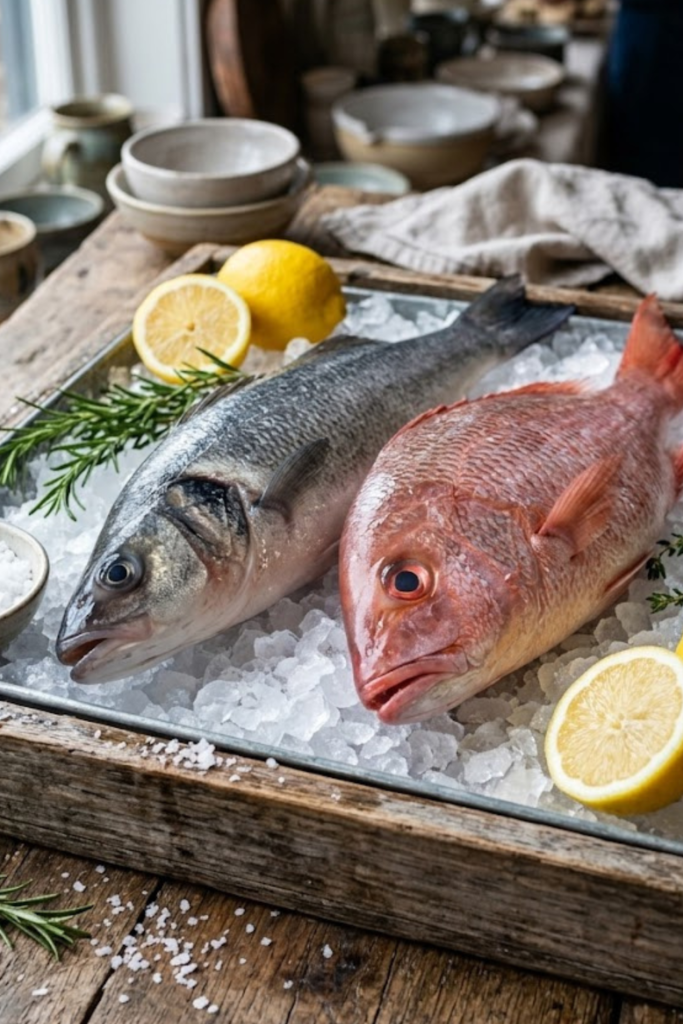
When you’re looking for the right fish for this Mediterranean Fish Olive Plate, you want something white and flaky. I usually go for Sea Bass or Red Snapper. Cod is okay too, but it can get a bit watery if you aren’t careful. If you’re at the store, you gotta look at the eyes. They should be clear, not cloudy. And give it a quick sniff! It shouldn’t smell like anything other than the ocean. If it smells “fishy,” just put it back and walk away.
I like to use Sea Bass because it holds up well when you toss it in the pan with all those heavy olives. It doesn’t just fall apart like some of the thinner fish. Also, don’t be shy—ask the guy at the counter when the fish came in. They usually tell the truth if you ask directly. I always try to get the stuff that arrived this morning. It makes a big difference in how the meal tastes. Trust me, spending an extra couple of bucks on the fresh stuff is worth it so you don’t end up eating something that tastes like a sponge.
The Anatomy of a Perfect Olive Garnish
Alright, so let’s talk about the olives. Honestly, if you pick the wrong ones, you might as well just eat a plain piece of toast. I used to think all olives were basically the same—just salty little circles in a jar. Then I went to this little deli and tried a Castelvetrano olive for the first time. My mind was blown! It was buttery and mild, totally different from those canned black olives I used to eat as a kid.
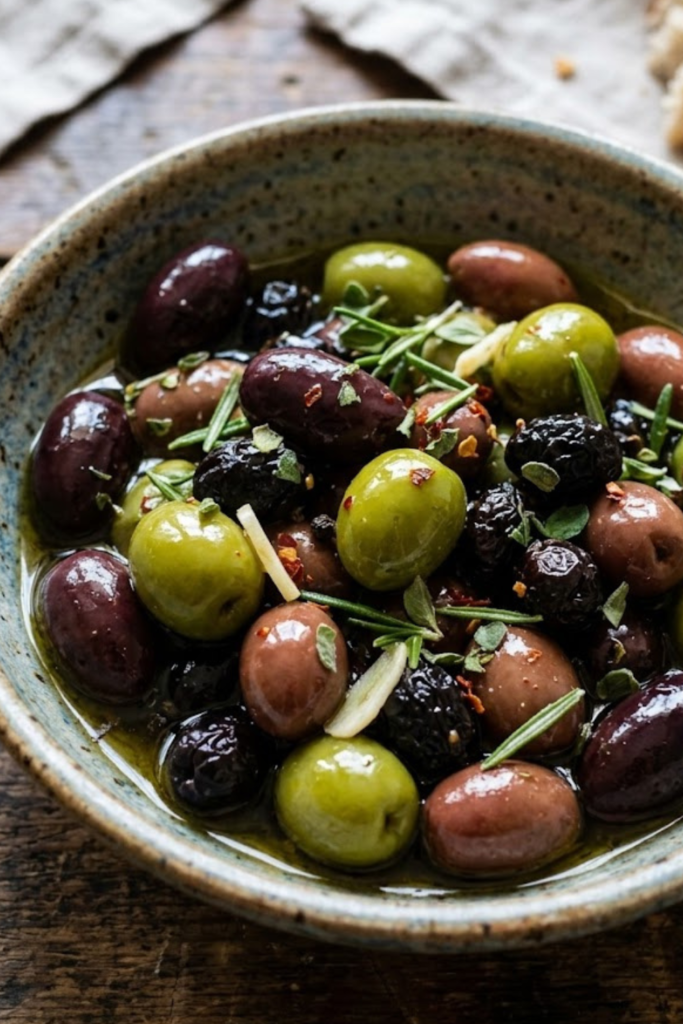
For a Mediterranean Fish Olive Plate, you really want a mix of flavors. It’s about getting that balance right so every bite is a little surprise. Here is what I look for when I’m at the grocery store:
- Kalamata Olives: These are the purple, almond-shaped ones everyone knows. They have a sharp, vinegary kick because they are usually soaked in red wine vinegar. They really wake up the fish.
- Castelvetrano Olives: These are bright green and very “meaty.” They aren’t as salty as the others, so they give your palate a little break.
- Niçoise Olives: These are tiny and dark. They have a bit of a nutty flavor that goes great if you’re using a lot of fresh herbs like oregano or thyme.
If you can find the ones with the pits still in them, they usually taste a bit better because they haven’t been sitting in a jar losing their shape. But man, they are a real pain to eat when you’re trying to have a nice, relaxing dinner. I usually just buy the pitted ones so I don’t accidentally break a tooth or something. I definitely don’t need a surprise dentist bill right now!
One thing I learned the hard way: don’t throw away all that juice in the jar! A little bit of that salty brine poured over the fish while it’s cooking makes a huge difference. It’s like a secret weapon for flavor. Just don’t go overboard or it’ll be way too salty to eat. I did that once and had to drink about a gallon of water before bed. My husband said it tasted like I’d cooked the fish in the actual ocean. Oops!
Try to mix at least two kinds of olives on your plate. The different colors make the dish look way more expensive than it actually is, and the mix of vinegar and salt makes the fish taste incredible. Just scatter them around the fish right before you serve it so they stay a little cool while the fish is hot.
Heat and Heart: Searing Techniques
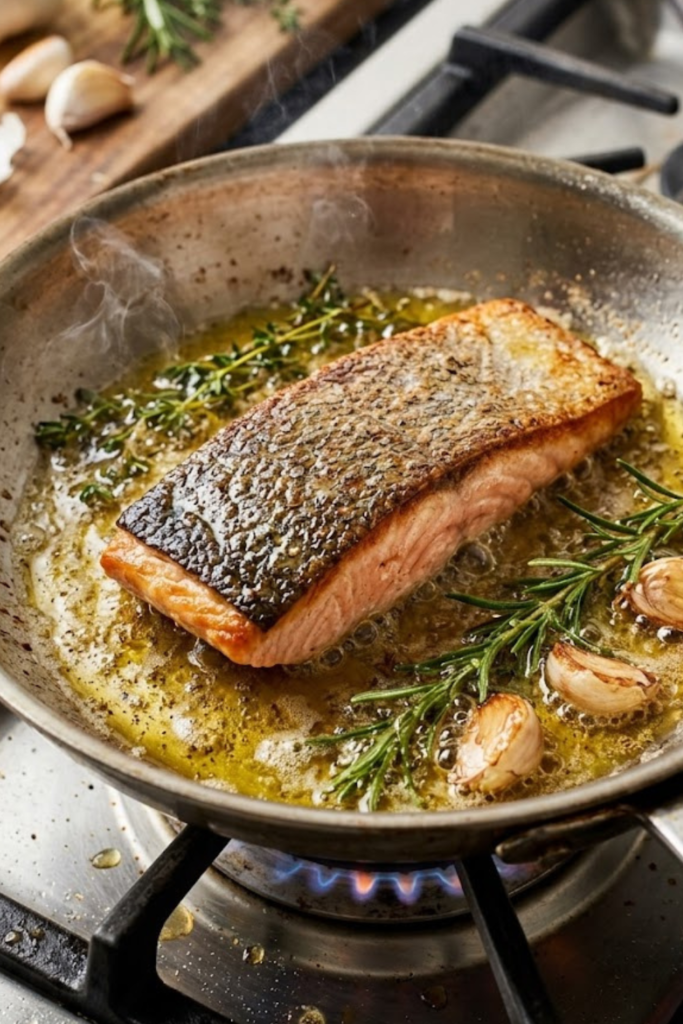
Let’s talk about the heat. Getting that crispy skin on a fish is probably the scariest part for most people. I remember the first time I tried it. I was so nervous about burning the fish that I didn’t let the pan get hot enough. I dropped the sea bass in, and instead of a nice “sizzle,” I just got a sad little “splat.” When I tried to flip it, the skin stayed stuck to the bottom of the pan like glue. I ended up with a plate of shredded fish that looked like it had been through a blender! My kids still call it “The Fish Disaster of 2019.”
The trick I learned is you have to be patient. You need a good pan—stainless steel or cast iron works best—and you need to let that extra virgin olive oil get hot. Not smoking hot, but hot enough that a drop of water would dance on it. Don’t crowd the pan either. If you put too many pieces in at once, the temperature drops and you’ll just steam the fish instead of searing it. And for heaven’s sake, don’t keep poking it! Put it in the pan, skin side down, and just leave it alone for a few minutes. If you try to move it too soon, that’s when it sticks.
One big thing I forgot to mention earlier—make sure your fish is bone-dry before it even touches the pan. I take a paper towel and literally pat the sea bass fillets down until there’s zero moisture left on the skin. If the fish is wet, it’ll just steam in the oil and you won’t get that golden crunch we’re looking for. Also, if the fillet starts to curl up like a piece of bacon when it hits the heat, just take your spatula and press it down flat for about ten seconds. It feels like you’re doing too much, but it makes sure the whole skin side gets that heat evenly so it crisps up perfectly. If you’re worried about oil jumping out and hitting your arms, grab one of those mesh splatter screens from the store. It saved my favorite teaching sweater from a giant oil stain last week! Just keep your cool, let the heat do its job, and you’ll have a dinner that looks like a pro made it.
About the oil: use the good stuff. Cheap oil can sometimes have a weird aftertaste when it gets hot. I always keep a bottle of cold-pressed olive oil just for my seafood. It really makes the flavors of the olives and the fish pop. Once you see the edges of the fish turning opaque, give it a gentle flip. It should come right off the pan if you waited long enough. If it’s still sticking, it’s usually telling you it’s not ready yet!
Assembling the Mediterranean Plate
Putting everything on the plate is the fun part, but it’s also where I usually get a bit messy. I remember hosting a dinner for some other teachers at my school once, and I just plopped the fish right in the middle of a plain white plate. It looked… well, it looked pretty boring. Kind of like hospital food! One of my friends told me that we eat with our eyes first, and that really stuck with me. You want it to look like something you’d get at a fancy place by the beach.
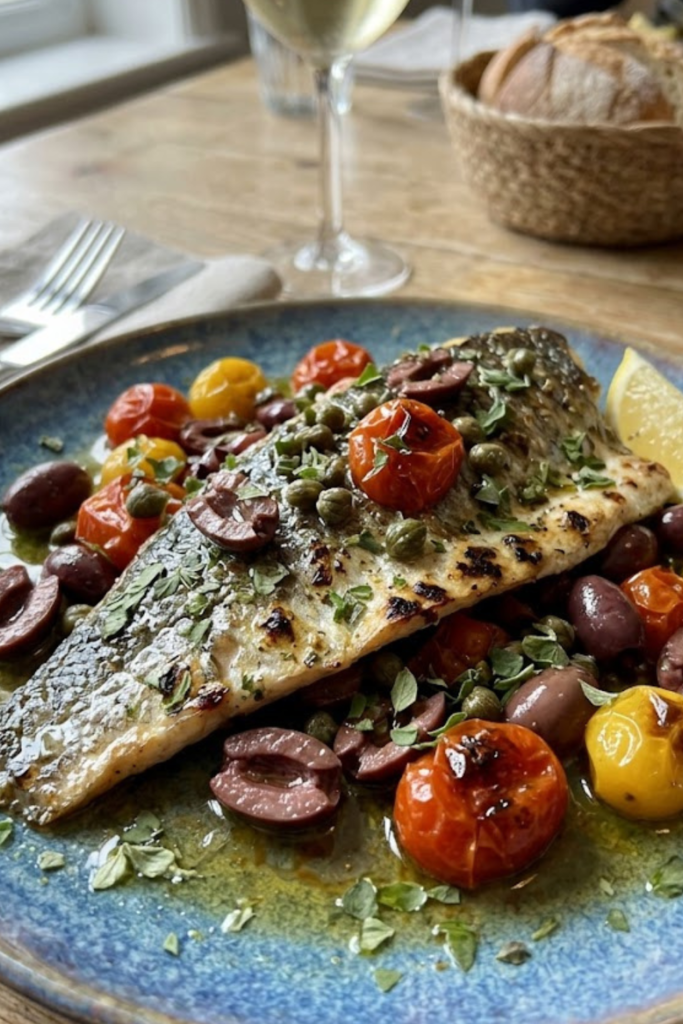
So, here is what I do now. I don’t just throw it on there. I start by putting a little bit of “the green stuff”—usually fresh parsley or maybe some dill—on the plate first. Then I set that crispy fish right on top. I spread the olives, some cherry tomatoes, and maybe a few capers around the edges so it looks colorful. It’s basically like an art project, but the best part is you get to eat it afterward!
Also, don’t forget the lemon. I like to cut a few thick slices and tuck them under the side of the fish. A big squeeze of fresh lemon juice right before you take your first bite makes everything taste ten times better. It cuts through the oil and makes the whole meal feel light. I also keep a paper towel handy to wipe off any oily fingerprints on the edge of the plate. It’s a small trick, but it makes the meal feel special, even if you’re just eating in your comfy clothes after a long day of grading papers.
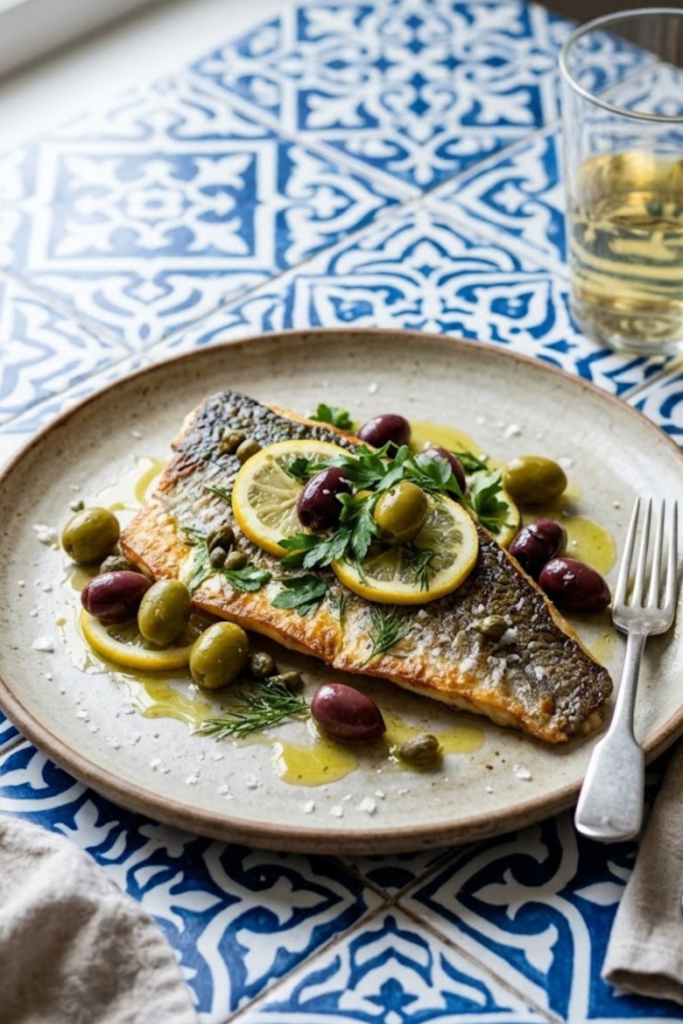
So, that’s about it! Honestly, making a Mediterranean Fish Olive Plate might seem a little scary at first—especially the part with the hot oil splashing around—but once you do it a couple of times, it becomes second nature. It’s really just about getting those fresh ingredients together and letting them do the work. You don’t need to be some professional chef or have a fancy degree to make a meal that tastes like you’re sitting on a beach in Greece. I’m just a teacher who likes to eat well, and if I can get this right, you definitely can too.
I really hope you give this a try for your next dinner. It’s way better than just ordering another greasy pizza, and your family will probably be pretty impressed that you made something so colorful and healthy. It also makes you feel good because you know exactly what is going into your body. Just remember the big points: get the fresh fish, don’t be afraid of that salty olive brine, and keep that pan hot!
I’ve had my share of kitchen flops—like the time I tried to bake a whole fish in a salt crust and it came out hard as a literal brick—but this dish is one that I go back to over and over. It’s just so hard to mess up once you know the basics. It’s the kind of meal that makes you feel fancy without all the stress.
If you found these tips helpful or if you’re planning to make this tonight, please share it on Pinterest! It really helps me out, and I’d love for more people to see how easy it is to cook great seafood at home. Plus, it’s nice to see some real, healthy recipes on people’s boards. Happy cooking, and I hope your kitchen smells a lot better than mine did during “The Fish Disaster of 2019!”
Don’t forget to grab those Kalamatas next time you’re at the store. Once you start eating like this, you won’t want to go back to those plain old frozen fish sticks. See you next time!