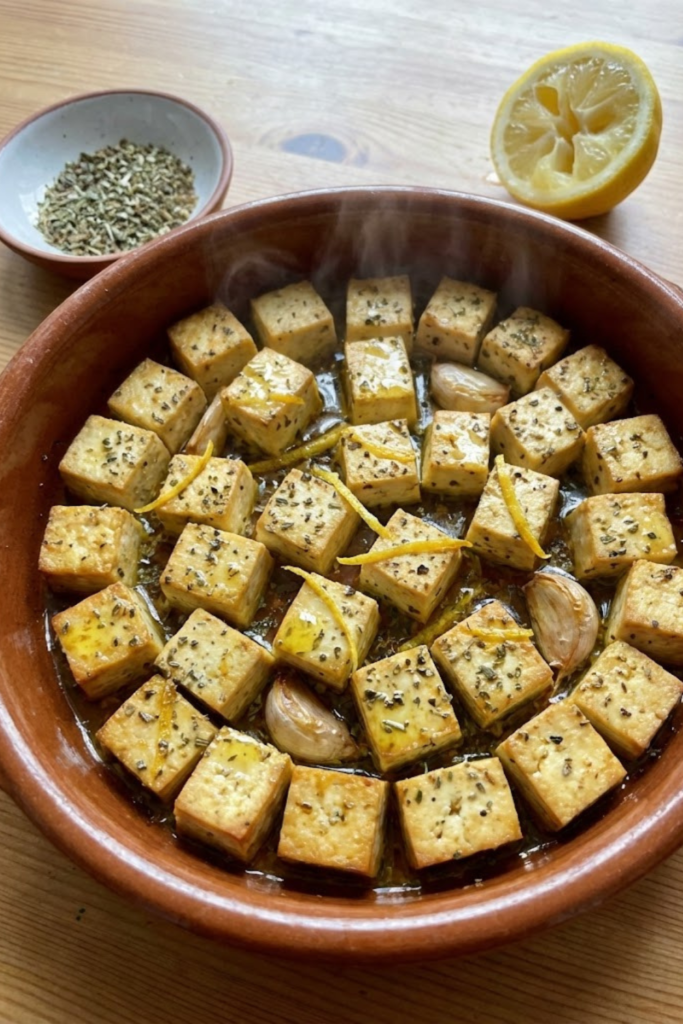
Let me tell you, I used to think tofu was just a sad, flavorless block of soy sponges until I discovered the magic of the Mediterranean! Did you know that over 40% of home cooks struggle to get tofu crispy without deep frying? It’s a total game-changer once you nail the technique. This Baked Mediterranean Tofu recipe is my absolute go-to because it packs a punch with zesty lemon, aromatic oregano, and that perfect golden crunch. We’re talking about a plant-based powerhouse that actually tastes like a vacation in Greece! Let’s dive into how to transform this humble ingredient into a gourmet masterpiece.
Choosing the Right Tofu for Maximum Crunch
I remember the first time I tried to make Baked Mediterranean Tofu. I was so excited to have a healthy meal, but I ended up with a soggy, bland mess that looked more like wet bread than actual food. My kids wouldn’t even touch it! It was pretty embarrassing, honestly. I realized later that I’d bought silken tofu instead of the firm kind. Silken tofu is great for smoothies, but for baking? It’s a total disaster. If you want that satisfying crunch that makes you forget you’re eating soy, you have to be picky at the grocery store.
The Firmness Scale Matters
When you’re looking at the shelf, you’ll see a lot of options. You want to reach for the package that says “Extra-Firm” or even “Super-Firm.” These blocks have way less water packed inside them. Since water is the enemy of “crunchy,” starting with a dense block is half the battle. I usually tell my students to give the package a little poke. If it feels like a soft pillow, put it back. You want it to feel solid, almost like a block of cheddar cheese. This density helps the tofu hold its shape when you’re tossing it with the Mediterranean spices and olive oil later on.
The Secret to Pressing
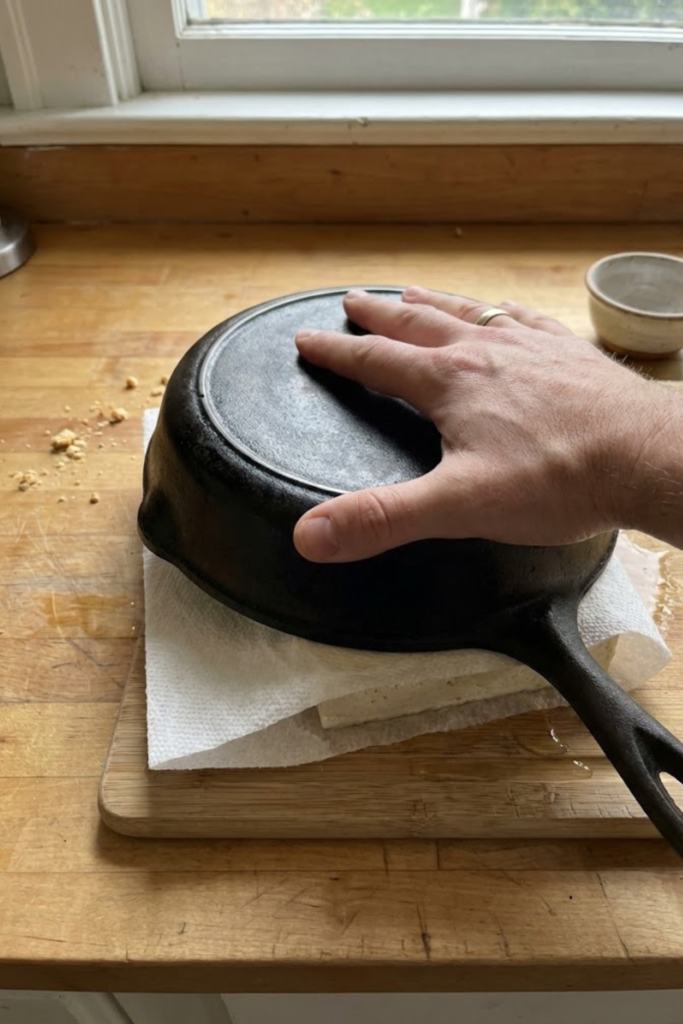
Even the firmest tofu has some water hiding inside it. If you don’t get that moisture out, the tofu will just steam in the oven instead of getting crispy. I don’t own one of those fancy tofu presses, and you don’t need one either. I just wrap my block in a clean kitchen towel or a bunch of paper towels and put a heavy cast-iron skillet on top of it. Sometimes I’ll even put a couple of big textbooks on the skillet to add more weight. Let it sit there for at least twenty minutes. You’ll be surprised at how much water comes out! It’s a bit of a mess, but it makes a huge difference in how the final dish turns out.
The Freeze and Thaw Method
If you really want to step up your game, try freezing your tofu first. I learned this trick from a fellow teacher years ago. You just stick the whole package in the freezer overnight, then let it thaw out the next day. When tofu freezes, the water inside turns into ice crystals that poke tiny holes in the block. Once it thaws and you press it, the texture becomes much more porous—kinda like a sponge. This is great because those little holes soak up the lemon and oregano marinade way better, and the texture gets a lot “meatier” and chewier after it’s baked. It takes a little extra planning, but the results are totally worth it!
The Mediterranean Marinade: Herbs and Aromatics
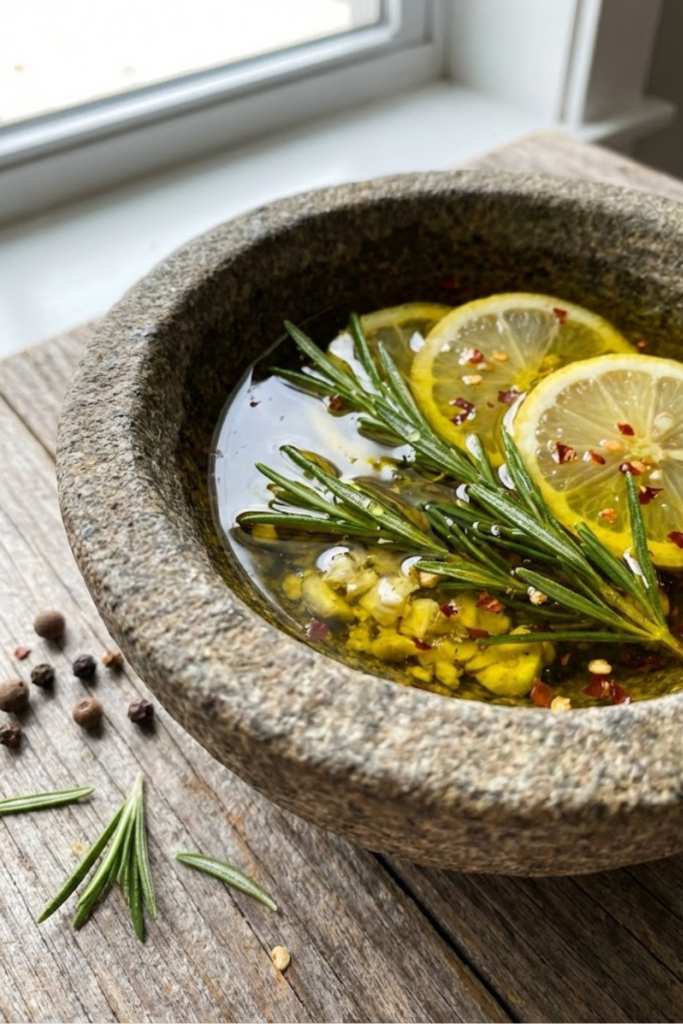
I used to think that just sprinkling some salt on tofu was enough to make it taste good. Boy, was I wrong! My first attempt was so bland my husband called it “edible air.” It was pretty disappointing after spending all that time in the kitchen. After trying a bunch of different things, I finally figured out that the secret to Baked Mediterranean Tofu is all in the liquid you soak it in. You want something that really wakes up your mouth and gives the soy some personality. If you get the marinade right, the tofu drinks it all up like a sponge, and every bite tastes like a fresh summer garden.
The Power of Acid and Oil
Most people forget that tofu needs fat to really carry flavor. I always use extra virgin olive oil because it has that nice peppery taste that fits the vibe. But the real star of the show is the lemon juice. You need that sharp zing to cut through the heavy soy flavor. I remember one time I ran out of lemons and tried to use white vinegar instead. Let’s just say it was a big mistake—it tasted way too harsh and didn’t have that sunshine flavor. Stick with fresh lemons if you can. It makes a big difference. Also, I like to add a little bit of tamari. It might sound weird for a Greek-style dish, but it adds a deep saltiness that regular table salt just can’t do.
Herbs: Dry vs. Fresh
I get asked a lot if fresh herbs are better than the stuff in the jar. Honestly? For the actual baking part, I actually like dried oregano better. It doesn’t burn as easily in the hot oven. If you use fresh parsley or basil during the baking, they usually just turn black and crunchy in a bad way. I save the fresh green stuff for a garnish after the tofu comes out of the oven. One little trick I use is to rub the dried herbs between my palms before dropping them in the bowl. It helps release the oils so they smell amazing and flavor the oil better.
The Garlic Mistake
One thing I learned the hard way is about garlic. I love garlic, so I used to put tons of minced fresh garlic in the marinade. But in a 400-degree oven, those tiny bits of garlic burn fast. They get bitter and ruin the whole meal. Now, I use garlic powder in the marinade for the bake. It coats every piece evenly and won’t burn. Then, if I’m feeling fancy, I’ll mix some fresh crushed garlic into a side sauce or some hummus. It’s way better that way and keeps the kitchen from smelling like burnt toast! Just toss everything in a big bowl and let it sit. Even fifteen minutes helps a lot.
Baking Techniques for Gold-Standard Texture
Getting that perfect, golden-brown crust on your Baked Mediterranean Tofu can feel like a bit of a mystery at first. I remember one Tuesday night—it was just a few months back—where I thought I had everything perfect. I’d pressed the tofu, the marinade smelled great, but I pulled the tray out of the oven and every single piece was stuck to the metal. I had to scrape it off with a spatula, and it just looked like scrambled eggs by the time I served it. It was such a bummer! Since then, I’ve figured out a few tricks that make sure the tofu gets that “gold-standard” crunch every single time without the mess.
The High Heat Rule
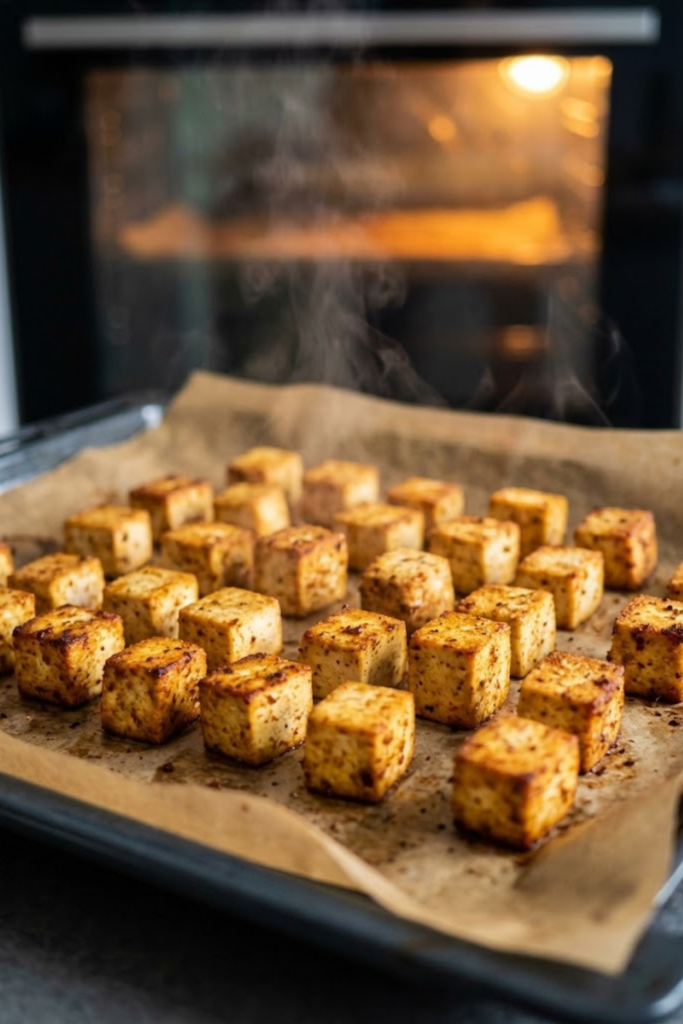
The biggest mistake I used to make was being too “gentle” with the heat. You really need a hot oven to get that crisp exterior. I set my oven to 400°F (about 200°C) and I let it get fully hot before the tray even goes in. Some of the newer 2026 smart ovens heat up really fast, but you still want to give it that extra five minutes. If the oven isn’t hot enough, the tofu just sits there and leaks its juices, which makes it soggy. You want that heat to hit the tofu hard so the outside seals up right away. You should try putting the baking sheet in the oven while it’s preheating. When you drop the tofu onto a hot pan, you’ll hear a little sizzle, and that’s how you know you’re on the right track.
The Cornstarch Trick
This is my absolute favorite secret. After you’ve marinated your tofu, but right before you put it on the pan, you want to toss it with a tablespoon or two of cornstarch. If you don’t have cornstarch, arrowroot powder works too. This creates a tiny, thin layer that turns into a crispy shell in the oven. I used to skip this because I thought it would make the tofu taste like flour, but you can’t taste it at all! It just gives it that “fried” feeling without all the heavy oil. Make sure every cube is lightly coated. If there are big white clumps, just shake the tray a little to spread it out.
Don’t Crowd the Tray
I know it’s tempting to shove two blocks of tofu onto one small baking sheet to save time, but please don’t do it! If the tofu pieces are touching, they will steam each other. You want at least a half-inch of space between each cube. This lets the hot air move all the way around the tofu. I also make sure to use parchment paper. It’s way better than foil because the tofu never sticks to it, and it makes cleanup so much easier. About halfway through the baking—usually around the 15-minute mark—I give the pan a good shake or flip the pieces with a fork. This makes sure all the sides get that beautiful golden color. It takes about 25 to 30 minutes total, and the result is just perfect.
Serving Suggestions and Pairings
I’ll be the first to admit it—I’ve totally stood over the kitchen counter and eaten half a pan of this Baked Mediterranean Tofu before it even hit the dinner table. It’s just that good! But if you want to make it feel like a real dinner and not just a snack, you’ve gotta pair it with the right things. I remember one time I tried to serve it with just plain white rice and it felt so… boring. It was like I was eating two different meals that didn’t like each other. That’s when I started experimenting with building bowls that actually make sense for a hungry family.
Building the Perfect Bowl
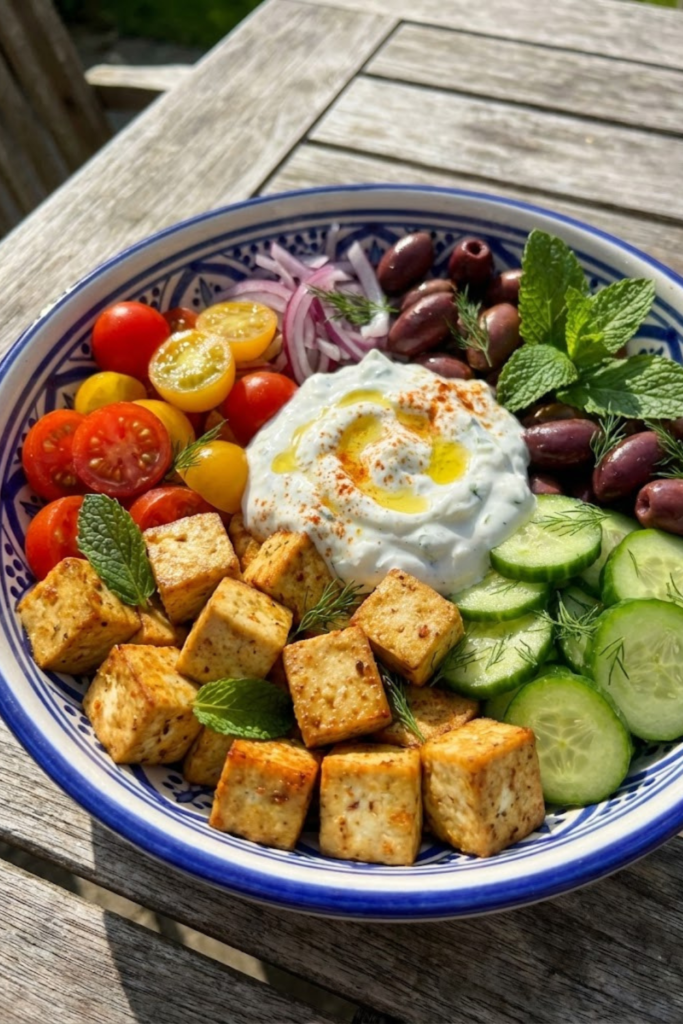
Now, my favorite way to serve this is over a big bed of fluffy quinoa. I like quinoa because it’s got that nutty taste that really goes well with the oregano in the tofu. I always throw in some chopped cucumbers, juicy cherry tomatoes, and a big handful of those salty kalamata olives. The saltiness from the olives is like a little flavor explosion that works so well with the lemon in the tofu. Sometimes, if I’m feeling like I need more crunch, I’ll toss in some toasted pine nuts too. It’s like a party in a bowl, and it keeps me full for hours without feeling like I need a nap right after.
The Creamy Sauce Secret
You can’t have a Mediterranean meal without a good drizzle. I used to just pour some bottled dressing over it, but that usually hides the flavor of the Baked Mediterranean Tofu instead of making it better. Now, I make a quick vegan tzatziki. I just mix some plain soy yogurt with grated cucumber, a bit of lemon, and some fresh dill. If you don’t like yogurt, a simple tahini drizzle with a little water and lemon works great too. That creamy texture against the crispy tofu is just amazing. My kids actually call it the “magic sauce” because they’ll eat almost any veggie if it’s covered in that stuff.
Meal Prep for Busy Teachers
Since I’m usually rushing around during the week, I love that this tofu holds up pretty well. I usually make a double batch on Sundays. The trick is to store it in a container that isn’t totally airtight if you want it to stay a little firm, though it will naturally soften a bit in the fridge. To get the crunch back, don’t use the microwave! That makes it gummy and weird. I just pop a few pieces in the air fryer or back in the oven for five minutes while I’m chopping my salad. It’s a total lifesaver for those days when I get home late and just can’t deal with cooking a whole meal from scratch. It makes my Mondays a lot less stressful knowing I have a healthy lunch ready to go.
Bringing the Mediterranean Home
Wrapping things up, I really hope you feel ready to tackle your own batch of Baked Mediterranean Tofu. Looking back at how much I used to struggle with cooking plant-based meals, it’s honestly funny to see how far I’ve come. I remember standing in the kitchen years ago, staring at a block of tofu like it was some kind of math problem I couldn’t solve. I was so frustrated! But after a lot of burnt edges and soggy middles, I found that the best recipes aren’t the ones that are perfect or fancy, but the ones that you actually enjoy making and eating with your friends. This recipe is exactly that for me. It’s simple, it’s loud with flavor, and it actually makes you feel good after you eat it.
It’s pretty amazing how just a few simple things like lemon juice, some dried herbs, and a bit of heat can change something so basic into a meal that people actually ask for. I’ve served this at school potlucks and even to my pickiest relatives who swear they “don’t like health food,” and they always end up asking for the recipe. That’s the best feeling in the world for a home cook, right? Knowing that you made something that brought people together and tasted great too. Plus, it’s nice knowing that you’re getting a good amount of protein without spending a fortune on expensive meats or complicated ingredients.
If you’re just starting your cooking journey or if you’ve been at it for decades like I have, just remember that it’s okay if things don’t go perfect the first time. Maybe your tofu gets a little too dark or you forget to press it long enough—that’s just part of the process. Every time I make a mistake in the kitchen, I just tell myself it’s a “learning snack.” Eventually, you’ll get the hang of the cornstarch coating and the lemon-to-oil balance, and you’ll be making this like a pro without even looking at the instructions.
I really hope you give this a try this week! If you found these tips helpful and you think your friends might like a healthy new dinner idea, please take a second to pin this to your favorite Pinterest board. It really helps me out and it lets other people find these simple, tasty ideas too. I’d love to hear how your tofu turned out, so feel free to share your own kitchen stories with me. Now, go grab that tofu from the fridge and get started—you’ve got this!