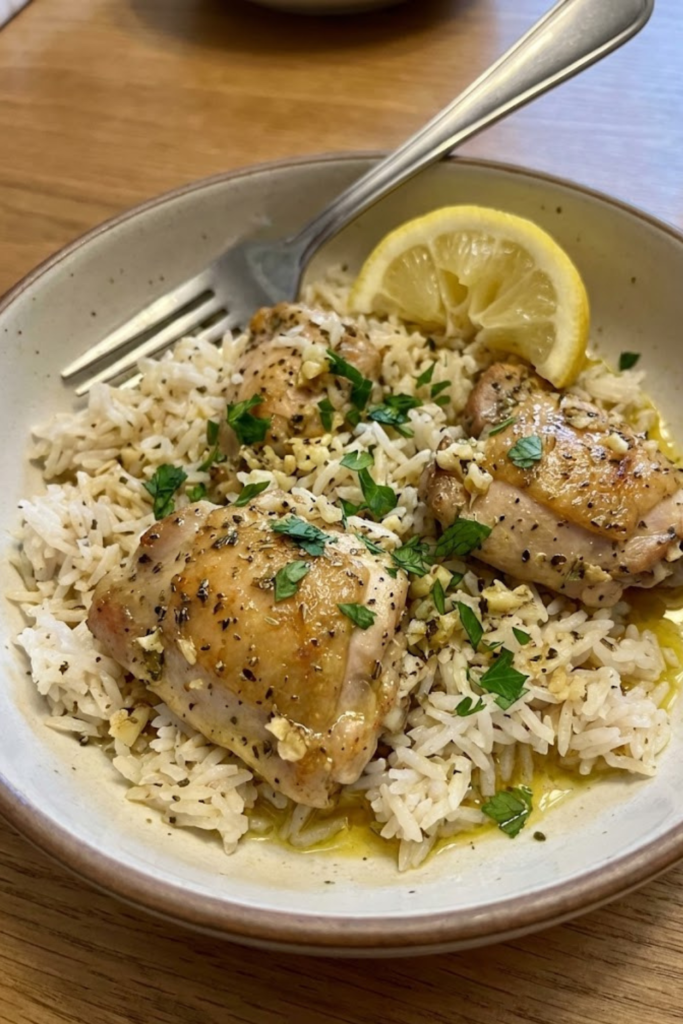
Have you ever stared into your pantry at 5 PM, desperate for something healthy but dreading the cleanup? I have definitely been there! That is exactly why this Beginner Mediterranean Chicken Rice became my absolute go-to. It is not just food; it’s a ticket to the Greek isles without leaving your kitchen. By combining zesty lemon, aromatic oregano, and fluffy basmati rice, you get a meal that tastes complex but is actually incredibly simple to pull off.
Did you know that the Mediterranean diet was ranked the #1 best diet overall for the sixth year in a row? It’s true! So, let’s ditch the takeout menus tonight. I’m going to walk you through this easy, one-pot masterpiece that will leave your family asking for seconds!
Why This One-Pot Mediterranean Meal Works
I honestly used to be terrified of cooking rice dishes on the stove. There was a time, probably five years ago, when I tried to make a similar Greek dish and completely scorched the bottom of my favorite pot. I spent three days scrubbing it. But after a lot of trial and error, I realized that this Beginner Mediterranean Chicken Rice isn’t just easy; it is actually scientifically set up to succeed where other recipes fail.
The genius here is that you are building layers of flavor in a single vessel. You don’t lose any of the tasty brown bits—fancy chefs call this “fond”—because you deglaze the pan right when you add the stock. It’s a game-changer for weeknight dinners.
The Magic of Chicken Fat
Here is a mistake I made for years: I used to cook my chicken in one pan and my rice in another. I thought I was being “healthier” or something. I was wrong.
When you sear the skin-on chicken thighs first in this recipe, a beautiful thing happens. The fat renders out (melts) into the pot. instead of pouring that liquid gold away, we use it to toast the dry rice grains. This coats every single grain of rice in savory chicken flavor before you even add water. The result? Your one-pot chicken and rice tastes like it simmered for hours, even though it only took 30 minutes.
The “Steam Trap” Technique
Another reason this meal works so well is the humidity balance. I have served crunchy rice more times than I care to admit. It’s embarrassing.
The trick I learned is that the chicken thighs act as a second lid. By placing the seared chicken back on top of the rice and liquid, you create a heavy, humid environment. The juices from the chicken drip down into the rice as it cooks, keeping it moist. Meanwhile, the steam from the rice rises up to finish cooking the chicken. It is a perfect cycle. Just don’t peek at it! lifting the lid ruins the steam trap.
Acid Cuts the Richness
Finally, we have to talk about the lemon. Greek food relies heavily on lemon, and it’s not just for garnish.
Since we are using chicken thighs and olive oil, the dish can get pretty heavy. I remember making this once without the lemon juice, and it just tasted… flat. It felt greasy.
Adding the fresh lemon juice and zest at the end cuts right through that richness. It brightens the whole pot up. It turns a heavy winter meal into something that tastes fresh and vibrant. Trust me, do not skip the lemon; it is the secret weapon that makes this Beginner Mediterranean Chicken Rice taste like restaurant quality food.
Essential Ingredients for Authentic Greek Flavors
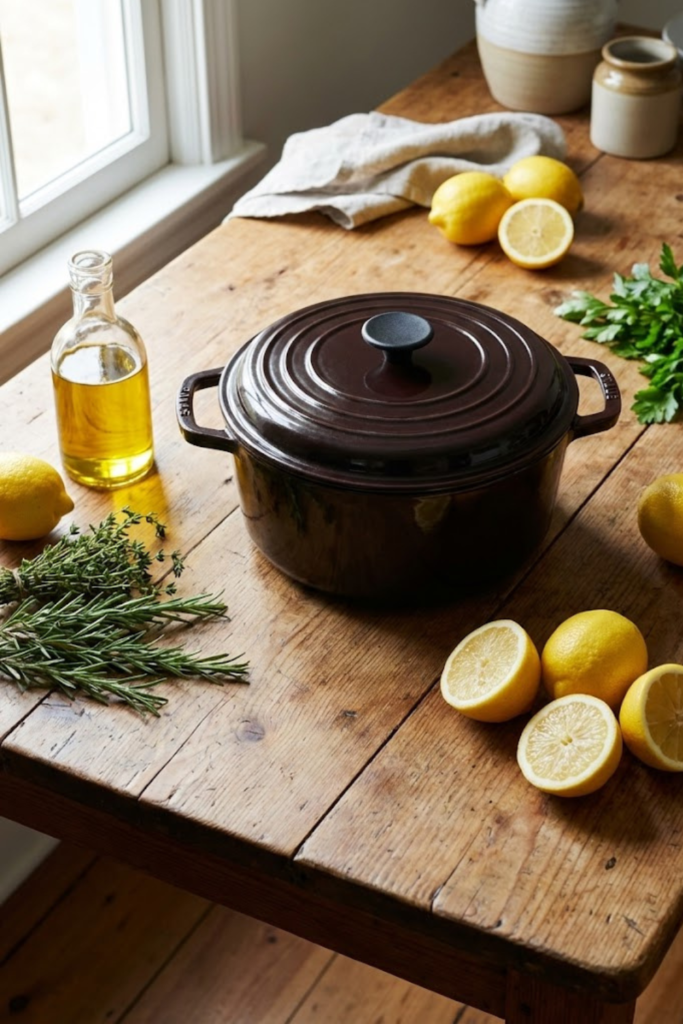
When I first started trying to cook Mediterranean food, I made it way too complicated. I thought I needed to go to a specialty store and buy things I couldn’t even pronounce. I was wrong. The best part about this Beginner Mediterranean Chicken Rice is that you can find everything at your local grocery store. You probably have half of it in your pantry right now.
However, picking the right version of these basic ingredients makes a huge difference. I learned this the hard way after serving a bland, mushy mess to my in-laws a few years ago. Let’s look at what you actually need to make this taste like the real deal.
Why Thighs Beat Breasts Every Time
I know, I know. We all grew up thinking boneless, skinless chicken breast was the only healthy option. But for a one-pot meal like this, chicken breast is actually a bad idea.
I tried making this with chicken breasts once because they were on sale. It was a disaster. By the time the rice was tender, the meat was dry and stringy. It was like chewing on a shoe. You need bone-in, skin-on chicken thighs. The bone keeps the meat juicy while it cooks for 20-30 minutes, and the skin releases that flavorful fat we talked about earlier. Plus, thighs are usually cheaper, which helps the grocery budget!
Choosing the Right Rice (Please Don’t Use Instant)
This is the hill I will die on: Do not use instant rice for this recipe. If you use the “5-minute” stuff, it will turn into a paste before the chicken is cooked.
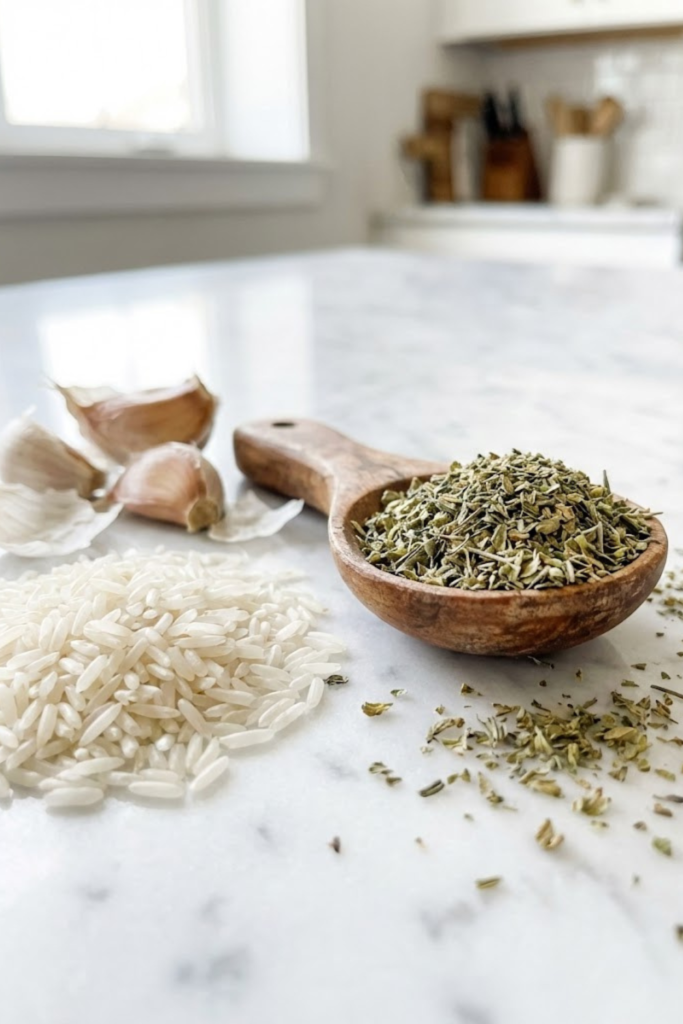
For authentic texture, you want a long-grain rice. Basmati rice is my absolute favorite here. It smells like popcorn when it cooks and stays fluffy. Jasmine rice works too, but it’s a little stickier. Just make sure you rinse your rice in a mesh strainer before cooking. I used to skip this step because I was lazy, but rinsing off that extra starch prevents the grains from clumping together into a giant block.
The Herb Debate: Fresh vs. Dried
You might think fresh is always better, but for the main cooking process, dried herbs win. I use a lot of dried oregano in this dish. It stands up to the heat better than fresh herbs, which can turn brown and bitter if you cook them too long.
I look for “Greek Oregano” if the store has it, but regular works fine. The trick is to rub the dried herbs between your palms before dropping them in the pot. It warms up the oils and makes them smell stronger. Save the fresh parsley for the very end as a garnish—that’s where you get that pop of green color and fresh taste.
Liquid Gold: Stock Matters
Since the rice soaks up all the liquid, the liquid needs to taste good. Water is fine if you are in a pinch, but using chicken broth or stock adds a deep savory flavor that water just can’t give you. I usually buy the low-sodium boxes so I can control how salty the final dish is. If you use full-sodium broth, just be careful not to add too much extra salt, or you’ll be drinking water all night!
Step-by-Step: Searing, Simmering, and Serving
Now we get to the actual cooking part. If you have ever felt nervous about cooking rice and meat in the same pot, don’t worry. I used to stare at the pot praying it wouldn’t burn, but once I figured out this order of operations, it became second nature. It really is just a simple routine.
Getting the Golden Skin
The first step is arguably the most important for flavor. You have to sear the chicken. I used to rush this because I was hungry and just wanted to get dinner on the table. Big mistake. If you rush, you end up with pale, flabby chicken skin that nobody wants to eat.
Heat your oil in the pot until it shimmers. Season your chicken thighs with salt and pepper, then place them skin-side down. Here is the hard part: do not touch them. Let them sizzle undisturbed for about 5 to 7 minutes. You want them to release naturally from the pan. If you try to lift a piece and it sticks, it’s not ready. You are looking for a deep, golden-brown color. Once flipped, cook the other side for just a couple of minutes, then remove them to a plate. They won’t be cooked through yet, and that is fine.
The “Chef’s Secret” Step
With the chicken out, you will see some brown bits stuck to the bottom of the pot. Do not wash that out! That is pure flavor. Toss your chopped onions into that same pot.
After the onions soften, add your dry, uncooked rice and the garlic. Stir it around constantly for about two minutes. This is called “toasting the rice.” I learned this from a cooking show years ago, and it changed everything. You want the rice grains to turn slightly opaque and smell a little nutty. This step helps the grains keep their shape so they don’t turn into mush later.
The Ratio and The Simmer
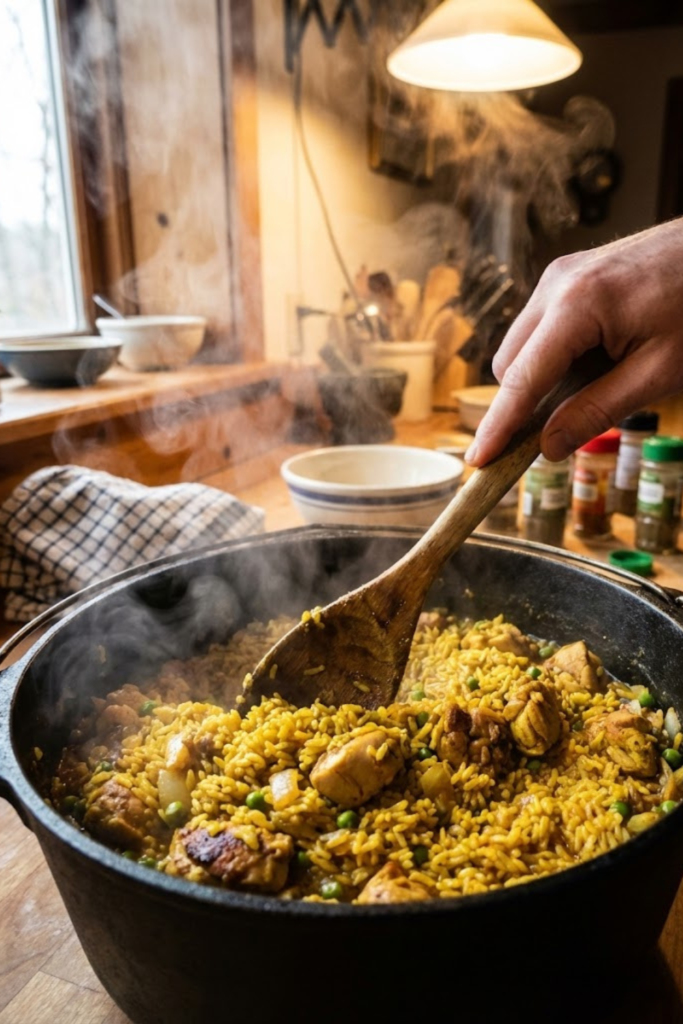
Now, pour in your broth. You should hear a loud hiss—that is the sound of flavor releasing from the pan. Scrape the bottom with a wooden spoon to mix it all up.
For this Beginner Mediterranean Chicken Rice, I usually stick to a 2:1 ratio (two cups of liquid for one cup of rice), but since the chicken releases juices too, I hold back slightly on the broth. Nestle the chicken thighs back on top of the rice, skin-side up. Bring it to a boil, then immediately turn the heat down to low. Cover it with a tight lid.
The Hardest Part: Waiting
Set a timer for 20 minutes and walk away. Seriously, go fold some laundry or check homework. Do not lift the lid. If you peek, you let the steam out, and your rice will be crunchy.
When the timer goes off, turn off the heat but leave the pot on the burner. Let it sit there, still covered, for another 10 minutes. This resting period lets the rice finish steaming evenly and makes the chicken super juicy. When you finally open it, fluff the rice with a fork, squeeze that fresh lemon juice over everything, and you are ready to serve!
Perfect Pairings and Side Dishes
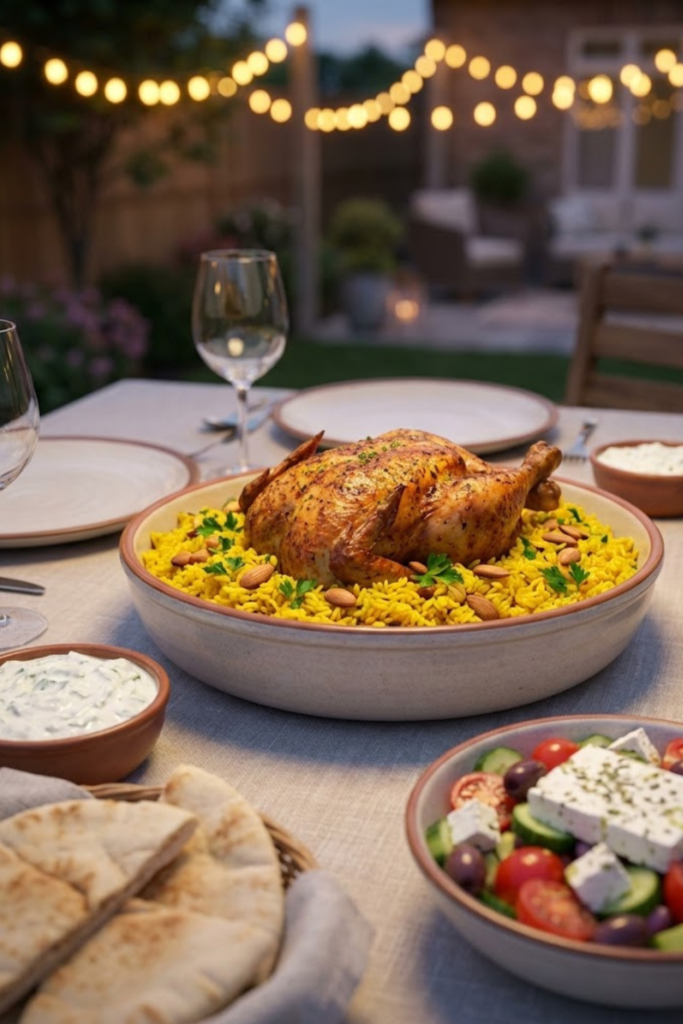
One of the best things about this Beginner Mediterranean Chicken Rice is that it is basically a complete meal in one bowl. You have your protein, your carbs, and plenty of flavor. But if I am being honest, I love a table full of options. It makes dinner feel like a special event, even if it is just a random Tuesday night.
When I first started making this dish for friends, I served it completely plain. It was delicious, but it felt like something was missing. It needed some crunch and some cool temperatures to balance out the hot, savory rice. Over time, I found the perfect partners for this meal.
The Essential Cooling Sauce
You really need a creamy element here. My kids call it the “yummy white sauce,” but the rest of us know it as Tzatziki. I used to buy the pre-made tubs at the grocery store, but I realized they often tasted a bit sour or artificial. Making it at home is cheaper and tastes way fresher.
My big tip here is about the cucumbers. I learned this after making a watery mess of a sauce: you have to squeeze the water out of the grated cucumber before mixing it with the yogurt. If you don’t, your sauce turns into soup. I mix the dry cucumber shreds with plain Greek yogurt, garlic, and lemon. The cold, creamy sauce on top of the hot chicken is just amazing. It helps cool down the bite if you went a little heavy on the black pepper.
Fresh Salads for Crunch
Since the rice dish is soft and comforting, I like a side dish that has a serious snap to it. A classic Greek salad is the way to go. I usually don’t even bother with lettuce.
I just chop up big chunks of cucumber, ripe tomatoes, and red onion. Then I throw in a big block of feta cheese and sprinkle it with dried oregano. The vinegar dressing cuts through the starch of the rice perfectly. It resets your taste buds so every bite of chicken tastes just as good as the first one. Plus, the bright red and green colors look beautiful next to the golden chicken.
Don’t Forget the Bread
I know, I know. We already have rice, so do we really need bread? In my house, the answer is always yes. Warm pita bread is essential for scooping up the extras.
Sometimes, I don’t even use a fork; I just use the pita to grab the chicken and rice. If I have five extra minutes, I warm the pita in a skillet with a tiny drop of olive oil and a pinch of salt. My husband loves using it to wipe the bottom of his bowl clean so he doesn’t miss a single drop of that lemon-chicken juice. It is arguably the best bite of the whole meal.
What to Drink
If it is a weekend, I love a glass of crisp white wine with this. Something dry and acidic, like a Sauvignon Blanc, pairs really well with the lemon flavors in the pot. But most nights, I just do sparkling water with a slice of fresh lemon or lime. It feels a little fancy without the headache the next morning. It keeps things light since the meal itself is pretty filling.
Troubleshooting Common Beginner Mistakes
I want to be real with you for a second. Even though I call this a “beginner” recipe, things can still go sideways. I have definitely had nights where I stood over the stove almost in tears because dinner didn’t look like the picture. It happens to the best of us!
But over the years, I figured out that most “disasters” with this Beginner Mediterranean Chicken Rice are actually pretty easy to fix—or at least easy to avoid next time. You don’t need to order pizza just yet. Here is how I handle the bumps in the road.
Help! The Bottom is Burning
This is probably the most common panic moment. You smell that distinct “toasted” smell turn into “charred.” This usually happens because the heat was just a tiny bit too high during the simmer stage.
If you smell burning, do not stir the pot. I know your instinct is to get a spoon and scrape the bottom, but that just mixes the burnt taste into the good food. Instead, take the pot off the heat immediately. Let it sit for ten minutes. When you serve it, just carefully scoop out the rice from the top and middle, leaving the burnt layer stuck to the bottom. The rest of the food usually tastes fine! Next time, try moving the pot to a smaller burner or using a heat diffuser.
The Rice is Still Crunchy
So the timer went off, the liquid is gone, but the rice is hard in the middle. This happens to me when I am impatient and lift the lid too many times. Every time you peek, you let the heat escape.
Don’t panic. Drizzle about 1/4 cup of hot water or broth over the rice. Put the lid back on tightly and put the heat on the absolute lowest setting for another 5 to 7 minutes. Then, turn it off and let it rest again. The steam usually finishes the job.
My Chicken isn’t Browning
If your chicken looks gray and sad instead of golden brown, you probably overcrowded the pan. I used to try to cram all six thighs in at once to save time. It never works.
When the pieces touch, they steam each other instead of searing. You really need to cook them in batches if your pot isn’t huge. Do three pieces, take them out, then do the other three. It adds maybe five minutes to your cooking time, but the flavor difference is huge.
It Tastes “Blah”
If you take a bite and it just feels boring, you are likely missing salt or acid. I find that people are often scared to salt their food enough.
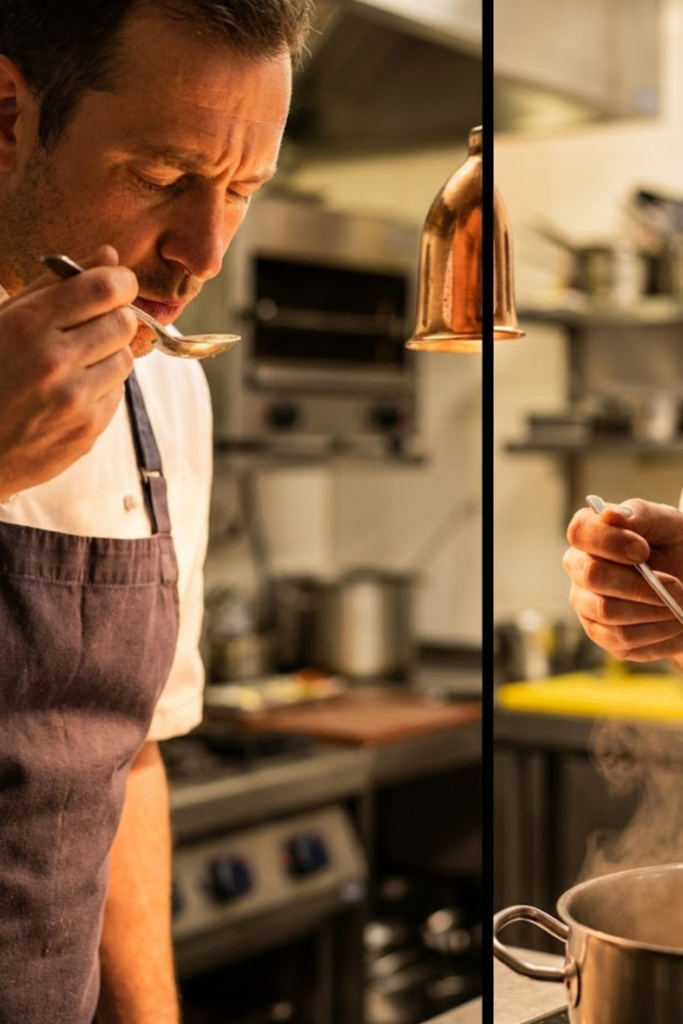
Before you serve, taste a little bit of the rice. If it feels flat, sprinkle a pinch of salt and give it a gentle mix. But usually, the fix is lemon. Squeeze a fresh lemon wedge right over your bowl. That hit of acid wakes up all the other flavors. It is like turning on a light switch in a dark room.
Bringing It All Together
I didn’t grow up eating food like this. My mom’s idea of rice usually came from a microwave pouch, and “Mediterranean” meant frozen pizza with olives on it. So, if I can learn to make this Beginner Mediterranean Chicken Rice, I promise you can too. It has become one of those meals I rely on when I am exhausted after a long day of teaching but still want to feed my family something that isn’t fast food.
It really feels good to put that heavy pot in the middle of the table and watch everyone dig in. My husband usually fights the kids for the crispy chicken skin, and I am just happy that I only have one pot to scrub before bed.
The Best Lunch Leftovers
I have to mention one more thing before I let you go: this dish tastes even better the next day. Seriously.
As a teacher, my lunch break is about 20 minutes on a good day. Having a container of this in the fridge saves me. The flavors from the lemon and oregano seem to soak into the rice overnight. When I reheat it in the microwave at school, the smell makes the whole staff lounge jealous. It beats a sad turkey sandwich any day of the week. So, if you have a small family, don’t worry about making a big batch. You will be glad you have it for lunch tomorrow.
Just Give It a Try
I know trying a new recipe can feel a little scary, especially on a weeknight when everyone is hungry and cranky. You worry about wasting ingredients or messing it up. But this one is forgiving. Even if your rice is a little sticky or your chicken isn’t perfectly brown, it is still going to taste amazing because of those fresh ingredients.
Cooking healthy food doesn’t have to be perfect. It just has to be good enough to get everyone to sit down together. I hope this recipe makes its way into your regular rotation just like it did mine. It really is a life-saver during the school year.
Save This for Later
If you made it this far, you should probably save this recipe so you don’t lose it in the internet void.
I highly recommend pinning the image below to your “Easy Weeknight Dinners” board on Pinterest. That way, next time you are standing in the grocery store wondering what to buy, you can pull it up right on your phone.
Let me know in the comments if you tried it and if you added any extra spices! I am always looking for new ideas.