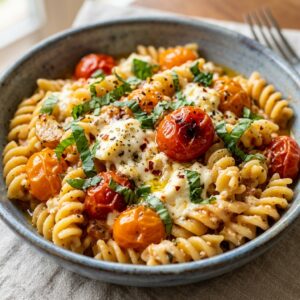
Did you know that 80% of people who try Mediterranean cooking stick with it because it’s so easy and tastes like a vacation? I remember when I first started cooking; I thought roasting vegetables was some kind of dark art that only people with fancy culinary degrees could master. I’d look at a pile of raw squash and feel totally lost, but I soon realized it’s actually the most forgiving way to make a meal. This guide breaks down the Beginner Mediterranean Veggie Bake so you can’t mess it up, even if you’re worried about burning water. It’s all about getting fresh, colorful food on one tray and letting the oven do the heavy lifting for you while you relax.
Essential Ingredients for Your First Veggie Bake
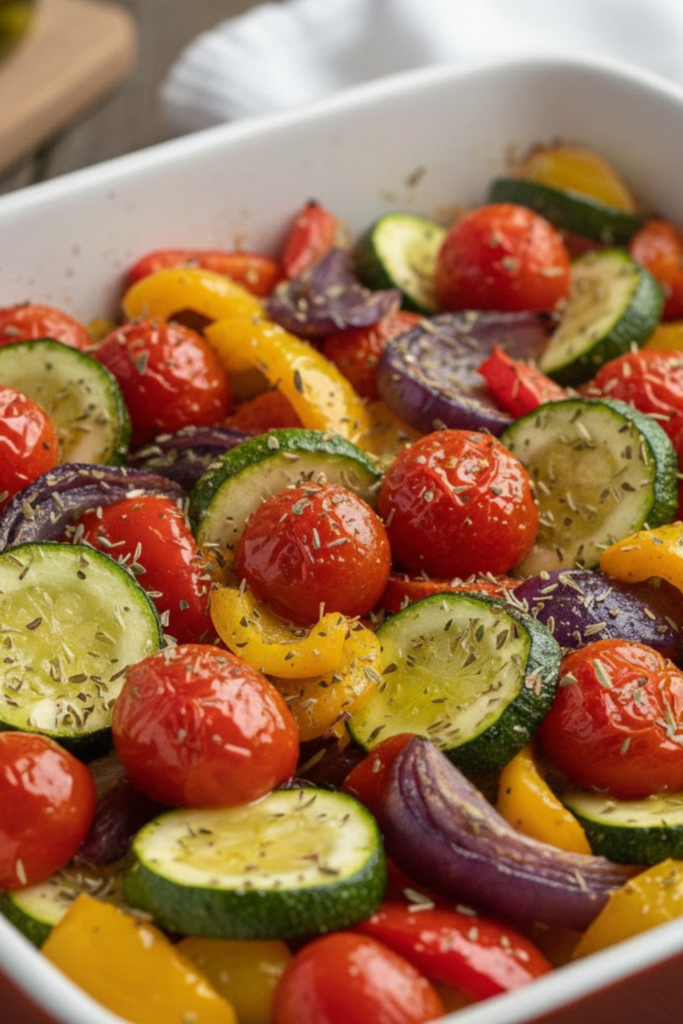
Look, if you’re gonna make a Beginner Mediterranean Veggie Bake, you gotta start with the right stuff. I always tell my students that you can’t build a house with bad bricks, and you can’t make a good dinner with sad vegetables. It’s just how it works.
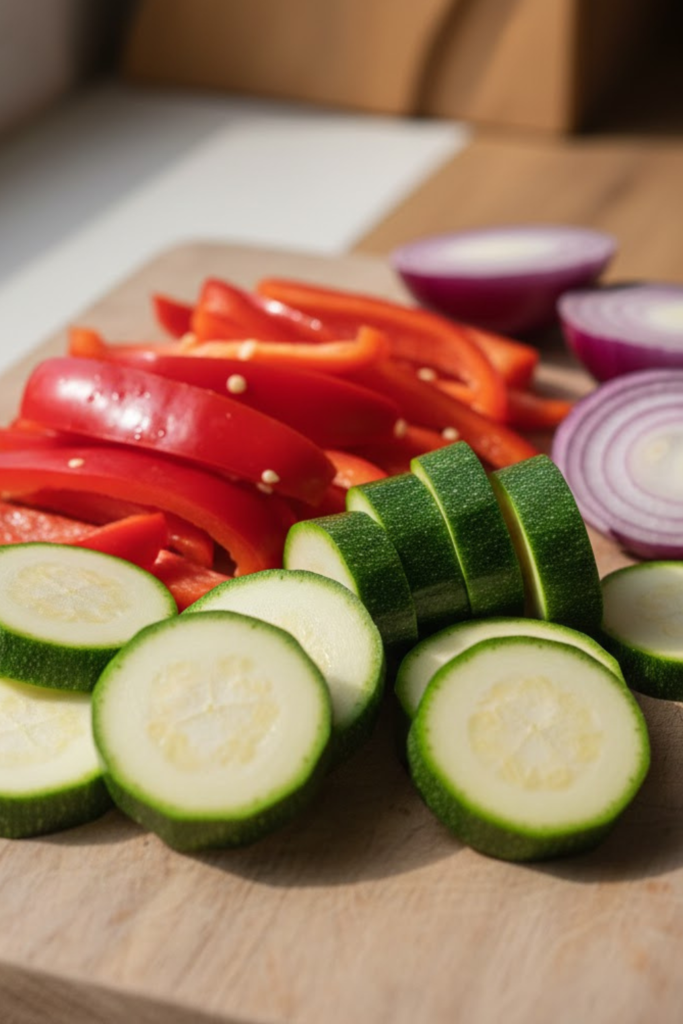
For your first try, I suggest grabbing a couple of zucchinis, a big red onion, and some bell peppers. I like the red or orange peppers because they get real sweet in the heat of the oven. Zucchini is great because it soaks up all the flavor like a sponge. One time, I tried to use frozen veggies because I was being lazy, and let me tell you—it was a total watery mess. Stick to fresh produce from the grocery store!
You also need a good bottle of extra virgin olive oil. Don’t be shy with it. I used to think I could save some calories by using a tiny bit, but the veggies just ended up dry and boring. You want them to look glossy and shiny before they go in the oven. For spices, I just grab some dried oregano and a good pinch of salt. It’s simple, but it tastes just like those little cafes in Greece I’ve seen on travel shows.
I almost forgot about the tomatoes! Throwing in a handful of cherry tomatoes is a total pro move. They pop in the oven and make this delicious little sauce that coats everything else on the tray. It makes the whole thing taste less like a side dish and more like a real meal you’d pay twenty bucks for at a restaurant. Also, think about adding some garlic. If you have fresh garlic, just peel a few cloves and toss them in whole. They get soft and sweet like candy while they roast. If you’re feeling extra lazy, even a little garlic powder from the pantry helps a lot. Just make sure your spices aren’t from five years ago—if they don’t smell like anything anymore, they won’t taste like anything either. Using bright, colorful veggies also makes the plate look so good that you’ll want to take a picture of it before you even eat. It’s funny how a little bit of color can make you feel like a master chef even if it’s only your first week in the kitchen.
If you want to get fancy later, you can add some crumbly feta cheese or maybe a can of chickpeas, but for your first time, just focus on these basics. It’s the easiest way to get a healthy meal on the table without pulling your hair out. Trust me, your family will think you spent hours on it when it really only took a few minutes of chopping!
Simple Step-by-Step Prep for Success
Alright, let’s get into the actual work. Don’t worry, it’s not hard, but there are a few tricks I’ve learned over the years that make a huge difference for your Beginner Mediterranean Veggie Bake.
First off, when you’re cutting your veggies, try to make them all about the same size. I call this the “one-bite rule.” If one chunk of zucchini is huge and another is tiny, the little one will burn before the big one is even warm. I used to just hack away at them, but then I realized my dinner was half-raw and half-burnt. That was a total bummer. Take an extra minute to get those slices even—it really helps everything cook at the same speed.
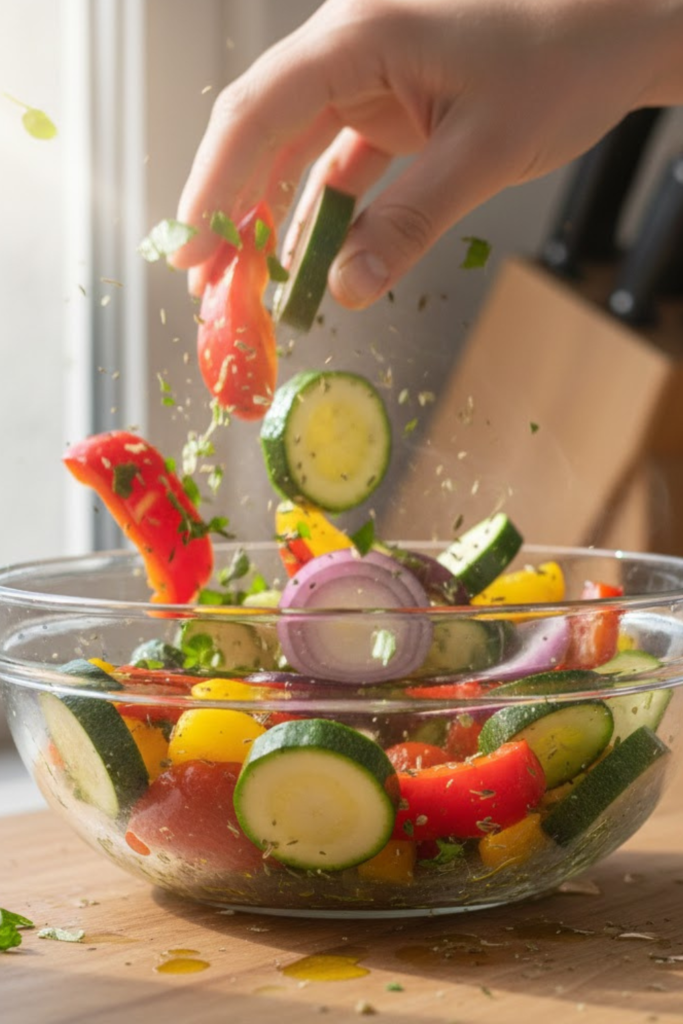
Next is my favorite secret: use a big bowl. I see so many people throw their chopped veggies right onto the tray and then try to pour oil on top. You end up with some pieces swimming in oil and others totally dry. It’s just not a good way to do it. Instead, put all your veggies in a big mixing bowl, pour your olive oil and spices in, and use your hands to toss it all around. You want every single piece of pepper and onion to have a nice coat of oil. It’s a bit messy, but it’s the best way to make sure the flavor gets everywhere.
Finally, pick a big baking sheet. If you pile all the veggies on top of each other, they won’t roast; they’ll just steam. You want them to have some “personal space” on the pan so the hot air can get around them. This is how you get those slightly crispy, brown edges that taste so good. If the pan looks too crowded, just use two pans! It’s better to wash an extra dish than to have a soggy Beginner Mediterranean Veggie Bake. Give them room to breathe, and the oven will do the rest. Just keep an eye on them so they don’t get too dark!
Also, please don’t forget to preheat your oven. I can’t tell you how many times I’ve thrown a tray in while the oven was still cold, and then wondered why dinner took an hour instead of thirty minutes. It needs to be hot—around 400 degrees—to get that nice roast. Another thing I always do is use parchment paper on my trays. It saves me from scrubbing the pan for twenty minutes later, which is a total win in my book. About halfway through the cooking time, give the tray a little shake or use a spatula to flip the veggies. This makes sure they get brown on all sides, not just the bottom. You’ll start to smell the oregano and the roasting onions filling up your kitchen, and that’s when you know you’re doing it right. If you see the edges getting a little dark, don’t worry—that’s just extra flavor! Just keep an eye on it during those last five minutes because things can go from perfect to burnt pretty fast. I usually set a timer on my phone just so I don’t get distracted by the TV and forget my dinner is in there!
Common Mistakes Every Beginner Makes (and How to Avoid Them)
Look, I’ve been teaching people how to cook for a long time, and I’ve seen the same few things trip people up every single time they try a Beginner Mediterranean Veggie Bake. The biggest one? Fear of salt. I see students sprinkle a tiny bit of salt from way up high like they’re afraid of it. But vegetables need salt to bring out their sweetness, especially when they’re roasting. If your bake tastes “meh” or just plain, you probably didn’t use enough salt. Give it a good shake!
Another mistake I see all the time is what I call “the crowded house.” If you try to fit too many veggies on one tray, they won’t get those crispy edges we all love. Instead of roasting, they’ll just steam in their own juices. I remember one time I tried to cook for ten people on one single sheet pan. It was a soggy, gray mess. Now, I tell everyone to use two pans and swap them halfway through. It makes a world of difference.
Lastly, don’t pull them out of the oven too early! A lot of folks get nervous when they see the tips of the onions turning dark. Don’t panic! That’s where the flavor is. You want your Beginner Mediterranean Veggie Bake to have some of those charred, dark brown spots. If the veggies are still firm and pale, they aren’t done yet. Give them another five or ten minutes until they’re soft and have some color. That’s the secret to making a meal that actually tastes like it came from a restaurant.
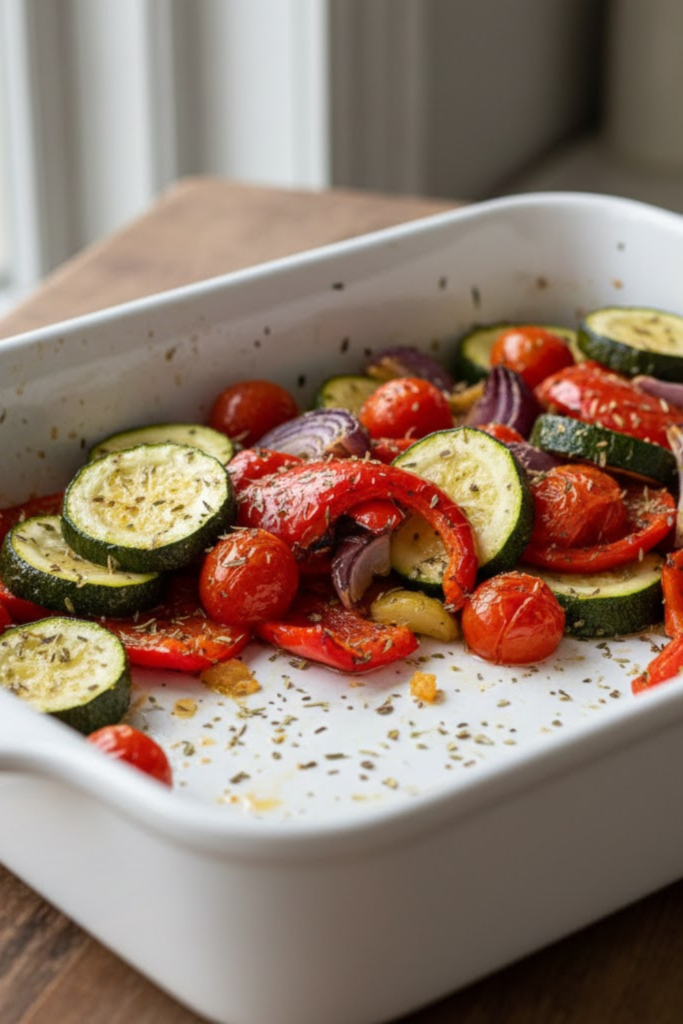
Making a Beginner Mediterranean Veggie Bake is one of the best ways to get comfortable in the kitchen. It’s simple, it’s healthy, and it’s really hard to get wrong if you just follow these basic steps. Remember to chop your veggies evenly, use plenty of oil and salt, and give them enough space to get nice and crispy in the oven. Even if you aren’t a pro yet, this dish will make you feel like one!
I really hope this helps you get a delicious dinner on the table tonight. If you found these tips helpful or if your veggie bake turned out amazing, please save this to your Pinterest boards! It helps other new cooks find these easy recipes, and I’d love to see how yours turned out. Happy cooking!