Honestly, is there anything better than walking into a kitchen that smells like toasted cumin and ginger? It hits you right in the soul! I used to be intimidated by making authentic-tasting curries at home, thinking I needed a thousand different spices or hours of simmering. I was so wrong. This Chickpea Spinach Curry (or Chana Saag, if we’re getting fancy) is my absolute go-to when I want something that tastes like it took all day but actually comes together faster than delivery. It’s creamy, it’s spicy, and it’s incredibly nutrient-dense. Did you know chickpeas are one of the most sustainable protein sources on the planet? We are going to turn these humble ingredients into a bowl of pure gold. Let’s get cooking!
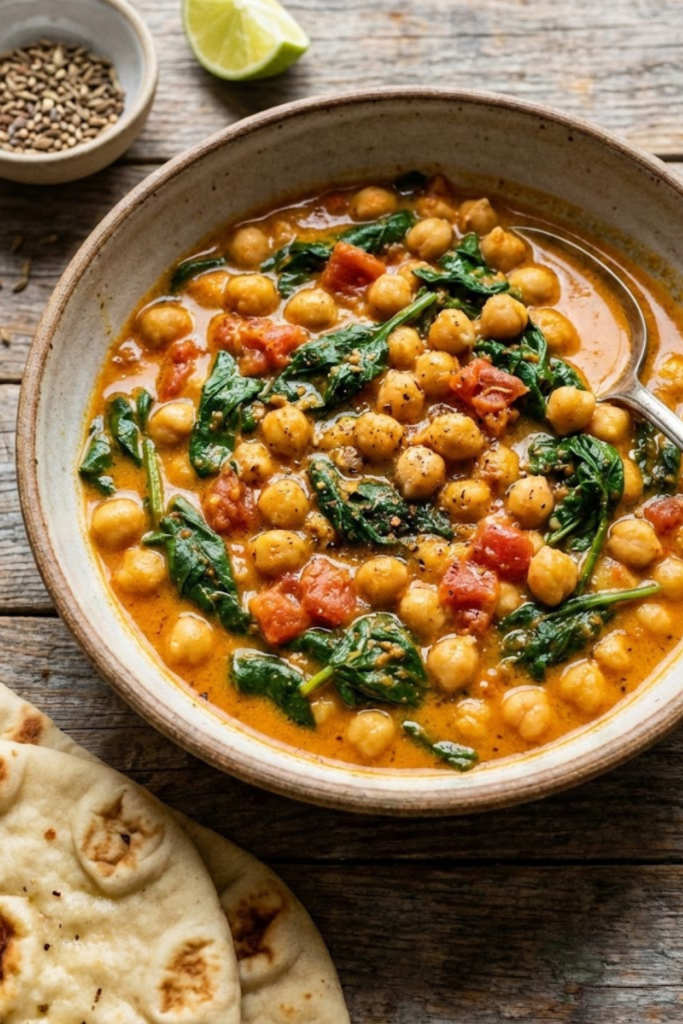
Why This Vegan Chana Saag is a Weeknight Hero
I have to be honest with you. There was a time when the clock hit 5:00 PM, and I would just stare into my pantry like it was a black hole. Total paralysis. I wanted something healthy, but the idea of chopping a mountain of veggies or watching a pot for hours? No thanks. That is exactly why this Chickpea Spinach Curry became my absolute savior. It’s not just food; it’s a strategy for surviving the work week without giving up and ordering greasy takeout again. I learned the hard way that complicating dinner just leads to stress, and we don’t need more of that.
The “One-Pot” Magic Trick
I used to think making authentic-tasting Indian food meant using every single pan in the house. I was so wrong. I remember the first time I tried to make a fancy curry dinner for my partner years ago; the sink was so full of dirty dishes we couldn’t even wash our hands. It was a total disaster, and the food was cold by the time we sat down.
This recipe is different. You literally throw everything into one deep skillet or pot. The onions sizzle, the spices bloom, and the chickpeas simmer all in the same vessel. Less cleanup means you actually get to sit down and relax after eating. Who doesn’t want that? It saves my sanity on Thursday nights when I’m running on empty.
It’s Cheaper Than Your Morning Coffee
Let’s talk money for a second. Groceries are getting expensive. I’m a teacher, so I am always watching the budget. The main stars of this Chickpea Spinach Curry are canned chickpeas and spinach. These are some of the most affordable ingredients you can buy.
I once calculated the cost per serving, and it came out to be less than two dollars. You can feed a whole family for the price of one fancy sandwich. Plus, canned chickpeas are pantry staples. You probably have them sitting in the back of your cupboard right now, gathering dust. It’s a meal that feels luxurious but costs pennies.
Sneaky Nutrition You Actually Want to Eat
I try to eat healthy, I really do. But let’s be real, plain salad makes me sad sometimes. This curry tricks you into eating a ton of fiber and protein. Chickpeas are loaded with plant-based protein that keeps you full for hours.
And the spinach? We all know the struggle of buying a huge bag of spinach and watching it shrink to the size of a golf ball when you cook it. But here, it melts into the sauce, adding iron and vitamins without overpowering the flavor. You get a creamy, rich texture without needing heavy cream. It feels indulgent, but your body actually loves it. It’s a win-win situation.
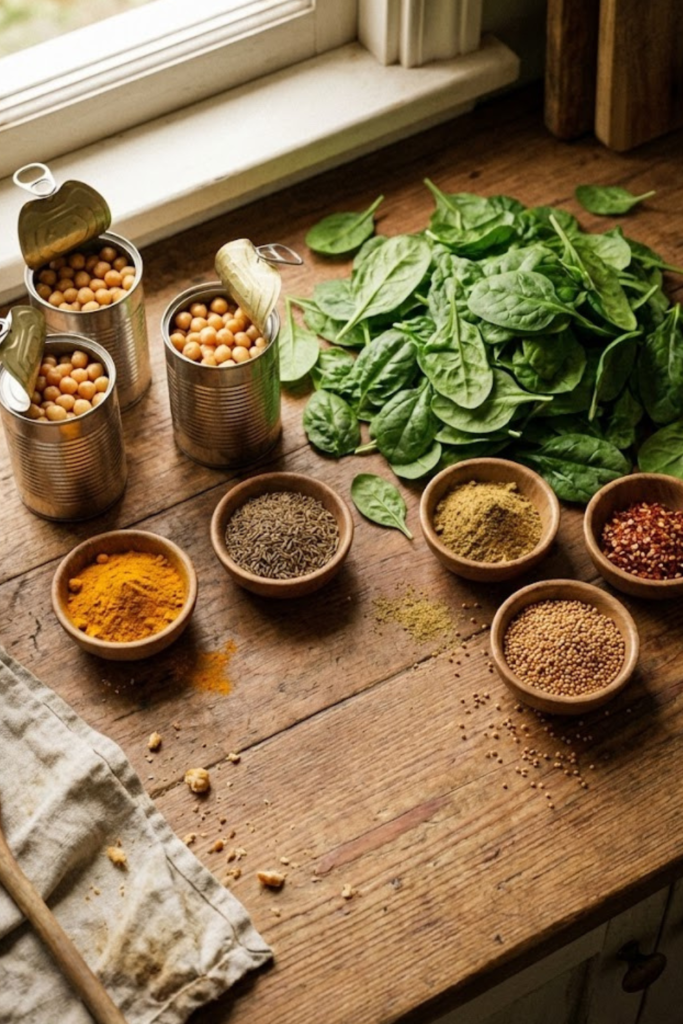
Essential Ingredients for the Perfect Curry Base
You know how some meals just taste “flat”? Like, you eat it and it’s okay, but it doesn’t make you want to do a happy dance? I figured out that the problem usually isn’t the recipe itself; it’s the ingredients we try to swap out to save time. I have definitely been guilty of this. I used to try making curry with just onion powder and garlic salt because I didn’t feel like chopping. Spoiler alert: it tasted like sadness. If you want this Chickpea Spinach Curry to actually taste like the real deal, there are a few things you really can’t compromise on.
The “Holy Trinity” of Flavor
In my kitchen, we don’t start cooking without the big three: onion, garlic, and ginger. This is the foundation of the whole dish. If you leave one out, the whole house of cards falls down.
I remember thinking, “Who has time to peel fresh ginger?” But seriously, buy a little knob of ginger root. It costs like fifty cents. Scrape the skin off with a spoon (a trick a cafeteria lady taught me!) and grate it. The smell alone is worth the extra two minutes. It adds this fresh, spicy kick that powdered ginger just doesn’t have. For the garlic, I honestly use a garlic press because chopping sticky garlic is annoying. But please, don’t use the powder stuff here. We need the moisture and the texture of the real thing to make that thick, yummy gravy.
Canned vs. Fresh: What Actually Matters
Let’s talk tomatoes. I see recipes calling for “fresh, vine-ripened tomatoes,” and I laugh. Unless it is the middle of July and I grew them myself, supermarket tomatoes usually taste like wet cardboard.
For this curry, I always use canned crushed tomatoes. They are picked when they are actually ripe, so they are sweeter and more consistent. Plus, you don’t have to peel them. I am all about shortcuts that actually make the food taste better. The acidity in the canned tomatoes helps cut through the spices so the dish doesn’t feel too heavy. It balances everything out perfectly.
The Secret to Creaminess
Finally, we need to talk about the liquid gold: coconut milk. This is what makes the sauce lush and coats the chickpeas so beautifully.
Here is my strict rule: do not buy the “lite” coconut milk. Just don’t do it. It is basically mostly water, and it won’t give you that rich, restaurant-style thickness. Get the full-fat stuff in the can. When you open it, there should be a thick layer of white cream on top. That is the good stuff! If you are worried about calories, just eat a smaller portion, but don’t ruin the sauce with watery milk. It connects all the spices together and makes the spinach melt in your mouth.
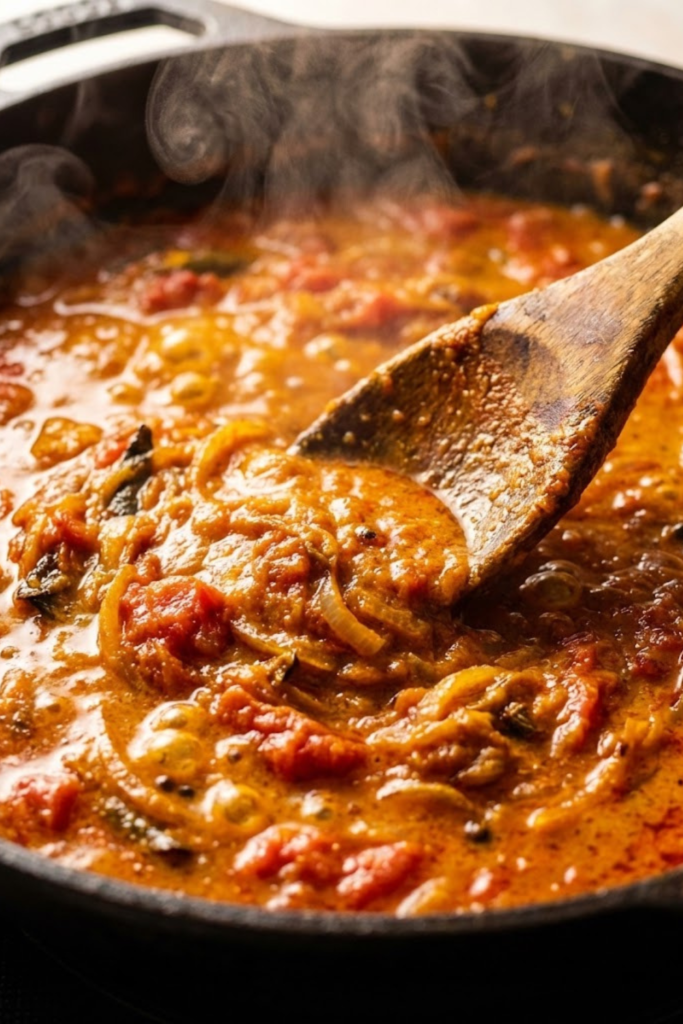
Step-by-Step: How to Make Chickpea Spinach Curry
Okay, class is in session! Just kidding. But seriously, following the steps in the right order is the difference between “yum” and “meh.” I used to just throw ingredients in the pot willy-nilly. My poor kids would eat it, but they didn’t look happy about it. Now I know that Indian cooking is all about building layers. It sounds fancy, but it just means adding things one by one so each flavor gets a chance to shine. It is actually pretty relaxing once you get the hang of it.
First, Wake Up Your Spices
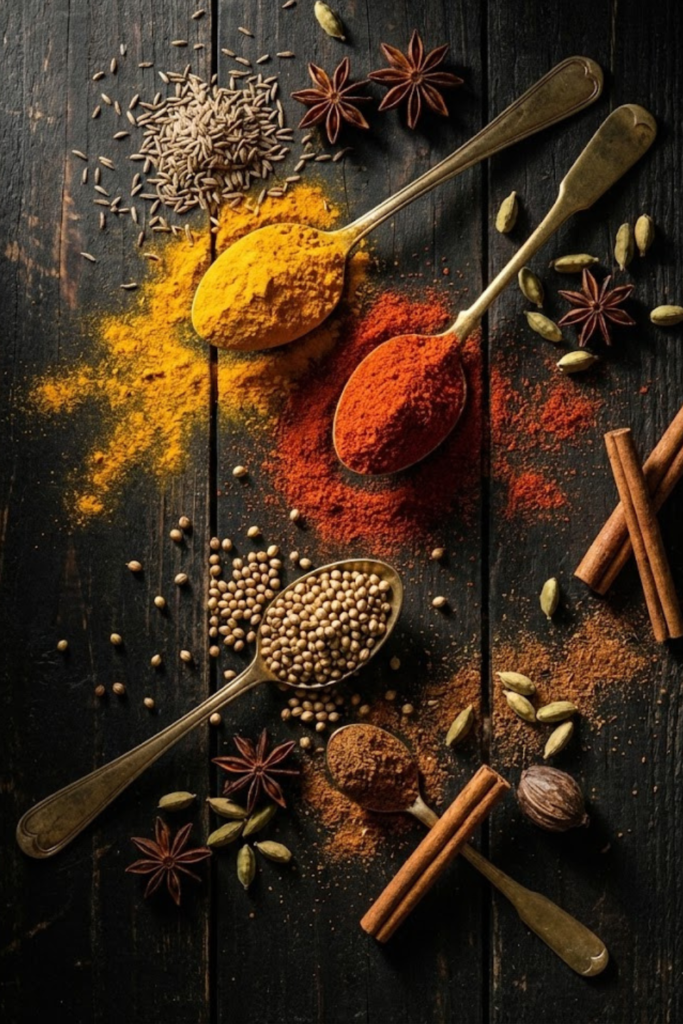
This was the biggest game-changer for me. Before you add any wet stuff, you have to fry the dry spices. I know, it sounds wrong to fry dry powder or seeds, but trust me. Heat up your oil in the pan first. If you are using cumin seeds (which I highly recommend), throw them in. Wait for them to sizzle and pop. It usually takes about 30 seconds.
If you skip this and just boil the spices later, they taste dusty. Yes, dusty is a flavor, and it’s gross. Blooming them in the oil makes them smell amazing. My kitchen starts smelling like my favorite takeout place instantly. Just be careful not to burn them! If they turn black, you have to start over. I learned that the hard way when I got distracted grading papers one night.
The Onion Patience Test
Here is where everyone messes up. I am looking at you! When a recipe says “cook onions for 5 minutes,” they are lying. To get that deep, sweet flavor that makes a curry good, you need to cook those onions until they are actually brown. Not see-through, but brown.
It usually takes me about 10 to 12 minutes on medium heat. I stir them around while listening to a podcast or nagging my kids to do their homework. If you rush this step, your sauce will taste watery and raw. Add your garlic and ginger right at the end of this part so they don’t burn. Burnt garlic tastes bitter and ruins the whole pot.
The Simmer Down
Once the onions are golden and happy, dump in your ground spices, tomatoes, and rinsed chickpeas. Stir it all up to coat everything. Then pour in that creamy coconut milk. This is the easy part. You just let it bubble gently.
I usually let it go for about 15 minutes. You aren’t really “cooking” the chickpeas since they are already cooked in the can, but you are warming them up. You want them to get soft and soak up the sauce. If you taste a chickpea right out of the can, it tastes like nothing. After 15 minutes in the pot, it tastes like magic.
The Green Finale
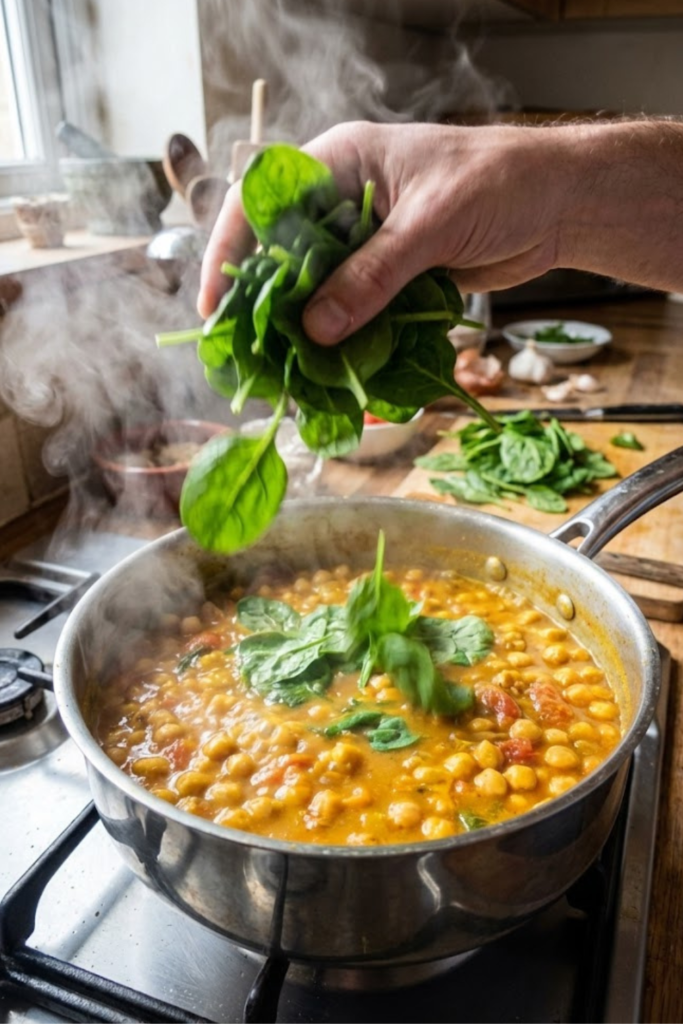
Finally, the spinach. Do not add this until you are essentially done! If you cook spinach for too long, it turns into gray slime. Nobody wants to eat slime. Turn off the heat completely. Throw in the big handfuls of spinach (it will look like too much, but it shrinks) and just stir. The leftover heat from the sauce will cook it perfectly in like two minutes. It stays bright green and looks beautiful on the plate.
Customizing Your Spice Blend for Maximum Flavor
Cooking for a family can sometimes feel like being a short-order cook in a diner where everyone orders the same thing but wants it made differently. My husband loves food that makes him sweat, but my kids? If they see a single flake of red pepper, they act like I am trying to poison them. That is the beauty of making this Chickpea Spinach Curry at home instead of buying a jar of sauce. You are the boss of the flavor profile. You can tweak it to be exactly what you need it to be, whether that is fiery hot or gentle and mild.
controlling the Fire
The heat in this dish usually comes from cayenne pepper or Indian red chili powder. These two are not the same thing! Indian chili powder is often hotter and brighter red. If you are new to this, please be careful. I once used a tablespoon of cayenne instead of paprika by mistake, and we had to order pizza because the curry was inedible.
I always suggest starting with just a quarter teaspoon. You can always add more later, but you can never take it out once it’s in there. If you want a fresh, grassy kind of heat, slice up a fresh green chili pepper (like a serrano or jalapeño). I usually leave the seeds out if I’m cooking for guests, just to be safe. If you like it really mild, you can skip the chili powder entirely and just use black pepper. It will still taste good.
The Magic Dust: Garam Masala
If you look at the spice aisle, you will see a blend called Garam Masala. It literally translates to “hot spice mix,” but “hot” here means warming your body, not burning your tongue. It usually has cinnamon, cloves, and cardamom in it.
Here is the secret I learned from a cooking class: do not add this at the beginning with the other spices. Garam Masala is a “finishing spice.” If you cook it too long, it loses its special aroma. I sprinkle about a teaspoon over the pot right before I turn off the heat. It gives the curry that restaurant-quality smell that wafts through the house. It makes the dish feel cozy and complete.
Why You Need a Squeeze of Lemon
This might sound weird, but bear with me. Rich, creamy sauces like this one (thanks to the coconut milk) can sometimes feel a bit “heavy” on the tongue. They need something to cut through the richness. In cooking terms, we call this balancing the acid.
Right before serving, I squeeze half a fresh lemon into the pot. It doesn’t make the curry taste like lemonade, I promise. It just “wakes up” all the other flavors. If you take a bite and think something is missing but you added plenty of salt, it is almost always acid that you need. If you want to be really authentic, you can buy dried mango powder (amchoor), which gives a sour, tangy kick, but lemon juice works just fine for a weeknight dinner.
Don’t Waste the Cilantro Stems
I know cilantro is controversial. Some people think it tastes like soap (I feel bad for you if you have that gene!). But if you love it, don’t just use the pretty leaves. The stems actually have way more flavor than the leaves do.
I chop the stems up really small and sauté them right in the beginning with the onions and garlic. Then, I save the leafy parts to sprinkle on top at the end for color. It adds a fresh, herbal layer that dries spices just can’t copy. If you hate cilantro, fresh parsley is a decent swap, though it changes the vibe a little.
Serving Suggestions: What to Eat with Indian Curry
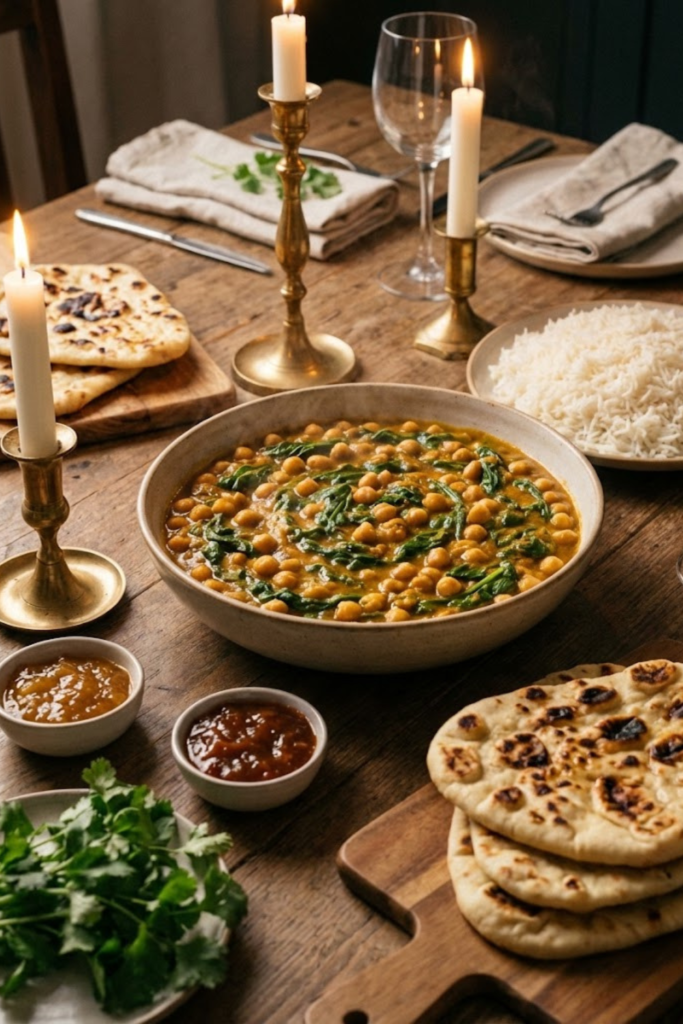
You know, sometimes I just stand at the stove and eat this Chickpea Spinach Curry straight out of the pot with a spoon. No shame in my game! But if I am actually trying to be a civilized human being and serve dinner to my family, I realized that the sides are just as important as the main dish. The curry is the star, obviously, but the supporting actors are what make the movie good. Without something to soak up that delicious sauce, you are kind of missing the point. Plus, having a few bowls of different things on the table makes a regular Tuesday night feel like a mini celebration, which we all need.
The Right Kind of Rice Matters
Please, I am begging you, do not serve this with that sticky instant rice if you can help it. Indian curries need Basmati rice. It is that long, skinny grain that smells like popcorn when it cooks. It’s fluffy and doesn’t stick together in a gloop.
My big tip here—and I learned this from a YouTube video that changed my life—is that you have to wash the rice. Put it in a bowl with cold water and swish it around with your hand. The water will look cloudy and white. Drain it and do it again. I usually do it three times until the water is mostly clear. This gets rid of the extra starch so your rice comes out separate and perfect. If you want to be fancy, fry some cumin seeds in a little butter before adding the rice and water. We call that “Jeera Rice,” and it makes me feel like a professional chef.
Bread for Scooping
In my house, utensils are optional for this meal. Traditionally, you use bread to scoop up the chickpeas and spinach. My kids think this is the coolest thing ever because they get to play with their food.
Naan is the classic choice. It’s that puffy, bubbly flatbread. I am going to be real with you—I do not make my own naan from scratch. I tried once, and it was hard as a rock. I buy the frozen garlic naan from Trader Joe’s or the grocery store. I just pop it in the oven or toaster for a minute to get it warm. If you want a healthier option, whole wheat Roti or Chapati is good too, but let’s be honest, the buttery garlic naan is what we all want. It soaks up the coconut sauce better than anything else.
Something Cool to Balance the Heat
Even if I make the curry mild, sometimes the spices can build up on your tongue. That is why you need something cold and creamy on the side. In Indian cuisine, this is called Raita. It is basically just yogurt with stuff in it.
I make a super quick version. I take a cup of plain yogurt (Greek yogurt works fine if that is what you have) and mix in some grated cucumber. Important step: squeeze the water out of the cucumber first, or your yogurt gets watery. Add a pinch of salt and maybe a little roasted cumin powder. It is so refreshing! It acts like a fire extinguisher if you accidentally bit into a chili pepper. Plus, the contrast between the hot, spicy curry and the cold, tangy yogurt is just chef’s kiss.
Drinks to Wash it Down
If you are going all out, you can make a Mango Lassi. It’s basically a mango milkshake made with yogurt. I buy the canned mango pulp from the international aisle because fresh mangoes are a pain to peel. Blend it with yogurt, a little milk, and sugar. It is super sweet and rich, so it’s almost like dessert. But honestly? Most nights we just drink ice water or maybe a cold beer. A crisp, light beer cuts through the rich coconut milk really well. Whatever you choose, just make sure you have plenty of it because this curry will make you thirsty in the best way possible.
Putting It All Together
We have covered a lot of ground today, haven’t we? I hope by now you are feeling a little less scared of making your own Indian food at home. I know I used to look at those long ingredient lists and just want to run away. But really, this Chickpea Spinach Curry is just a big bowl of comfort that happens to be good for you. It’s one of those meals that makes you feel like you really accomplished something, even if the rest of your day was a total mess. And let’s be honest, we all have those days where we just need a win in the kitchen.
The Magic of Leftovers
I have to tell you a secret: I almost like this curry better the next day. It is one of those magical dishes where the flavors sit and get to know each other overnight in the fridge. The spices soak deeper into the chickpeas, and the sauce gets even thicker.
If you are meal prepping for the week, this is a goldmine. I usually double the recipe on Sunday night. It keeps really well in an airtight container for about four or five days. I just scoop some into a bowl, zap it in the microwave, and boom—lunch is sorted. It beats a sad, soggy sandwich any day of the week. Just make sure to heat it up until it is piping hot; the smell alone will make your coworkers jealous (or hungry).
Freezing for Emergencies
Can you freeze it? Absolutely. I am a big fan of the “future me” philosophy. “Future me” is going to be tired and not want to cook. So, “present me” freezes half the batch.
It freezes great for up to three months. The only thing to watch out for is the texture of the coconut milk. Sometimes it can separate a tiny bit when it thaws, but don’t panic. Just give it a really good stir while you reheat it, and it comes right back together. I freeze it in those flat freezer bags to save space. I label them with the date because, knowing me, I will forget what it is and think it is chili.
Give It a Try Tonight
So, what are you waiting for? You probably have most of these ingredients in your pantry right now. Grab that can of chickpeas, chop up an onion, and get that pot going. Cooking doesn’t have to be perfect to be delicious. If you burn the onions a little? Whatever. If you add too much spinach? It’s fine. It’s homemade, and that is what matters.
I would love to see how yours turns out! If you make it, take a picture before you devour it.
Don’t forget to save this recipe! Pin it to your “Vegan Dinners” or “Healthy Weeknight Meals” board on Pinterest so you can find it whenever the craving strikes.