I once read that gardeners are the only people who actually dread a high-yield season because of the literal mountains of squash they have to deal with!” If your counter looks like a green and red grocery store aisle, don’t panic. I’ve been there, staring at five pounds of squash wondering how much more “zoodle” I can take. This Zucchini Tomato Bake is the answer! It’s the perfect blend of juicy garden tomatoes, tender zucchini, and a crispy, cheesy topping that makes even the veggie-skeptics in my house reach for seconds. Whether you’re a pro in the kitchen or just trying to use up your harvest, this recipe is a total game-changer for 2026 summer dining.
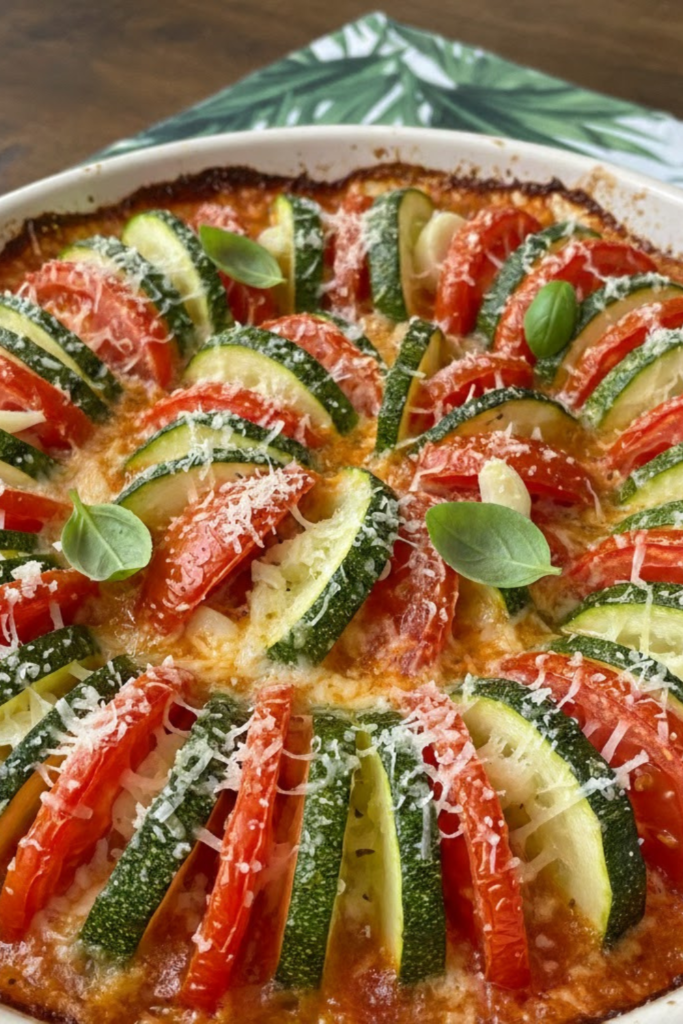
Choosing the Best Produce for Your Bake
I’ve also noticed that the color of the skin on the zucchini can tell you a lot about how it’s going to taste. I look for a deep, vibrant green with no soft spots or nicks. If the skin looks dull or slightly wrinkled, it’s already starting to dry out inside, and that’s when you get that “woody” texture that nobody likes. I usually give them a gentle squeeze at the store; they should feel heavy for their size and totally solid. If they feel a bit flexible or rubbery, put them back and keep looking!
For the tomatoes, I try to find ones that are still firm enough to slice cleanly. If they are too soft, they just turn into mush the second the knife touches them. I like to leave my Roma tomatoes on the counter for a day or two before I use them so they get that bright red color, but I never let them get overripe. Another little trick is to check the smell at the stem end—if it smells like a fresh garden, you know you’ve got a winner.
I’ve also started adding a bit of yellow summer squash into the mix lately just to brighten things up. It has a slightly sweeter flavor than the green zucchini and makes the whole dish look much more colorful. When you’re picking those out, follow the same rule: keep them small! The skin on yellow squash is even thinner and more delicate, so it bruises easily. I try to handle them like eggs so they stay pretty for the bake.
Also, don’t overlook your garlic. Using fresh cloves that you mince yourself is so much better than the stuff that comes pre-chopped in a jar. The jarred stuff has a weird metallic aftertaste that can really ruin the delicate flavor of the summer veggies. It only takes a minute to peel a few fresh cloves, and the punch of flavor it gives the oil and the crust is worth every second of effort. When you get all these little details right, you aren’t just making a side dish; you’re making something people will actually remember.
Lastly, I always check the skin thickness of my vegetables. A thick skin on an overgrown zucchini can turn bitter when it cooks, which totally clashes with the sweetness of the tomatoes. That’s why picking young, “immature” vegetables is your best bet in the kitchen. If you grow your own, pick them early in the morning while they are still full of the night’s dew; that’s when they are the crispest. Once you’re back in the kitchen, make sure to use a very sharp knife. A dull blade will just crush the vegetable fibers and make them bleed juice before they even hit the pan. You want those juices to stay inside until the heat of the oven turns them into a delicious, concentrated syrup that coats the bottom of the dish.

My Secret Trick for Avoiding a Soggy Casserole
I’ve found that another way to beat the moisture is to be careful with how you handle the tomatoes too. Just like the zucchini, tomatoes are basically water balloons, so I usually give them a quick squeeze over the sink or remove the extra watery seeds before I start slicing. It might seem like you’re losing flavor, but you’re actually concentrating it so the bake tastes more like a rich sauce and less like flavored water.
When it’s time to put it all in the pan, I use a shallow ceramic dish rather than a deep one. A deep dish traps all that steam at the bottom, which is exactly what we’re trying to avoid! If you use a wider, shallower pan, more of the vegetable surface is exposed to the hot air, which helps everything crisp up beautifully. I also leave a little space between the edges of the pan and the veggies so the heat can really circulate.
One more thing I do is avoid covering the dish with foil. I know some people like to cover it to keep the cheese from browning too fast, but that just turns your oven into a steamer. If you’re worried about the top getting too dark, just wait until the last 15 minutes of baking to add the cheese. This gives the zucchini plenty of time to release its steam and firm up first. It took me a lot of soggy dinners to figure these little steps out, but now my bakes come out perfect every time, with no “puddles” in sight. Even the leftovers the next day stay nice and firm instead of turning into a mushy mess!
Another trick I use is to pre-heat the baking dish itself in the oven for a few minutes before adding the veggies. When those salted zucchini slices hit the hot ceramic, you can almost hear them start to sear, which seals the outside and keeps the insides from turning to mush. I also make sure I don’t crowd the slices too much; a little breathing room between the layers goes a long way. If you notice a little bit of liquid at the bottom halfway through, don’t be afraid to carefully use a turkey baster or a spoon to tip the dish and drain it out. It sounds like extra work, but it really makes the difference between a side dish and a soggy disaster.
I’ve also noticed that the type of salt you use matters for drawing out the water. I prefer a coarse sea salt because the larger grains sit on the surface better and don’t just disappear into the vegetable. If you find your bake is still a bit wet, try adding a tablespoon of plain breadcrumbs to the very bottom of the dish before you layer anything. They act like a tiny sponge, soaking up those last few drops of juice and turning them into a tasty, thick base. Finally, let the dish sit on the counter for about five or ten minutes after it comes out of the oven. This “resting time” lets the natural starches in the vegetables settle and reabsorb any remaining steam. It’s the hardest part because the kitchen smells so good, but waiting just a few minutes keeps the slices intact when you serve them. Just think of it as the final step to earning that perfect, non-soggy result you’ve been working for!
Cheesy Toppings and Flavor Boosters
One trick I’ve picked up over the years is to mix the cheese and crumbs in a small bowl before you ever touch the casserole dish. This makes sure the garlic and butter are spread out evenly so you don’t end up with one bite that is way too salty and another that is just plain bread. I also like to add a tiny pinch of dried parsley or even some fresh thyme to the mix because it makes the top look like it came straight out of a fancy bistro.
If you really want to level up the flavor, try using a smoked provolone instead of mozzarella. It gives the whole bake a deep, savory taste that pairs perfectly with the sweetness of the roasted tomatoes. Sometimes I even throw in a handful of crushed red pepper flakes if I know the kids aren’t looking, just to give it a little warmth. Whatever you do, don’t be stingy with the topping; it’s the protective layer that keeps the zucchini from drying out while it’s in the hot oven. I usually make a little extra topping just in case there are any “bald spots” on the veggies that need covering!
Another thing to try: if you have some old bread hanging around, don’t throw it out. You can pulse it in a blender for a second to replace the Panko. These jagged, uneven bread pieces create little peaks that toast faster than the rest, giving you all sorts of different textures in every bite. It’s these small, simple details that make people ask for the recipe every single time. Don’t forget to lightly press the crust down with the back of a spoon so it sticks to the veggies and doesn’t just fall off when you try to serve it.
Also, keep an eye on the color during the last five minutes of baking. If you notice the cheese isn’t as brown as you’d like, you can switch the oven to broil for just sixty seconds. But stay right there and watch it! It goes from perfect to burnt faster than you can grab an oven mitt. That extra bit of heat bubbles the cheese and turns the garlic bits into little flavor bombs that really make the dish stand out.
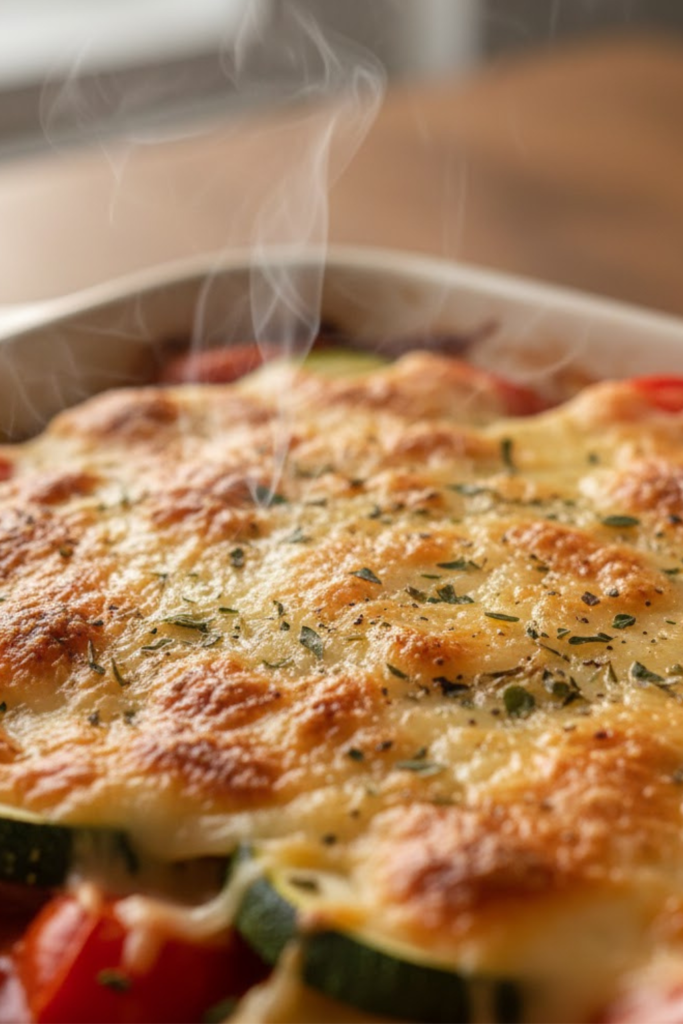
I really hope you give this Zucchini Tomato Bake a try the next time your garden (or the grocery store) is overflowing with summer veggies. It’s one of those rare dishes that feels like a warm hug but doesn’t leave you feeling heavy or sluggish afterward. Every time I pull this out of the oven and see that bubbling cheese and smell the roasted garlic, I’m reminded that the best meals are usually the simplest ones.
Whether you’re serving this alongside some grilled chicken or just eating a big bowl of it for a light lunch, it’s bound to become a staple in your house just like it did in mine. Don’t let those zucchinis go to waste—turn them into something your whole family will actually ask for!
If you enjoyed this recipe, please save it and share it on Pinterest so other home cooks can find it too!